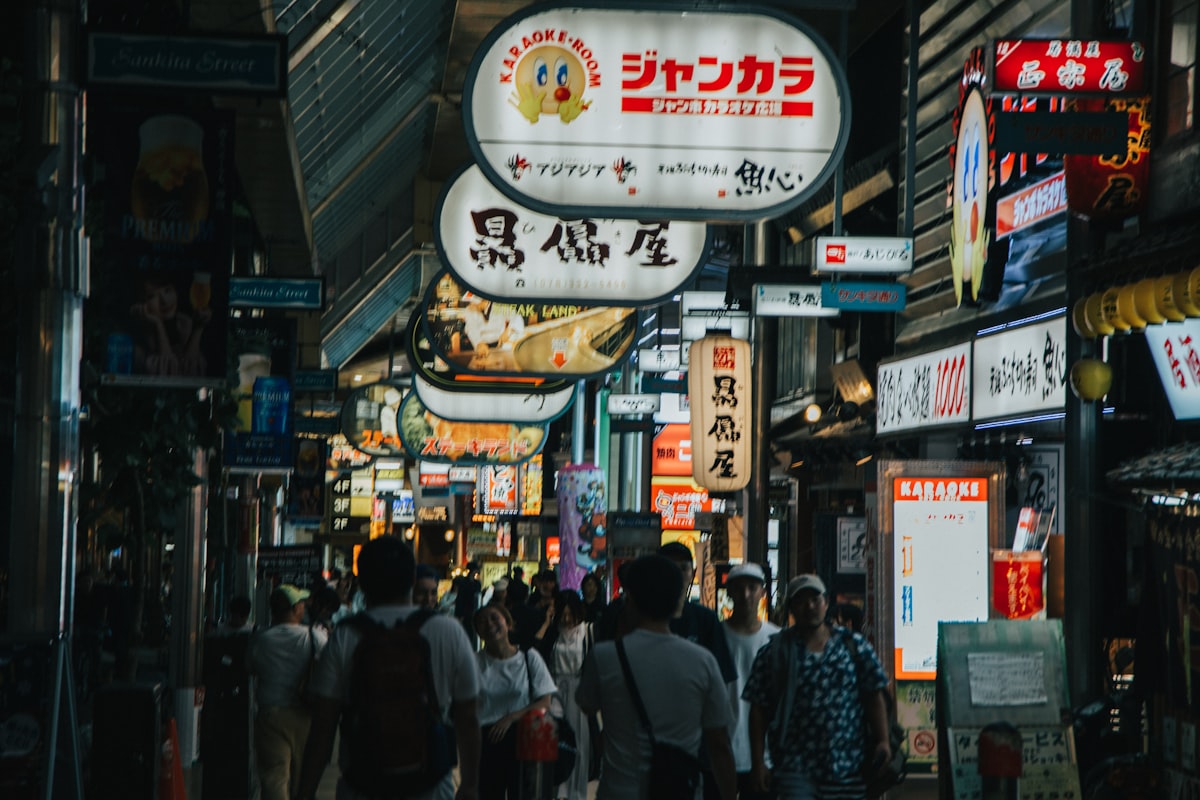
Tokyo 7-Day Itinerary: The Ultimate Guide to Japan's Capital
From neon-lit Shinjuku to ancient Asakusa, explore Tokyo's iconic districts plus day trips to Nikko and Kamakura
✈ Plan My Own Trip — Free7
Days
44
Spots
¥75k
Est. budget
Relaxed pace · suitable for all fitness levels
Top Spots: Tokyo Metropolitan Government Building Observatory · Shinjuku Gyoen National Garden Stroll · Meiji Jingu Shrine
Stays: Shinjuku 6N → Narita International Airport 1N
Estimated Cost per Person
¥131kAccommodation based on ¥8,000–20,000/night est. Actual costs vary.
Popular Japan itineraries get booked up fast — confirm your hotels early for the best prices.
Day-by-Day Itinerary
Stay: Shinjuku
6
Spots
~4 km
Walking
1h 30m
Transit
¥20,000
Est. spend
Arrival at Narita/Haneda Airport & Transfer to Shinjuku
Clear customs and immigration, collect luggage, and board the Narita Express (N'EX) or Haneda Airport Line direct to Shinjuku Station. The journey takes approximately 55–90 minutes depending on origin airport.
Tamagoyaki Set at Tsukiji Shijo Kafe, Shinjuku
Start the trip right with a classic Tokyo breakfast: a fluffy rolled tamagoyaki (sweet Japanese omelette) served with rice, miso soup, pickles, and grilled salmon at a neighbourhood teishoku diner.
Tokyo Metropolitan Government Building Observatory
Ride the free elevator to the 45th-floor observation deck for a sweeping 360-degree panorama of Tokyo — on clear days you can see Mount Fuji to the west. A perfect orientation for first-time visitors.
Shinjuku Gyoen National Garden Stroll
Wander through one of Tokyo's most beautiful parks, which blends French formal, English landscape, and traditional Japanese garden styles across 58 hectares. A peaceful contrast to the surrounding urban energy.
Tsukemen (Dipping Ramen) at Fuunji, Shinjuku
Fuunji is legendary for its tori-paitan tsukemen — thick wheat noodles served cold alongside a rich, concentrated chicken-based dipping broth. Queue at the door; the line moves quickly and is absolutely worth it.
Shinjuku East Side & Kabukicho Walk
Explore the east exit of Shinjuku Station: browse Takashimaya Times Square, stroll through the Kabukicho entertainment district, and find Godzilla's head peeking out from the Toho Cinema building on Kabukicho Square.
Yakitori Dinner at Omoide Yokocho (Memory Lane)
Duck into the narrow, smoke-filled alleyways behind Shinjuku's west exit for grilled skewers of chicken — thigh, skin, heart, and gizzard — basted in tare sauce and cooked over bincho charcoal. Order tsukune (chicken meatballs) and wash it down with chilled draft beer.
Check in to Shinjuku hotel & evening rest
Settle into your Shinjuku-area hotel, unpack, and recover from the flight. Shinjuku is an ideal base — central, well-connected by metro in every direction, and full of convenience stores for late-night snacks.
Hotels for all budgets · From ¥8,000/night · Free cancellation
Estimated Trip Cost
Per person · excludes hotels & international flights
Accommodation not included — prices vary by hotel and season
Your Hotel Bookings
Book your accommodation for each area — dates pre-calculated from your itinerary. Free cancellation on most hotels.
Don't forget travel insurance
Frequently Asked Questions
Is 7 days enough to see Tokyo?
Seven days gives you a solid overview of Tokyo's major districts — Shinjuku, Shibuya, Harajuku, Akihabara, Asakusa — plus two rewarding day trips to Nikko and Kamakura. You won't see everything, but you'll leave with a deep impression of the city's range.
What is the best way to get around Tokyo?
Tokyo's metro and JR rail network is world-class. Buy a Suica or Pasmo IC card at the airport on arrival and top it up as needed — it works on virtually all trains, subways, and many buses. For day trips, a 1-day or 2-day JR Pass add-on or point-to-point shinkansen tickets work well.
When is the best time to visit Tokyo?
Spring (late March–April) for cherry blossoms and autumn (October–November) for fall foliage are the most popular and scenic times. Summer (June–August) is hot and humid with typhoon risk; winter is mild and clear with fewer crowds and lower hotel rates.
How much does a 7-day trip to Tokyo cost on average?
A 7-day Tokyo trip typically costs between $1,500–$3,500 per person (excluding flights), depending on your travel style. Budget travelers spending around $80–$120/day can cover a hostel or capsule hotel, convenience store meals, and transit. Mid-range travelers should budget $150–$250/day for a decent hotel in Shinjuku or Shibuya, restaurant meals, and day trips. Key fixed costs include a 7-Day Tokyo Metro Pass (~$18), a Suica card for buses and JR lines, and entrance fees for spots like teamLab Borderless (~$30) or the Tokyo Skytree (~$20). Accommodation is your biggest variable — book early to lock in better rates. Browse vetted Tokyo hotels for every budget at /stay/tokyo.
Is the JR Pass worth it for a 7-day Tokyo-only trip?
No — if you are staying exclusively in Tokyo for all 7 days, the JR Pass is almost certainly not worth it. The 7-day JR Pass costs around $280, but within Tokyo you will primarily use the Tokyo Metro, Toei Subway, and occasional JR Yamanote Line rides, which are far cheaper on a pay-per-ride Suica card or a Tokyo Metro 72-hour pass (~$13). The JR Pass only pays off if you are taking Shinkansen bullet trains to Kyoto, Osaka, or other cities. Save the money and put it toward experiences or a better-located hotel — see accommodation options at /stay/tokyo.
What is the best area to stay in Tokyo for a 7-day itinerary?
For a 7-day Tokyo itinerary, Shinjuku and Shibuya are the top picks for most travelers. Shinjuku puts you on the JR Yamanote Line with direct access to Harajuku, Akihabara, and Ueno, plus Narita/Haneda bus connections. Shibuya is ideal if you want a younger, trendier base near Daikanyama and Ebisu. If you prefer a quieter, more traditional atmosphere, consider Asakusa — it keeps you close to Senso-ji, Tokyo Skytree, and the old shitamachi neighborhood vibe. For business-style comfort with great transit links, Ginza or Marunouchi work well too. Compare locations and find the right fit for your itinerary at /stay/tokyo.
What should I pack for 7 days in Tokyo?
Pack light — Tokyo's convenience stores (konbini) and 100-yen shops mean you can buy most forgotten essentials cheaply. Key items specific to a Tokyo trip include: a portable IC card wallet or phone case for your Suica card, a small day-pack for temple visits and shopping hauls, a power bank (you will use Google Maps constantly), and comfortable walking shoes since 20,000+ daily steps are normal. Bring layers regardless of season — summer is humid and hot, while winter mornings are cold. A lightweight packable rain jacket is useful year-round. If you are visiting in cherry blossom season (late March–April) or autumn foliage season (November), book accommodation well in advance as hotels fill fast — check availability at /stay/tokyo.
When should I book hotels for this 7-day Tokyo trip?
For Tokyo, we recommend booking at least 3–4 weeks in advance for regular travel periods, and 6–8 weeks ahead during peak seasons (cherry blossom in March–April, Golden Week in late April–May, and autumn leaves in October–November). This itinerary is calibrated for mid-range accommodation (¥8,000–20,000/night), which is widely available in Tokyo — but the best properties at this price point book out quickly.
Want a personalized Tokyo itinerary?
Tell us your travel dates, budget and interests — our free AI trip planner builds a custom day-by-day plan in seconds.
Try Our Free AI Trip Planner →Why Plan with JapanFlow
117+ curated itineraries
Expert-crafted Japan travel plans
AI-powered planning
Custom itineraries in under 30 seconds
Free to use
No account or credit card required
Japan specialist
Local insights for every region
Hotels in Tokyo
powered by AgodaThings to Do in Tokyo
powered by KlookWHERE TO STAY
Best areas to stay in Tokyo →RECOMMENDED STAYS
Accommodation based on ¥8,000–20,000/night est. Actual costs vary.
More Japan Itineraries
Similar trips tailored to different durations and budgets
Share this itinerary
Plan Your Custom Japan Trip
Get a personalized day-by-day itinerary with AI in seconds — free
Try the Free Trip Planner