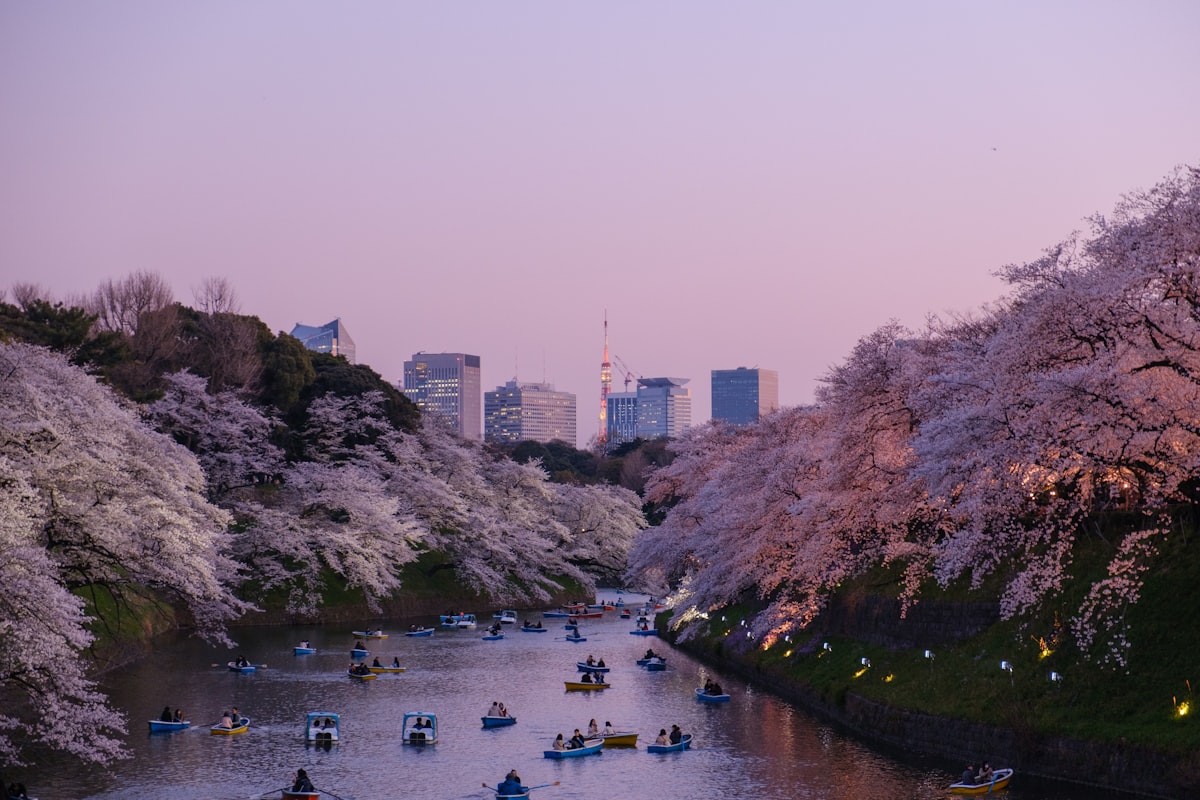
Best Time to Visit Japan
Month-by-month guide for 2026–2027
Japan is a four-season destination unlike almost anywhere else on Earth. Each season offers something completely different — cherry blossoms in spring, lively festivals in summer, crimson maples in autumn, and peaceful snow-dusted temples in winter. The "best" time depends entirely on your priorities: scenery, budget, crowds, or a specific event.
This guide breaks down every month so you can find the perfect window for your trip.
Seasons at a Glance
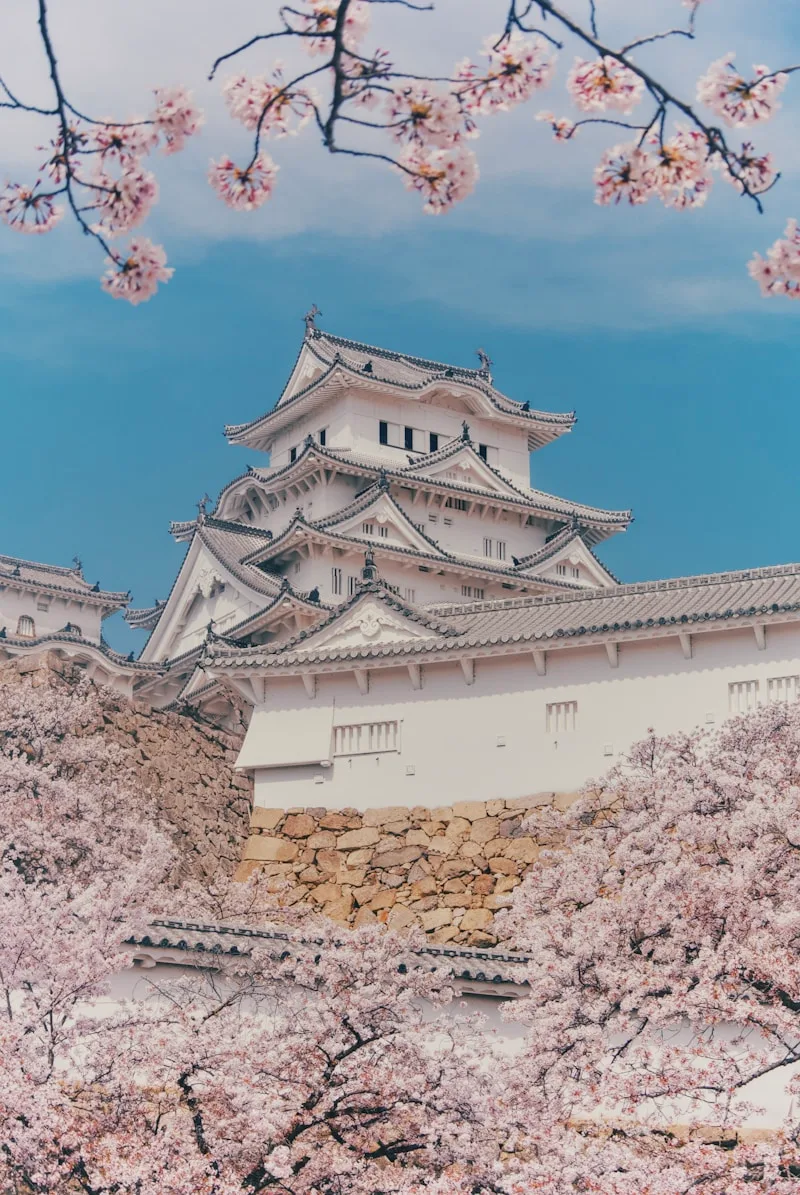
Spring — Cherry Blossom Season
Late March – Early May
Best for: First-time visitors, romance, photography
Cherry blossoms (sakura) transform Japan into a sea of pink. The Somei Yoshino variety blooms for just 1–2 weeks, creating a powerful sense of impermanence (mono no aware) that Japanese culture cherishes deeply. Parks fill with hanami (flower-viewing) picnics, street food vendors, and the gentle pink snowfall of falling petals.
Pros
- ✓ Iconic scenery unlike anywhere on Earth
- ✓ Warm, comfortable temperatures
- ✓ Festivals and events everywhere
- ✓ Perfect for photos at every turn
Cons
- ✗ Hotels sell out months in advance
- ✗ Peak prices (30–60% above average)
- ✗ Famous sites are very crowded
- ✗ Blooms last only 7–14 days — timing is tricky
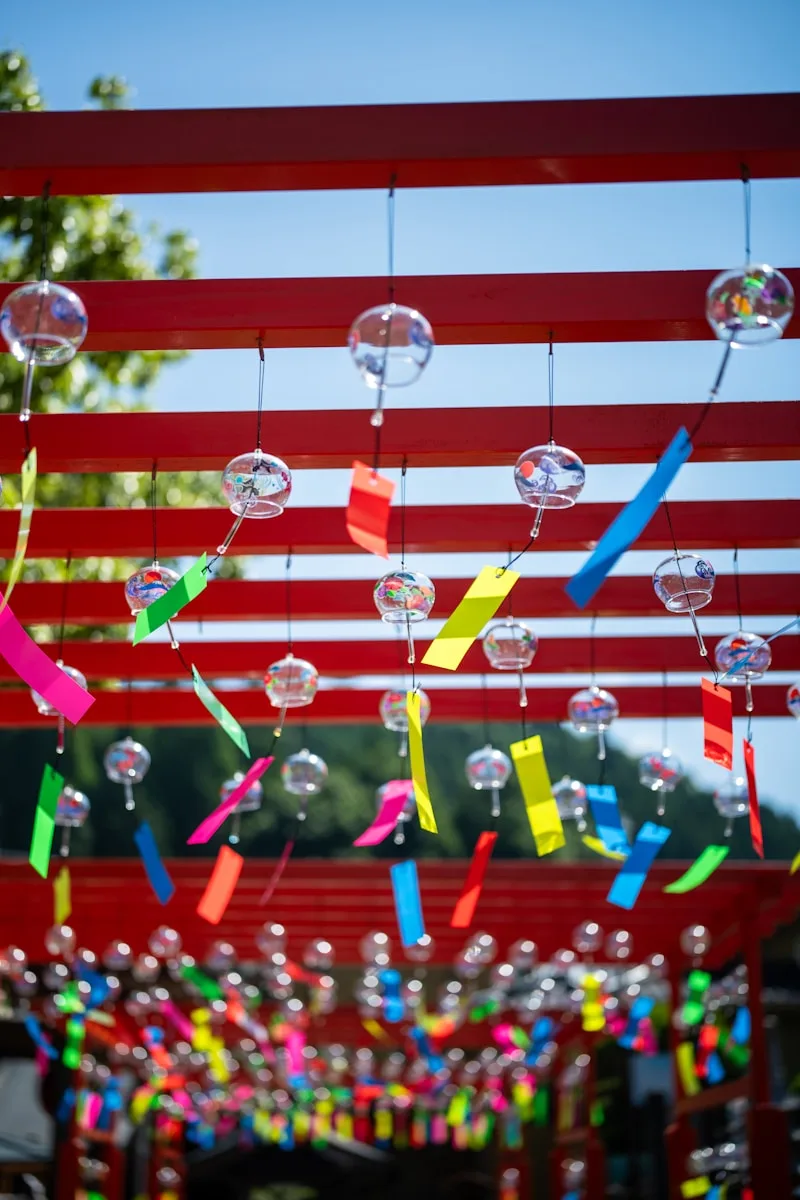
Summer — Festivals & Fireworks
June – August
Best for: Festival lovers, budget travelers (outside Obon)
Japanese summer is defined by spectacular matsuri (festivals), spectacular fireworks displays (hanabi taikai), and the ancient Obon tradition of welcoming ancestral spirits home. The energy is infectious — yukata-clad crowds, drumming, dancing, and the scent of yakitori fill the night air. Heat and humidity are intense but manageable with early morning starts.
Pros
- ✓ Gion Matsuri (Kyoto) — Japan's grandest festival
- ✓ Fireworks every weekend
- ✓ Vibrant nightlife and street food
- ✓ Hokkaido is pleasantly cool in summer
Cons
- ✗ Tokyo and Osaka are brutally hot (35°C+)
- ✗ Obon week (Aug 13–15) sees peak domestic crowds
- ✗ Humidity can be draining for first-timers
- ✗ June rainy season affects most destinations
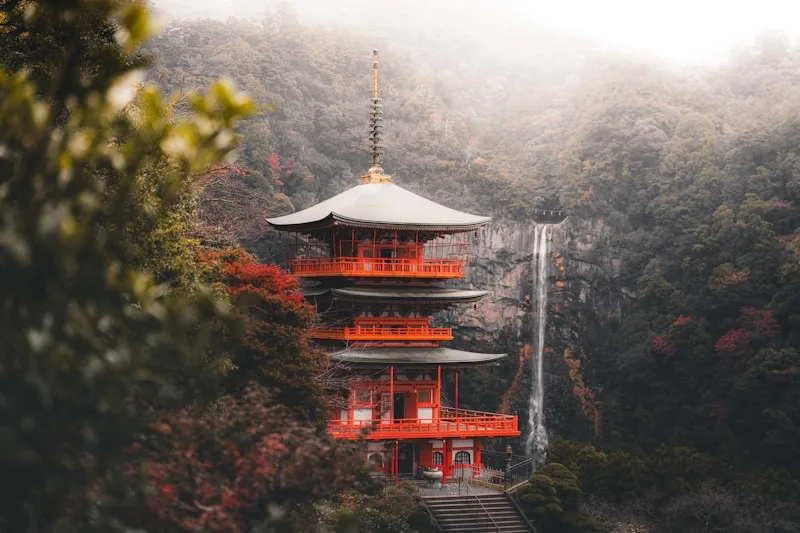
Autumn — Foliage Season
October – November
Best for: Photographers, culture lovers, returning visitors
Autumn koyo (foliage) rivals spring sakura in beauty — and many who've seen both prefer autumn. Maples, ginkgos, and deciduous trees turn brilliant shades of red, orange, and gold against ancient temple rooftops. Evening illuminations at Kyoto's Eikan-do and Tofuku-ji are among the most magical experiences Japan offers.
Pros
- ✓ Stunning red and gold landscapes
- ✓ Temple illumination events
- ✓ Cool, comfortable walking weather
- ✓ Harvest food season (matsutake, sweet potato, chestnuts)
Cons
- ✗ November is nearly as crowded as April in Kyoto
- ✗ Peak hotel prices return
- ✗ Typhoon risk in September–October
- ✗ Exact peak timing varies year to year
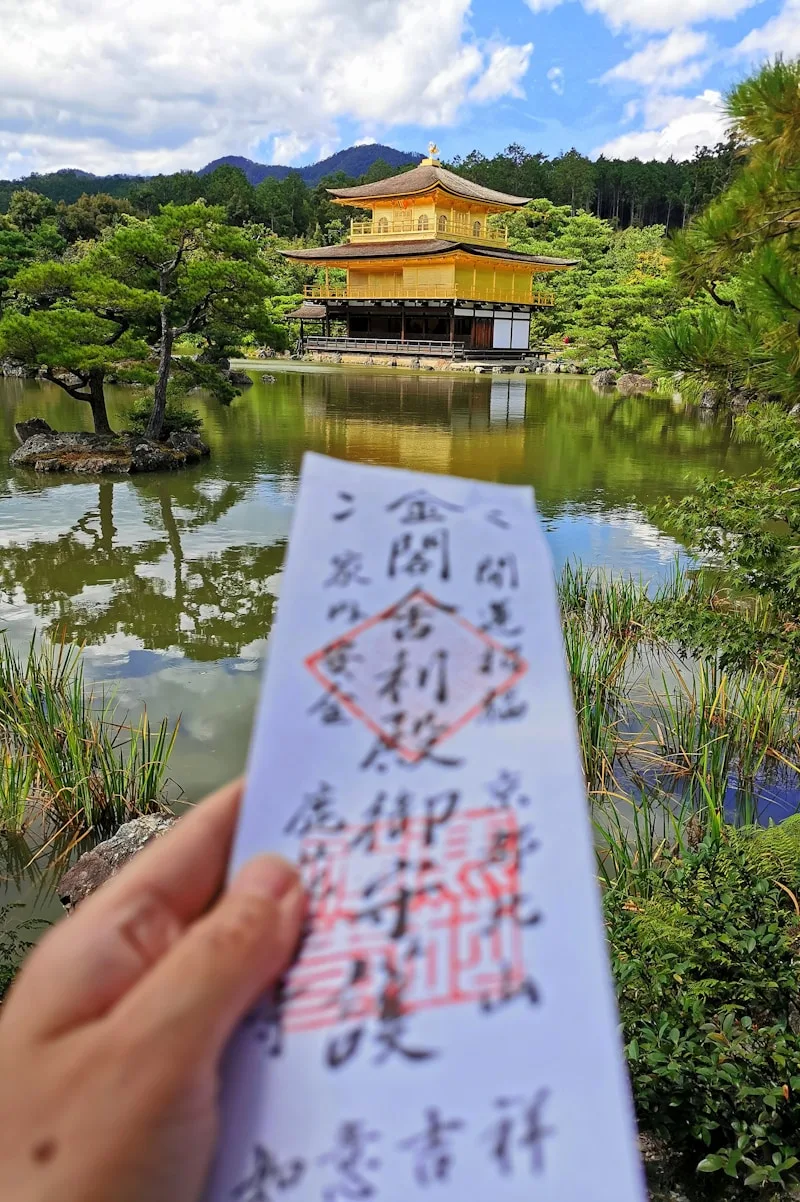
Winter — Snow & Onsen
December – February
Best for: Budget travelers, skiing, hot spring retreats
Winter is Japan's best-kept travel secret. Crowd-free temples dusted in snow, the intimate warmth of ryokan onsen, world-class skiing in Hokkaido, and the lowest hotel prices of the year. New Year (Oshogatsu) is the most culturally significant holiday — families gather at shrines for hatsumode (first shrine visit) and temples ring bells 108 times at midnight.
Pros
- ✓ Lowest prices of the year (except New Year)
- ✓ Almost no crowds at temples and shrines
- ✓ Onsen culture is most enjoyable in cold weather
- ✓ Hokkaido skiing rivals the Alps
Cons
- ✗ Cold in Tokyo (0–10°C)
- ✗ Some attractions have reduced hours
- ✗ New Year period is an exception — very busy
- ✗ Shorter daylight hours
Month-by-Month Breakdown
2–10°C in Tokyo. Cold and clear. Snow in Hokkaido and mountain regions.
Events: New Year celebrations (Jan 1–3), Winter illuminations, Sapporo Snow Festival prep
💡 Tip: Great for winter onsen trips and uncrowded Kyoto temples. Cheapest hotel rates of the year.
3–11°C in Tokyo. Coldest month. Plum blossoms begin in late February.
Events: Sapporo Snow Festival (early Feb), Plum blossom viewing (ume)
💡 Tip: Sapporo Snow Festival draws huge crowds. Outside of Hokkaido, this is an excellent low-season window.
6–15°C in Tokyo. Warming up. Early cherry blossoms in south Japan.
Events: Cherry blossoms start in Kyushu and Okinawa. Hina Matsuri (March 3).
💡 Tip: Visit Kyushu and western Japan early in the month for first-bloomer cherry blossom views before peak crowds.
10–20°C. Perfect spring warmth. Rain possible mid-month.
Events: Cherry blossom peak (sakura) in Tokyo, Kyoto, and Osaka. Golden Week ends April.
💡 Tip: The most popular month in Japan. Book hotels 3–6 months ahead. Weekday visits are much quieter.
15–25°C. Warm, mostly sunny. Golden Week crowds disperse mid-May.
Events: Golden Week (late April–early May) — nationwide festivals. Fresh greenery (shinryoku).
💡 Tip: Avoid Golden Week (April 29–May 6). Mid to late May is arguably the best overall month: warm, green, and less crowded than April.
20–27°C. Rainy season (tsuyu) for most of June. High humidity.
Events: Hydrangea (ajisai) blooms. Sanno Matsuri (Tokyo, mid-June).
💡 Tip: Lowest hotel prices of the non-winter year. Pack a compact umbrella. Hokkaido and northern Japan skip rainy season.
25–33°C. Hot and humid. Rainy season ends early July.
Events: Gion Matsuri (Kyoto, all month). Fireworks festivals every weekend.
💡 Tip: Festivals are magical but heat is intense. Start sightseeing before 9am and rest midday. Stay near coastal areas or in mountains for relief.
26–35°C. Hottest and most humid month.
Events: Obon festival (mid-August). Nationwide fireworks. Awa Odori (Tokushima).
💡 Tip: Japanese domestic tourism peaks during Obon (Aug 13–15). Beaches and mountain resorts fill up. Morning and evening sightseeing is most comfortable.
22–30°C. Tapering heat. Typhoon season (Sept–Oct).
Events: Kishiwada Danjiri Festival (Osaka, mid-Sept). Harvest moon festivals.
💡 Tip: Typhoons are a risk but usually pass quickly. Check forecasts and have flexible plans. Great value shoulder month.
15–23°C. Comfortable and clear. First autumn colours in north Japan.
Events: Autumn foliage begins in Hokkaido and Nikko. Jidai Matsuri (Kyoto, Oct 22).
💡 Tip: Early October is an underrated gem. Great weather, low-to-medium crowds, and the first foliage colour in the north. October 22 sees the grand Jidai Matsuri parade in Kyoto.
10–18°C. Cool and crisp. Peak autumn leaves mid to late November.
Events: Autumn foliage (koyo) peak in Kyoto, Nikko, and Osaka. Temple illuminations.
💡 Tip: Second most popular month after April. Kyoto's temples lit up at night are unforgettable. Book well ahead. Peak colours shift from north to south throughout the month.
4–12°C in Tokyo. Snow arrives in mountain regions and northern Japan.
Events: Winter illuminations across all major cities. Christmas markets. New Year countdown events.
💡 Tip: Great for winter illuminations (Nabana no Sato, Sagano). December 28–31 gets busy for New Year's, but most of the month is quiet and affordable.
Tokyo Weather by Month
Average temperatures (°C), rain days, and sunshine hours — Tokyo station as baseline. Kyoto is 2–3°C warmer in summer and similar in winter. Hokkaido runs 8–12°C colder.
| Month | Low °C | High °C | Rain days | Sun hrs | Season note |
|---|---|---|---|---|---|
| January | 2 | 10 | 6 | 192 | |
| February | 3 | 11 | 7 | 159 | |
| March | 6 | 15 | 10 | 171 | |
| April | 11 | 20 | 11 | 177 | Sakura |
| May | 16 | 25 | 10 | 189 | Ideal |
| June | 20 | 27 | 13 | 126 | Rainy |
| July | 24 | 31 | 11 | 168 | Matsuri |
| August | 25 | 33 | 9 | 193 | Hot |
| September | 21 | 28 | 12 | 129 | |
| October | 15 | 22 | 10 | 165 | Ideal |
| November | 9 | 17 | 8 | 159 | Koyo |
| December | 4 | 12 | 6 | 174 |
Source: Japan Meteorological Agency 30-year climatological normals (Tokyo).
Ready to book your Japan trip?
Hotels fill up fast during cherry blossom season (March–April) and autumn foliage (November). Book at least 3–6 months ahead for peak periods.
Quick Recommendations by Traveler Type
| Traveler Type | Best Months | Why |
|---|---|---|
| First-time visitor | Mid-May or October | Good weather, lower crowds than peak, easy to navigate |
| Cherry blossom seeker | Late March – Early April | The only window for sakura. Kyoto best March 28–April 5 |
| Budget traveler | January–February or June | Hotels 30–50% cheaper, attractions uncrowded |
| Festival lover | July – August | Gion Matsuri, Awa Odori, hanabi everywhere |
| Autumn foliage | Mid-November | Peak koyo in Kyoto and central Japan |
| Families with kids | May or October | Comfortable temperatures, school-friendly schedule |
| Onsen & ski lover | December – February | Best snow, cheapest rates, most atmospheric onsen |
| Photography enthusiast | April or November | Peak colour for iconic Japan shots |
| Avoiding crowds | June or January | Lowest tourist density of the year |
Seasonal Itineraries
Essential Japan Travel Guides
Everything you need to plan your Japan trip — from how many days to pack to how to get around.
Japan Itinerary 2026
Day-by-day plans for 7, 10 & 14 days — Tokyo, Kyoto, Osaka and the Golden Route.
How Many Days in Japan?
Decide your trip length based on must-see regions and how much time you have.
JR Pass Guide 2026
Is the JR Pass worth it? Calculator, prices, and pass vs. point-to-point comparison.
Japan Budget Guide 2026
How much does a trip to Japan cost? Daily budgets from ¥7,000 to ¥30,000+.
Japan Packing List 2026
Interactive checklist of everything to pack — with seasonal extras for spring, summer, autumn, and winter.
AI Japan Itinerary Planner
Tell us your travel dates and interests — get a personalised day-by-day itinerary in 30 seconds.
Frequently Asked Questions
What is the absolute best month to visit Japan?+
For most first-time visitors, mid-to-late May is the ideal month. Cherry blossoms are finished so crowds drop, temperatures are warm (18–25°C), and prices fall from April peaks. You get Japan at its most beautiful (fresh green) without the extreme competition for hotels. Late October is the second best pick for similar reasons in autumn.
When do cherry blossoms bloom in Japan?+
Cherry blossoms typically peak in Tokyo in late March to early April (usually March 25–April 5), a few days earlier in Kyushu and Okinawa, and 1–2 weeks later in Tohoku and Hokkaido. The exact dates shift by ±1–2 weeks depending on the year. Check Japan Meteorological Corporation's annual sakura forecast (released in January) for the most accurate prediction.
Should I avoid Golden Week?+
Golden Week (April 29–May 6) is Japan's biggest national holiday cluster. Trains, tourist sites, and highways fill with domestic travelers. Hotels double or triple in price and book out months ahead. Unless you have your heart set on a specific festival during this period, visiting the week before (April 20–28) or after (May 7–20) gives you the same beautiful weather at a fraction of the cost and crowd level.
Is Japan crowded year-round?+
The genuinely quiet months are January, February, June, and early-to-mid September. These offer hotel prices 30–50% below peak and uncrowded popular sites. Outside of these windows, major tourist areas like Fushimi Inari and Arashiyama are busy — plan early morning or evening visits (before 8am or after 5pm) regardless of when you go.
What is the rainy season in Japan?+
The rainy season (tsuyu or baiu) runs roughly from early June to mid-July in most of Japan (Honshu, Shikoku, Kyushu). It brings persistent drizzle rather than non-stop heavy rain. Hokkaido largely escapes tsuyu. The upside: hotel rates drop significantly and attractions are almost empty on rainy weekdays. Pack a good compact umbrella.
When is Japan cheapest to visit?+
The cheapest periods are January 10–February 28 (after New Year, before plum blossom), June (rainy season), and early September. Avoid the four peak price windows: Cherry blossom season (late March–early May), Golden Week (April 29–May 6), Obon (August 12–16), and New Year (December 28–January 3).
Is Japan good to visit in winter?+
Absolutely — and it's underrated. Tokyo is cold (0–10°C) but rarely snowy. Kyoto's snow-dusted temples are among the most beautiful images of Japan. Hakone and Nikko are stunning in snow. Hokkaido is world-class skiing territory from December to March. Onsen (hot spring baths) are most enjoyable in cold weather. Hotel prices are the lowest of the year outside of the New Year period.
Ready to plan your Japan trip?
Use our AI-powered planner to get a personalised day-by-day itinerary for your travel dates.
Plan My Japan Trip →