How to Get Around Japan
Complete transport guide for tourists 2025
Japan has one of the world's best transport systems. Trains run on time to the minute, buses connect rural areas that trains don't reach, and IC cards make payment completely seamless. But the sheer number of operators, pass types, and route options can feel overwhelming for first-time visitors.
This guide cuts through the complexity. Here's exactly what you need to know to get around Japan confidently.
Quick Start — 3 Things You Need
- 1.IC Card (Suica/Pasmo) — Buy at Tokyo Station or add to Apple/Google Wallet. Load ¥3,000. Tap on everything.
- 2.Google Maps — Download offline maps for each city before arrival. Use transit mode for train/bus directions.
- 3.JR Pass (optional) — Buy before leaving home if you're visiting 3+ cities. Check if your specific route is worth it.
All Transportation Options in Japan
Shinkansen (Bullet Train)
The backbone of long-distance travel
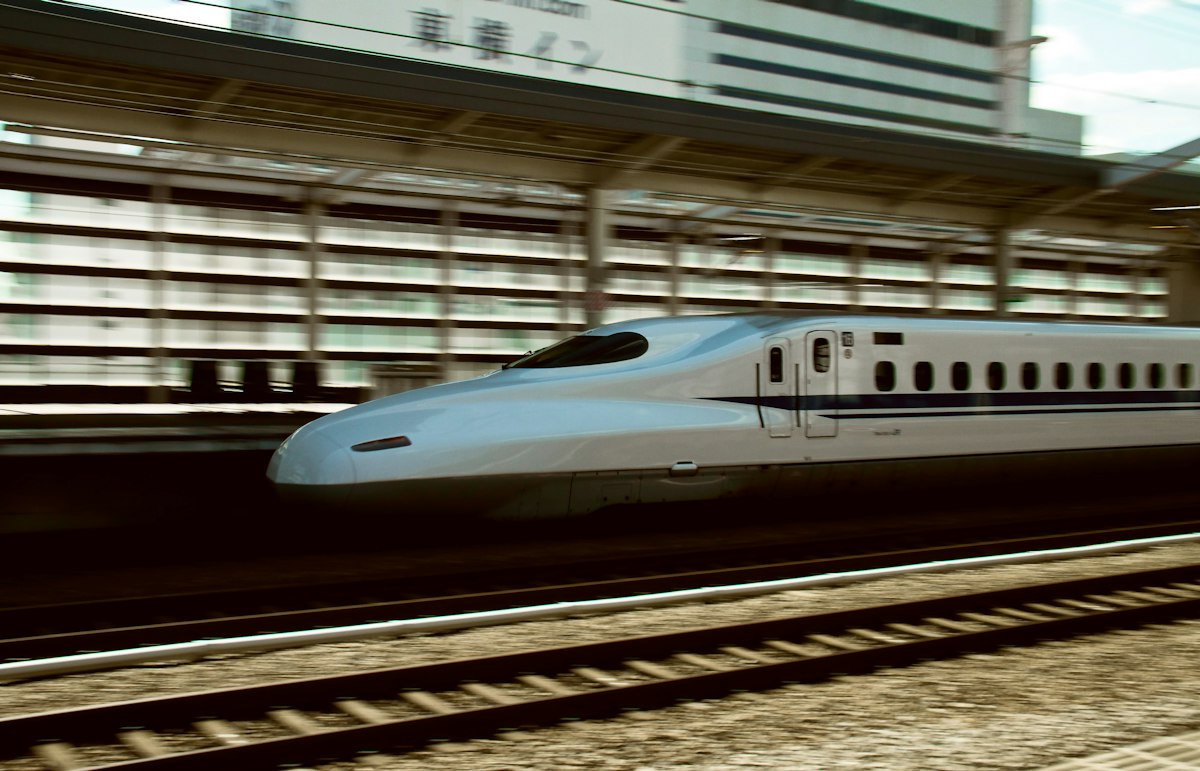
Japan's Shinkansen network is the fastest and most reliable way to travel between major cities. Trains run at up to 320 km/h and are almost never late. Tokyo to Kyoto takes just 2 hours 15 minutes on the Nozomi — a journey that would take 8+ hours by car.
| Tokyo | Kyoto | 2h 15m (Nozomi) | ¥13,850 |
| Tokyo | Osaka | 2h 30m (Nozomi) | ¥14,720 |
| Tokyo | Hiroshima | 3h 45m (Nozomi) | ¥19,440 |
| Tokyo | Fukuoka | 5h (Nozomi) | ¥23,390 |
| Osaka | Hiroshima | 1h 25m (Nozomi) | ¥10,360 |
•Book reserved seats (shitei-seki) on the Nozomi or Hikari for peace of mind during busy periods.
•Unreserved carriages (jiyuu-seki) exist on slower trains — cheaper but you may stand during Golden Week.
•The Nozomi and Mizuho are NOT covered by the standard JR Pass.
•Luggage forwarding (takkyubin) services let you send large bags ahead to your next hotel.
JR Pass
Unlimited JR rides for tourists — worth it for long trips
The Japan Rail Pass gives unlimited travel on almost all JR trains (including most Shinkansen, except Nozomi/Mizuho) for 7, 14, or 21 days. It must be purchased before arriving in Japan and is only available to tourists. Calculate your route cost first — the pass pays off for multi-city trips covering Tokyo–Kyoto–Hiroshima–Fukuoka or similar.
| 7-day Pass | Adults | ¥50,000 | Worth it for: Tokyo–Kyoto round trip + side trips |
| 14-day Pass | Adults | ¥80,000 | Worth it for: Golden Route + Hiroshima + Hakone |
| 21-day Pass | Adults | ¥100,000 | Worth it for: 3-week nationwide exploration |
•The pass does NOT cover Nozomi or Mizuho Shinkansen — take the slightly slower Hikari or Sakura instead.
•Includes the Haruka Express (Osaka–Kansai Airport) and local JR lines in each city.
•Purchase and activate must be done before departure — buy via Klook, JRailPass, or similar.
•For Tokyo-only trips, the pass is usually not worth it. Calculate your specific route cost.
IC Cards (Suica & Pasmo)
Tap-and-go for all local trains, buses, and convenience stores
IC cards are prepaid contactless cards you reload with cash and tap on gates. They work on every train, subway, bus, and monorail in Japan, including in cities far from Tokyo. You can even use them at 7-Eleven, FamilyMart, Lawson, and vending machines. This is the single most useful item to buy on day one.
| Suica | JR East (Tokyo region) | Available at JR station machines or Apple/Google Wallet | ¥500 deposit |
| Pasmo | Tokyo Metro and private lines | Available at station machines | ¥500 deposit |
| ICOCA | Kansai region (Kyoto/Osaka) | JR West machines | ¥500 deposit |
| Tourist IC Card | Nationwide | No deposit, pre-loaded — sold at airports | ¥3,000–¥10,000 |
•Mobile Suica on iPhone or Android is the easiest option — no physical card, no deposit, no queuing.
•Keep ¥3,000–5,000 loaded. If it runs out at the gate, use the "Fare Adjustment" machine inside before exiting.
•IC cards can be used on trains in Tokyo, Kyoto, Osaka, Nara, Nagoya, Fukuoka, Sapporo, and most cities.
•Return your card at the end of your trip to reclaim the ¥500 deposit (minus a ¥220 processing fee).
Subway & Local Trains
Getting around within cities
Within cities like Tokyo, Osaka, and Nagoya, the subway and local train network is far superior to any other method of urban transport. Tokyo has 13 subway lines and 180+ stations. Trains run every 2–5 minutes during peak hours. Use Google Maps or the Hyperdia/Navitime app for route planning — these handle all operators seamlessly.
| Tokyo Subway | Tokyo Metro + Toei | ¥180–¥330 per ride | Day passes available (¥600–900) |
| Osaka Metro | Osaka City | ¥190–¥370 per ride | Osaka e-Pass includes transit |
| Kyoto Bus | City center | ¥230/ride or ¥700/day pass | Covers most major temples |
| JR Local Lines | Within prefectures | Included in JR Pass | Pay by IC card if no pass |
•Google Maps is the most reliable navigation tool — it includes all operators and shows real-time delays.
•Stand on the left on escalators in Tokyo (right in Osaka — yes, it really switches!).
•Train etiquette: no loud phone calls, phones on silent, offer priority seats to elderly/pregnant passengers.
•Last trains typically run until midnight–1am. Plan your evenings accordingly.
Highway Buses (Kousoku Bus)
Cheap overnight or long-distance option
Highway buses (kousoku bus) are the budget traveler's best friend for long-distance routes. Tokyo to Osaka overnight for ¥3,000–5,000 (vs ¥14,720 Shinkansen). Willer Express, JR Bus, and Meitetsu Bus operate comfortable routes. Night buses arrive early morning, saving a night's accommodation too. Great for backpackers with flexible schedules.
| Tokyo | Osaka | 8–9 hours (overnight) | ¥3,000–5,000 |
| Tokyo | Kyoto | 7–8 hours (overnight) | ¥3,500–5,500 |
| Tokyo | Nagoya | 5–6 hours | ¥2,500–4,000 |
| Osaka | Hiroshima | 3–4 hours | ¥2,000–3,500 |
•Book via Willer Express (willerexpress.com) or JR Bus for English-friendly booking.
•Night buses have reclining seats, blankets, and sometimes 4-seat private compartments.
•Arrive at the bus terminal 15 minutes early — they leave on time.
•Bring an eye mask, neck pillow, and earplugs for overnight comfort.
Taxis & Rideshare
Convenient but expensive
Japanese taxis are immaculately clean and drivers are polite and honest — but they are expensive by global standards. Base fare is ¥700–900, then metered. A 20-minute ride in Tokyo costs ¥2,000–4,000. Use for late-night returns when trains have stopped, heavy luggage, or when travelling in groups of 4 (splits the cost). Uber operates in some cities but availability is limited.
| Tokyo | Short ride (5 min) | ¥700–1,000 | Base + meter |
| Tokyo | Airport (Narita) | ¥20,000–25,000 | Fixed rate available |
| Tokyo | Airport (Haneda) | ¥5,000–8,000 | Depends on zone |
| Kyoto | Fushimi Inari → Kinkaku-ji | ~20 min | ¥2,500–3,500 |
•Taxi doors open and close automatically — do NOT touch them.
•Show your destination on a map or written on paper if language is a barrier.
•Go! Taxi and S.RIDE apps work in Japan for app-based booking.
•For airport runs, limousine buses (bus from airport to city) are far cheaper (¥1,000–3,000).
Renting a Car
Ideal for rural Japan and Hokkaido
Driving in Japan is on the left side of the road. A car is not useful in cities (expensive parking, one-way streets), but is transformative for rural travel — Hokkaido's lavender fields, Okinawa's remote beaches, the Iya Valley in Shikoku, and rural Tohoku are virtually inaccessible without a car. International Driving Permit (IDP) is required alongside your home license.
| Compact car | Daily rental | ¥5,000–8,000/day | Excludes toll roads and fuel |
| Toll roads (Expressway) | Per trip | Varies by distance | ETC card or cash at booths |
| Fuel | Petrol (regular) | ¥175–200/litre | Self-serve pumps common |
| Parking | City centre (Tokyo) | ¥300–500/30 min | Coin parking lots everywhere |
•Get an International Driving Permit (IDP) before leaving home — cannot be obtained in Japan.
•Japanese GPS systems often have English mode. Alternatively, use Google Maps offline.
•Highways have frequent service areas (SA) with excellent rest stops, food, and clean toilets.
•Speed limits are strictly enforced: 60 km/h on national roads, 80–100 km/h on expressways.
Airport Transfers
Getting from the airport to the city
Japan's major airports all have efficient public transport connections. Trains are almost always the fastest and cheapest option. Limousine buses are convenient for hotels in the city center. Private transfers are available for groups or heavy luggage.
| Tokyo (Narita) | City centre | Narita Express: 60 min (¥3,070) | Keisei Skyliner: 40 min (¥2,570) | Bus: 70–90 min, ¥1,000–3,200 |
| Tokyo (Haneda) | City centre | Keikyu/Monorail: 20–30 min (¥470–700) | Taxi: ¥5,000–8,000 |
| Osaka (Kansai) | Osaka/Kyoto | Haruka Express: Osaka 75 min / Kyoto 75 min (¥2,980 / ¥3,490) | JR Pass covers Haruka with reserved supplement |
| Osaka (Itami) | City centre | Limousine bus: 25–40 min | ¥650–1,270 |
•Narita Express (N'EX) to Tokyo Station is reliable and book-able with an IC card or JR Pass.
•Keisei Skyliner to Ueno is slightly cheaper than N'EX and equally fast.
•For Haneda, the Tokyo Monorail to Hamamatsucho is the simplest option.
•Limousine buses stop at major hotels — convenient for late arrivals with large bags.
Getting Around Each City
| City | Best Transport | Day Pass? | Notes |
|---|---|---|---|
| Tokyo | Metro + JR Yamanote Line | ¥600–900/day | IC card is all you need. Day passes rarely worth it vs. IC. |
| Kyoto | City buses + subway | ¥700 bus day pass | Bus day pass excellent for temple-hopping. Subway to Fushimi Inari. |
| Osaka | Osaka Metro | Osaka e-Pass (¥2,700) | e-Pass includes 30+ attractions + unlimited transit. Great value. |
| Nara | Walking + Kintetsu train | N/A | Central Nara is very walkable. Train from Osaka (35 min) or Kyoto (45 min). |
| Hiroshima | Tram (street car) | ¥700/day | Trams cover all key sites. IC card accepted. Ferry to Miyajima (¥360). |
| Fukuoka | Subway | One-day pass ¥640 | Compact city — subway gets you everywhere. Hakata Station is the hub. |
| Sapporo | Subway + tram | One-day pass ¥830 | Very walkable city grid. Subway covers main sights. |
| Hakone | Hakone Free Pass | ¥4,600 from Shinjuku | Pass covers ropeways, lake ferry, mountain railways — essential. |
Don't forget: get a Japan eSIM
You'll need mobile data to use Google Maps, train apps, and translation tools while getting around. A Japan eSIM gives you unlimited data from arrival — no SIM swap, no queuing at the airport counter.
Frequently Asked Questions
Do I need a JR Pass to travel Japan?+
No — a JR Pass is only worth buying if you're making multiple long-distance trips. For a Tokyo-only trip, an IC card is sufficient. For a Golden Route trip (Tokyo–Kyoto–Osaka), the 7-day JR Pass at ¥50,000 roughly breaks even against buying individual Shinkansen tickets. For shorter routes or if you're spending most time in one city, skip the pass and pay as you go with an IC card.
How do I buy a Suica card?+
At any JR station ticket machine with English interface — look for "IC Card" or "Suica" options. Add ¥1,000–3,000 as initial credit (¥500 is a deposit). Alternatively, if you have an iPhone or Android with NFC, you can add a digital Suica to Apple Wallet or Google Pay — no physical card needed.
Can I use Google Maps for transport in Japan?+
Yes, and it's excellent. Google Maps covers all train operators (JR, Tokyo Metro, private lines), buses, and even some taxi estimates. It shows real-time departures and which trains to transfer to. For offline use, download the map of your region before arrival. Navitime and Hyperdia are Japanese alternatives with more detail on fare types.
Is it safe to travel alone at night in Japan?+
Japan is one of the safest countries in the world for solo travel at night. Trains run until midnight–1am, stations are well-lit and staffed, and violent crime against tourists is extremely rare. Standard precautions apply (watch your belongings in crowds, keep a charged phone), but there is very little reason for safety concern.
Can I take a train to Kyoto, Nara, and Osaka in one trip?+
Yes, and it's one of the classic Japan day-trip combos. The Kintetsu Railway connects Osaka, Nara, and Kyoto efficiently. From Osaka to Nara takes 35 minutes. Osaka to Kyoto by JR takes 15 minutes. You can realistically visit all three in a single day, though 2–3 days allows for more depth.
Is an IC card (Suica/Pasmo) accepted outside Tokyo?+
Yes — Suica and Pasmo are accepted on virtually all rail and bus networks nationwide. This includes Kyoto, Osaka, Nagoya, Hiroshima, Fukuoka, Sapporo, Sendai, and more. You do not need a separate card for each city. The only exceptions are some very rural bus lines in remote areas.
How do I get from Narita Airport to Tokyo?+
The Narita Express (N'EX) is the most popular option: 55–60 minutes to Tokyo Station, ¥3,070 one-way. The Keisei Skyliner is slightly faster (40 min to Ueno/Nippori), ¥2,570 one-way. Limousine buses (¥1,000–3,200) are slower but stop directly at major hotels. Taxis cost ¥20,000–25,000 — not recommended.
Plan Your Routes
Ready to plan your Japan itinerary?
Get a personalised day-by-day Japan itinerary that factors in your destinations, travel style, and budget.
Generate My Japan Itinerary →