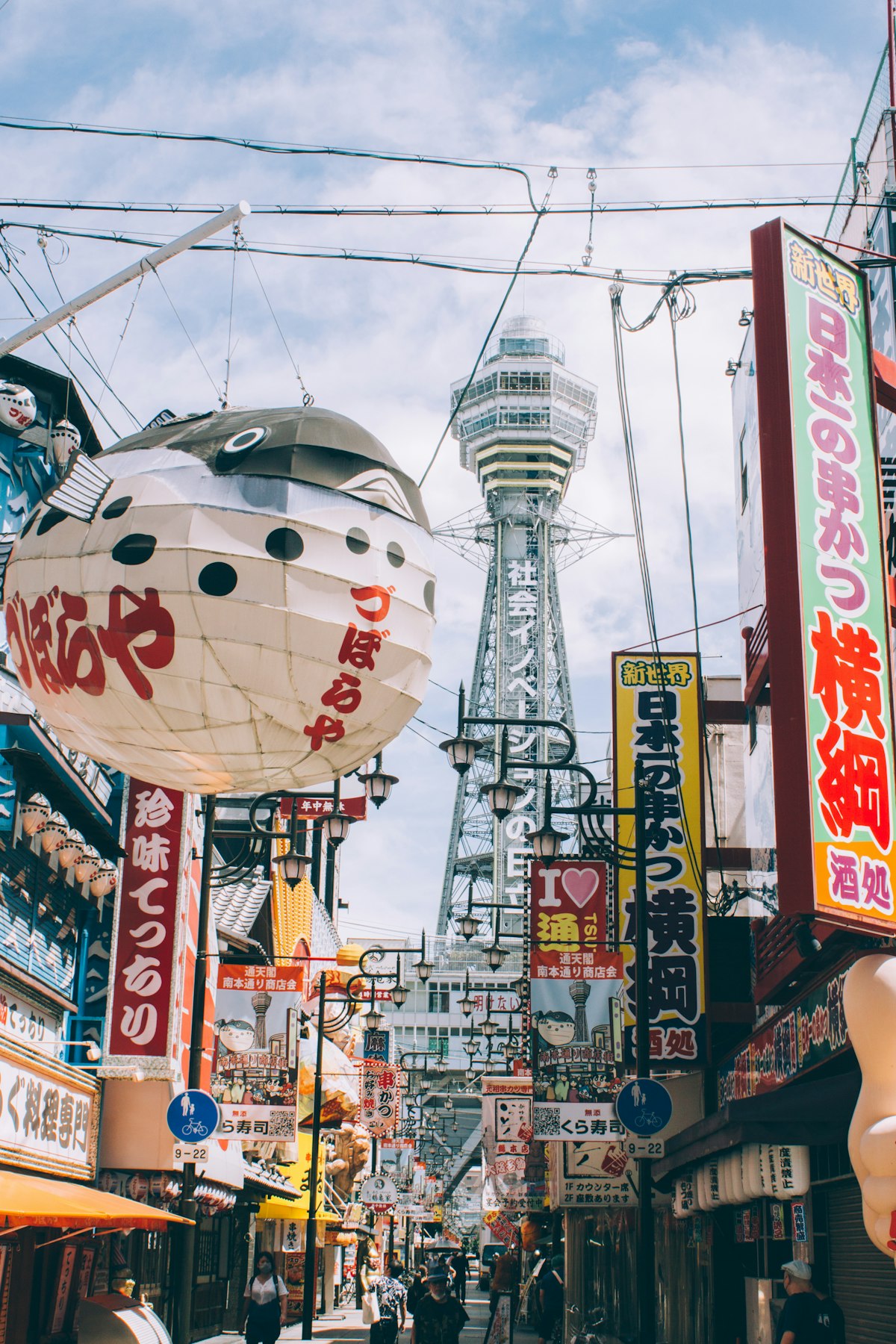
Travel Guide
Japan Onsen Guide 2025–2026
Hot springs, ryokan, etiquette & the best onsen regions
✈ Plan Your Japan Onsen Trip Free →Bathing in Japan's natural hot springs — onsen (温泉) — is one of the country's most beloved traditions. Japan sits on the Pacific Ring of Fire, giving it over 27,000 natural hot spring sources and more than 3,000 onsen resorts. Whether you soak in an open-air rotenburo overlooking Mt Fuji or walk between bathhouses in a yukata in Kinosaki, onsen bathing is an experience unlike anything else in the world.
This guide covers everything you need — types of onsen, regional highlights, etiquette rules, tattoo policies, and how to book the perfect ryokan stay.
Japan Onsen in Photos


Types of Onsen Experience
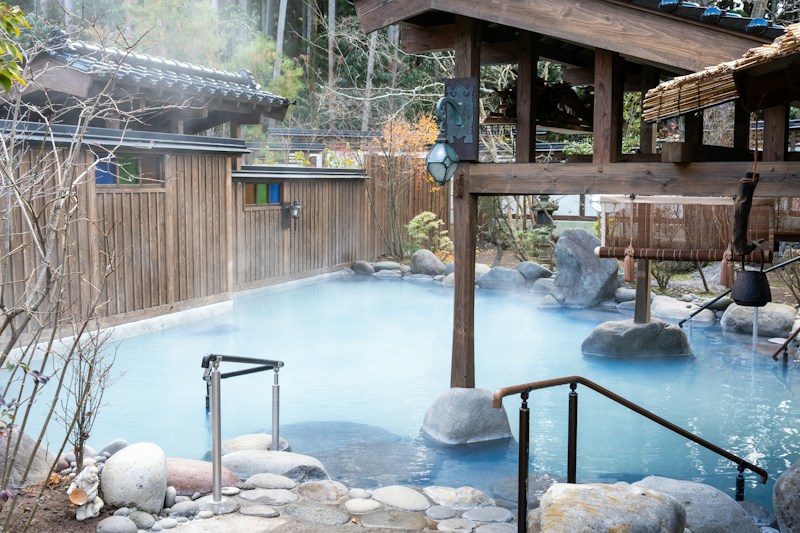
Rotenburo (Open-air Bath)
Outdoor hot spring surrounded by nature — garden, forest, or mountain view. The most romantic and photogenic type.
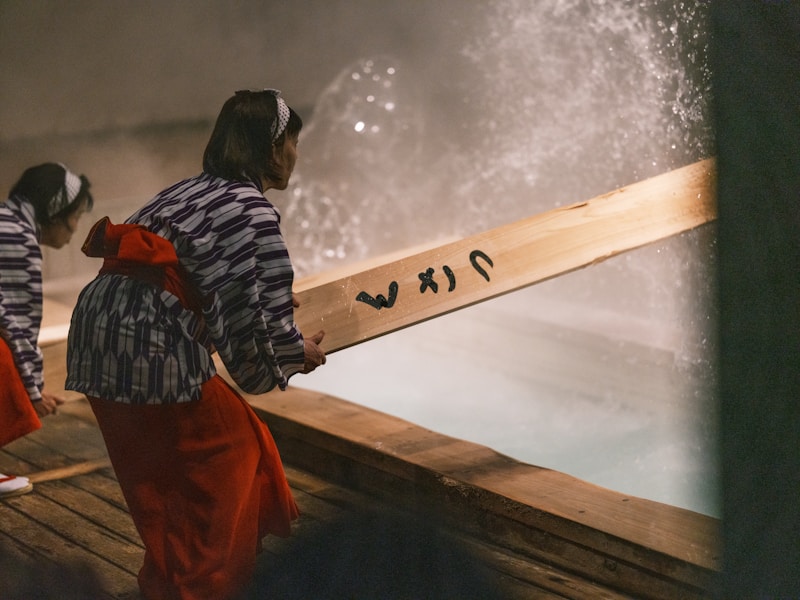
Uchiyu (Indoor Bath)
Covered communal bath inside the ryokan or bathhouse. Available year-round, ideal for rainy or cold days.
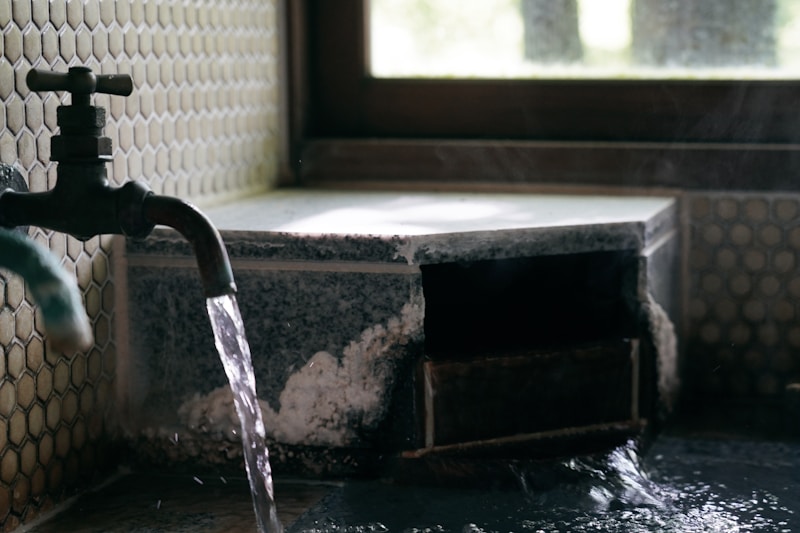
Kashikiri Buro (Private Bath)
A private onsen reserved for your group — perfect for families, couples, or tattooed guests. Usually booked by the hour.
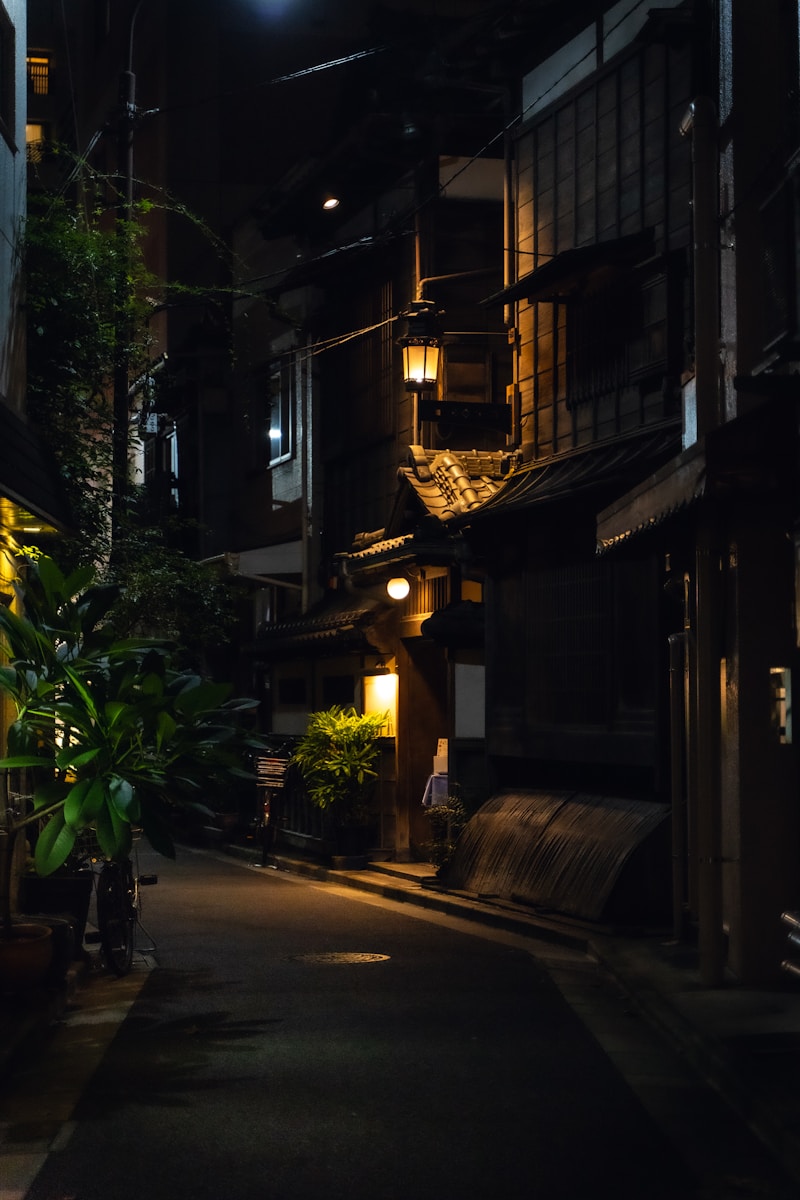
Soto-yu (Town Bathhouse)
Public bathhouses in onsen towns like Kinosaki. Pay ¥500–¥800 per bath; hop between multiple facilities in one evening.
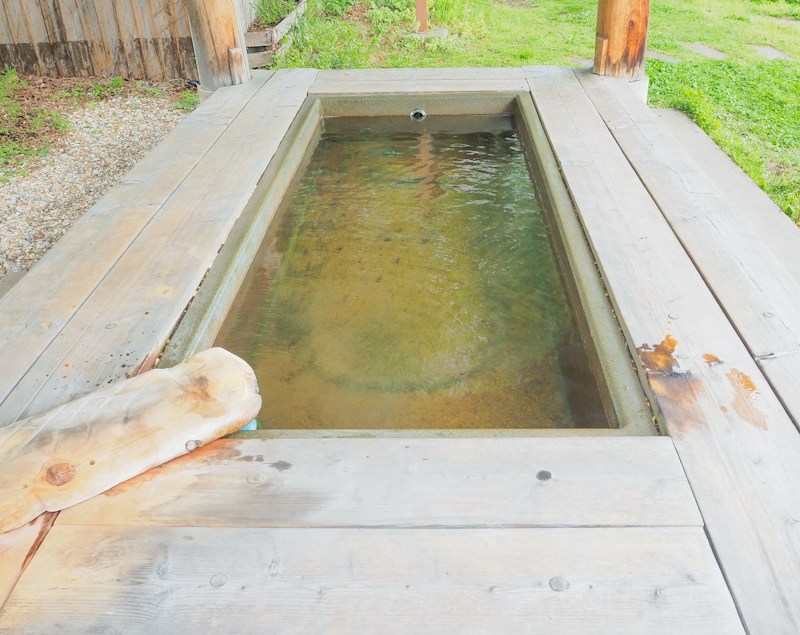
Ashiyu (Foot Bath)
Shallow public foot baths at train stations and parks. Free or ¥100–200, fully clothed, ideal intro to onsen culture.
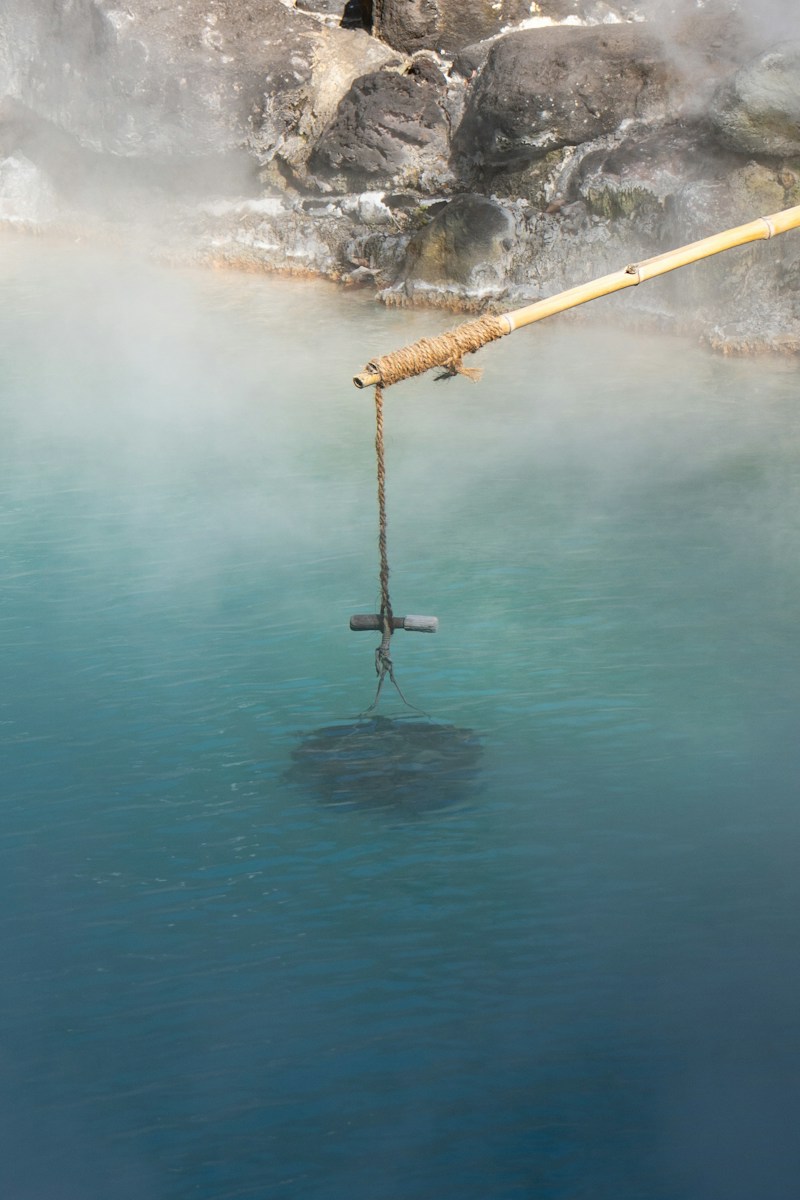
Suna-yu (Sand Bath)
Unique to Ibusuki and Beppu — attendants bury you up to your neck in geothermally heated sand. Deeply therapeutic.
Onsen Etiquette — The Essential Rules
Wash before you enter
Always use the shower station to clean your body thoroughly before entering the communal bath. This is non-negotiable.
No swimming costume in rotenburo
Most traditional onsen are enjoyed nude. Some facilities have rental swimwear for mixed bathing (konyoku) baths.
Keep your small towel out of the water
You can carry a small towel to cover yourself while walking, but fold it on your head or set it aside before entering.
No tattoos in many facilities
Many onsen still prohibit visible tattoos. Look for tattoo-friendly (タトゥーOK) or private bath options if this applies to you.
Quiet and calm atmosphere
Onsen are places of relaxation. Keep voices low, no splashing, no phones or cameras in the bathing area.
Hydrate and rest after
The minerals and heat are therapeutic but dehydrating. Drink water before and after, and rest in the lounge area.
Best Onsen Regions in Japan
Hakone
Kanagawa
Best for: Day-trippers from Tokyo, Mt Fuji views
90 mins from Tokyo. Open-air baths facing Mt Fuji.
Water type: Sulphur & Sodium Chloride
Kinosaki Onsen
Hyogo
Best for: Yukata town-walk (7 public bathhouses)
Walk between 7 bathhouses in yukata. Quintessential onsen town.
Water type: Sodium Chloride
Beppu
Oita, Kyushu
Best for: The "8 Hells" hot spring spectacle, volume bathing
World's largest onsen output. Sand baths, mud baths, steam baths.
Water type: Multiple (8 hells)
Kusatsu
Gunma
Best for: Traditional Japanese onsen atmosphere, serious bathers
Yubatake (hot spring field) in the town centre. Highly therapeutic.
Water type: Hydrogen Sulphide (acidic)
Noboribetsu
Hokkaido
Best for: Variety seekers, winter visits
Jigokudani (Hell Valley) steam vents. Best combined with Sapporo trip.
Water type: 9 types in one resort
Arima Onsen
Hyogo (near Kobe)
Best for: Culture lovers, Kansai base
One of Japan's 3 oldest onsen. Gold and silver spring types side by side.
Water type: Gold (iron-rich) & Silver (radium)
Before You Book an Onsen Ryokan
Practical facts to help you time your booking and manage expectations
Cancellation Policy
Most ryokan charge 30–50% of the total if you cancel within 7 days, and 100% the day before or on the day. Non-refundable rates are common during peak seasons. Always read the cancellation terms before confirming.
How Far Ahead to Book
- Regular weekends: 1–2 months ahead
- Cherry blossom (late Mar–Apr): 3–5 months ahead
- Golden Week (late Apr–early May): 4–6 months ahead
- New Year (Dec 29–Jan 3): 4–6 months ahead
- Autumn leaves (mid-Nov): 2–4 months ahead
Seasonal Price Variation
- Off-peak (Jan–Feb, Jun): 15–25% below average
- Weekdays vs weekends: ¥3,000–¥8,000 difference per person
- Peak seasons: 30–50% above average
- All ryokan rates are per person and include dinner + breakfast (2 meals)
Book Your Onsen Ryokan
Onsen ryokan rooms book out months in advance, especially during cherry blossom (March–April), Golden Week (late April–May), and New Year. Search now to secure your preferred dates.
Book Guided Onsen Tours
Prefer a guided introduction to onsen culture? These tours include transport, onsen entry, yukata dressing, and often a traditional kaiseki dinner.
What to Expect at an Onsen Ryokan
A traditional ryokan stay is unlike a regular hotel. Here's how a typical night unfolds:
- Check-in (3–4pm)
You're greeted with tea and wagashi sweets. Staff explain the bathing schedule, meal times, and how to wear your yukata.
- First Onsen (4–6pm)
Before dinner, enjoy the hot spring. Most ryokan have separate men's and women's baths that rotate morning/evening.
- Kaiseki Dinner (6–8pm)
A multi-course traditional meal served in your room or a private dining room. Seasonal local ingredients, beautifully presented.
- Evening Onsen (8–10pm)
A second soak after dinner. Outdoor baths under the stars are especially magical. The facility is less crowded in the evening.
- Morning Onsen (6–8am)
Sunrise outdoor bathing is one of Japan's greatest simple pleasures. Baths switch gender assignments overnight in many ryokan.
- Japanese Breakfast (7–9am)
A full traditional breakfast: rice, miso soup, grilled fish, pickles, tamagoyaki. More food than you expect.
How Much Does an Onsen Stay Cost?
| Type | Cost | Includes |
|---|---|---|
| Public bathhouse (soto-yu) | ¥500–¥800 | Bath access. Towel rental extra. |
| Day bathing at ryokan | ¥1,000–¥3,000 | Onsen access, sometimes lunch add-on |
| Budget ryokan (2 meals) | ¥12,000–¥20,000 /person | Room, dinner, breakfast, onsen access |
| Mid-range ryokan (2 meals) | ¥20,000–¥40,000 /person | Private room, kaiseki, private bath option |
| Luxury ryokan (2 meals) | ¥50,000–¥150,000 /person | Suite with private rotenburo, full kaiseki |
| Private bath add-on | ¥2,000–¥5,000 /hour | Private rotenburo rental for your group |
Onsen Itineraries
Frequently Asked Questions
Do I need to be Japanese to use an onsen?+
Absolutely not — onsen are open to all visitors. Non-Japanese guests are very welcome. Some rural facilities may display rules in Japanese only; the etiquette guide above covers everything you need.
What is the difference between an onsen and a sento?+
An onsen uses naturally heated mineral spring water from the ground. A sento is a public bathhouse using heated tap water — still a cultural experience but without the minerals. Both follow similar etiquette.
Can I visit an onsen as a day visitor without staying at a ryokan?+
Yes. Many ryokan and public bath facilities offer "day bathing" (日帰り入浴, higaeri nyuyoku) for ¥500–¥2,000. Hakone and Beppu especially have dozens of day-visit options.
What should I bring to an onsen?+
Most ryokan provide yukata (cotton robe), towels, and toiletries. For public baths, bring a small towel and toiletries. You can usually rent or buy towels on-site. Leave your phone in the locker.
Are there onsen that allow tattoos?+
Yes, increasingly so. Search for "tattoo-friendly onsen" in your destination. Many modern facilities and private rental baths (kashikiri buro) welcome tattooed guests. Noboribetsu and some Hakone hotels have updated their policies.
How long should I stay in the onsen?+
Typically 10–20 minutes per session to avoid overheating. Many people alternate between hot and cold baths or rest in between. Multiple short sessions are better than one long stay.
Is there a best season to visit an onsen?+
Winter is the most atmospheric — soaking in steaming water while snow falls (yukimi onsen) is a bucket-list Japan experience. That said, onsen are wonderful year-round; summer visits include cooler indoor baths and lush green surroundings.
Ready to plan your Japan trip?
Use our AI-powered planner to get a personalised day-by-day itinerary — onsen stays included.
Plan My Japan Trip →Found this guide useful? Share it: