Travel Guide
Japan Anime & Manga Tourism Guide
Akihabara, Studio Ghibli, anime pilgrimages & exclusive merchandise
Japan is anime's homeland — and visiting as an anime fan is a completely different experience to watching from abroad. The merchandise is exclusive, the experiences are unique (maid cafes, themed arcades, live idol concerts), and the cultural references that make your favourite shows tick suddenly make perfect sense when you're standing on a Tokyo street corner.
This guide covers the top anime and manga destinations in Japan, what to buy and where, how to visit the Studio Ghibli Museum, anime pilgrimage (seichi junrei) sites, and authentic otaku experiences that money can't replicate overseas.
Top Anime Destinations in Japan
Akihabara Electric Town
Tokyo · Must-visit district
The global capital of anime and manga culture. Multi-floor stores selling figures, doujinshi, games, and limited-edition merchandise. Maid cafes, retro game shops, and crane machines on every block.
Best visited on Sunday afternoon when the main street closes to cars. Top stores: Yodobashi Camera (electronics), Animate, Mandarake, Akikey, Kotobukiya. Crane (UFO catcher) games in arcades are addictive — budget extra time.
Studio Ghibli Museum
Mitaka, Tokyo · Museum (advance tickets required)
The enchanting museum designed by Hayao Miyazaki himself. Exhibits cover the animation process, original cells, and a rooftop Laputa robot. Exclusive short film screened only here. The Catbus playroom for children is unforgettable.
Tickets MUST be booked in advance — they sell out months ahead. Buy via Japan Travel Bureau (JTB) or Lawson tickets from overseas. No photography inside the exhibition rooms. Allow 2–3 hours.
Nakano Broadway
Tokyo · Shopping mall / otaku culture
A 4-floor 1960s shopping mall packed with Mandarake used anime and manga shops. Best place in Tokyo for vintage figures, rare doujinshi, and second-hand merchandise at fair prices. Less tourist-crowded than Akihabara.
Mandarake here has multiple specialist floors (manga, games, figures, cosplay). Arrive when it opens (noon) for first pick of stock. Combined with Shimokitazawa for a full vintage otaku day.
Shibuya / Harajuku Pop Culture
Tokyo · Fashion, subculture
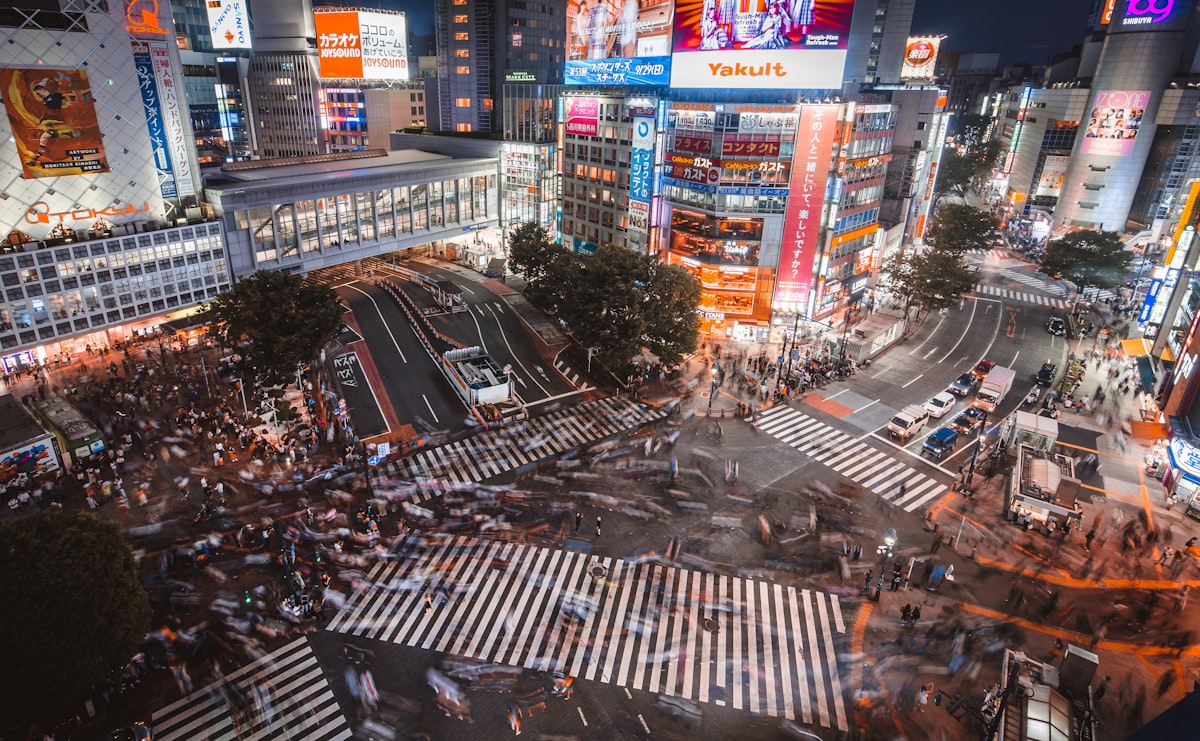
Harajuku's Takeshita Street is the home of Decora, Gothic Lolita, and Harajuku fashion subcultures that influence anime art styles worldwide. Shibuya 109 for contemporary J-culture fashion.
Kiddy Land toy store in Omotesando has 4 floors of Japanese character goods. Tokyu Hands in Shibuya has craft supplies, cosplay accessories, and novelties. Sunday Harajuku is peak cosplay-spotting time.
Kyoto International Manga Museum
Kyoto · Museum / Library
A converted elementary school housing 300,000 manga volumes across three floors. Visitors can pull any manga from the wall shelves and read freely in the courtyard or on the "manga wall" corridors. A peaceful reading haven.
The museum hosts manga creation workshops and live drawing demonstrations. Gift shop has curated artbooks and limited Kyoto-exclusive items. A good rainy-day option between Kyoto's temples.
J-World / Ikebukuro
Tokyo · Anime character district
Ikebukuro is home to Sunshine City's anime events, Animate's flagship store (8 floors), and numerous anime/game cafes. Known especially for manga-targeted at female audiences (reverse harem, BL). Sega arcade in Sunshine City.
Animate Ikebukuro flagship is one of the largest in Japan. Pokemon Center Mega Tokyo is in Sunshine City — worth the ¥700 entry. Character-themed cafes (Gundam, One Piece, etc.) require reservations.
Osaka Den Den Town
Osaka · Anime / electronics district
Osaka's answer to Akihabara — a 4-block stretch of electronics and anime shops in Nipponbashi. Less crowded, similar stock. Strong retro game selection. Several maid cafes and cosplay rental shops.
Combine with a Dotonbori visit. The Namba area around Den Den Town has cheaper figure prices than Tokyo. Joshin Super Kids Land is a 5-floor toy/anime store worth visiting.
Anime Pilgrimage Sites
Various (nationwide) · Location-based tourism (seichi junrei)
Japanese fans visit real-world locations that inspired anime settings. Popular pilgrimages include: Your Name (Hida-Furukawa, Gifu), Demon Slayer (Asakusa, Tokyo), Spirited Away (various), Attack on Titan (Hita, Oita), and Non Non Biyori (Asahi, Chiba).
The Japan National Tourism Organization (JNTO) publishes an official anime pilgrimage map. Local governments actively welcome anime tourists. Bring a copy of the manga/episode screenshot to compare with the real location.
Must-Buy Anime Merchandise in Japan
Limited-edition figures (フィギュア)
Akihabara (Kotobukiya, Mandarake), Nakano Broadway
Japan-exclusive releases from Good Smile Company, Max Factory, and Alter. Prices are retail; resellers inflate them overseas by 300–500%.
Doujinshi (同人誌)
Comiket (twice yearly), Toranoana, Mandarake
Fan-made manga publications available only in Japan. Comiket (Tokyo Big Sight) held in summer and winter draws 200,000+ visitors over 3 days — check dates.
Gacha capsule toys (ガチャ)
Every arcade, Akihabara vending banks, konbini
From ¥200–¥700 per spin. Collect full sets of niche characters. Newest releases only in Japan. Airport duty-free shops stock a limited range.
Artbooks and animation archives
Kinokuniya bookstore, Animate, Amazon Japan
Japan-market artbooks for major franchises often include content cut from international editions. Ship home via Japan Post EMS.
Official character merchandise
Pokemon Center, Nintendo Store, Sanrio flagship
Japan-exclusive plushes, apparel, and collaborations. Nintendo Store (Osaka, Tokyo) and Sanrio Puroland (Tama) have frequent limited releases.
Cosplay costumes and accessories
Cospa (Akihabara), Cure Maid Cafe cosplay rental
Professional-grade costumes and wigs. Rental services let you try a costume for a photo session without buying. Popular in Harajuku and Akihabara.
Unique Anime Experiences
Maid Cafe (メイドカフェ)
Staff dressed as anime maids serve drinks with elaborate greetings and mini-games. A uniquely Japanese experience. Most famous in Akihabara. Budget ¥1,000–¥3,000 including cover charge and a drink.
Maidreamin (multiple locations, English menu) is beginner-friendly.
Anime Theme Cafe / Character Cafe
Temporary pop-up cafes themed to current anime series. Menus, dishes, and decor match the show. Usually run for 4–8 weeks after a series airs. Reservations essential.
Check upcoming cafes at art.cote.shop or nijimen.net before your trip.
Arcade / UFO Catcher
Japanese arcades (game centers) are multi-floor entertainment complexes. Crane games contain new anime figures and plushes. Rhythm games like Taiko no Tatsujin and Dance Dance Revolution are only available in Japan.
Round1 and Taito Game Stations nationwide. Budget ¥500–¥2,000 for crane game attempts.
Manga Kissa (Manga Cafe)
Private booths with all-you-can-read manga, free soft drinks, and internet. Many offer shower facilities and overnight flat-rate packages. A budget accommodation option and an authentic local experience.
Costs ¥300–¥500/hour. 8-hour overnight packages from ¥1,500. Book or walk in.
Studio Ghibli Museum
Pre-booked tickets required — sold via Lawson in Japan or JTB internationally. Opens 10am; time-slot entry. Takes 2–3 hours. The Straw Hat Cafe on-site has Ghibli-themed food.
Book 2–3 months ahead for peak periods. Nearest station: Mitaka (JR Chuo Line).
Stay in Tokyo's Anime Districts
Base yourself in central Tokyo — Akihabara, Akibahara, and Ikebukuro are all on the JR Yamanote Line. A hotel in Shinjuku puts you 5–15 minutes from every major anime district.
Guided Anime & Pop Culture Tours
A knowledgeable guide transforms a shopping district walk into a deep-dive through anime history, subculture context, and hidden stores that casual visitors walk past. Popular options include Akihabara shopping tours, anime pilgrimage day trips, and Ghibli-themed Mitaka walks.
Anime Pilgrimage Quick Reference
| Anime / Film | Location | From Tokyo |
|---|---|---|
| Demon Slayer | Asakusa, Tokyo | 20 min (subway) |
| Your Name | Hida-Furukawa, Gifu | 3 hrs (shinkansen + local) |
| Attack on Titan | Hita City, Oita | 6 hrs (shinkansen) |
| Spirited Away inspiration | Jiufen, Taiwan / Okage Yokocho, Ise | Day trip (Ise: 4 hrs) |
| Princess Mononoke inspiration | Yakushima Island, Kagoshima | 2 hrs flight + ferry |
| Weathering with You | Shinjuku, Tokyo | In Tokyo |
| Non Non Biyori | Asahi, Chiba | 2 hrs (local trains) |
| K-On! inspiration | Toyosato Elementary School, Shiga | 1.5 hrs from Kyoto |
Anime-Friendly Itineraries
Frequently Asked Questions
Do I need to speak Japanese to enjoy anime tourism in Japan?+
Not at all. Major anime stores in Akihabara, Nakano, and Ikebukuro have English-speaking staff or multilingual signage. Studio Ghibli Museum has English audio guides and English exhibit text. Maid cafes in Akihabara (especially Maidreamin) have English menus. For doujinshi or niche items, you may need to point and use a translation app, but that's part of the adventure.
When is Comiket held and how do I attend?+
Comiket (Comic Market) is held twice yearly — summer (late August) and winter (late December) — at Tokyo Big Sight in Odaiba. It's the world's largest fan-made publication event. Admission is ¥2,000 for a day pass (available at convenience stores in Japan from about 2 weeks before the event). Arrive very early — queues start hours before opening. Plan your circle (doujinshi creator) wish-list in advance using the Comiket catalog app.
How do I book Studio Ghibli Museum tickets from overseas?+
Tickets are released monthly and sell out within minutes. International visitors can book via the official JTB website (global.japantravelinfo.com) — tickets go on sale on the 10th of each month for the following month. You can also try to buy same-day tickets at Lawson stores in Japan (rare availability). The museum sells only limited tickets to spread crowd sizes — do not try to go without a booking.
What anime pilgrimage sites are easiest to visit?+
The most accessible pilgrimages are all in or near Tokyo and Kyoto: Asakusa (Demon Slayer, Spirited Away inspiration) is a 5-min subway from central Tokyo; Yanaka district (various slice-of-life anime) is walkable from Nippori; Fushimi Inari (Inari shrines appear in dozens of anime) is 10 minutes from Kyoto Station; Harajuku (various fashion anime) is on the Yamanote Line. The Your Name pilgrimage to Hida-Furukawa (Gifu) requires a 2-hour limited express train from Nagoya — a dedicated day trip.
Is there a Japan anime tourism pass or discount card?+
There is no single anime tourism pass, but the Tokyo Metro 24/48/72-hour pass (¥600–¥1,500) covers trips between Akihabara, Ikebukuro, Harajuku, and Shibuya efficiently. The Suica/Pasmo IC card works on all trains and buses nationwide. Studio Ghibli Museum does not offer group discounts. Anime stores occasionally offer a 10% tourist discount on presentation of your passport — ask at the tax-free counter.
Can I bring anime merchandise back to my home country?+
Most merchandise — figures, manga, artbooks, clothing — is fine to import. However, some doujinshi with explicit content may be seized by customs in certain countries (particularly Australia and some EU nations). Lithium batteries in electronics have airline carry-on restrictions. Large figures should be packed carefully in carry-on if possible. Gacha capsules and soft goods (plushes) are the easiest to travel with.
Ready to plan your anime Japan adventure?
Get a personalised Japan itinerary with Akihabara, Studio Ghibli, anime pilgrimage sites, and the best otaku experiences built in.
Plan My Japan Trip →Found this guide useful? Share it: