JapanFlow AI
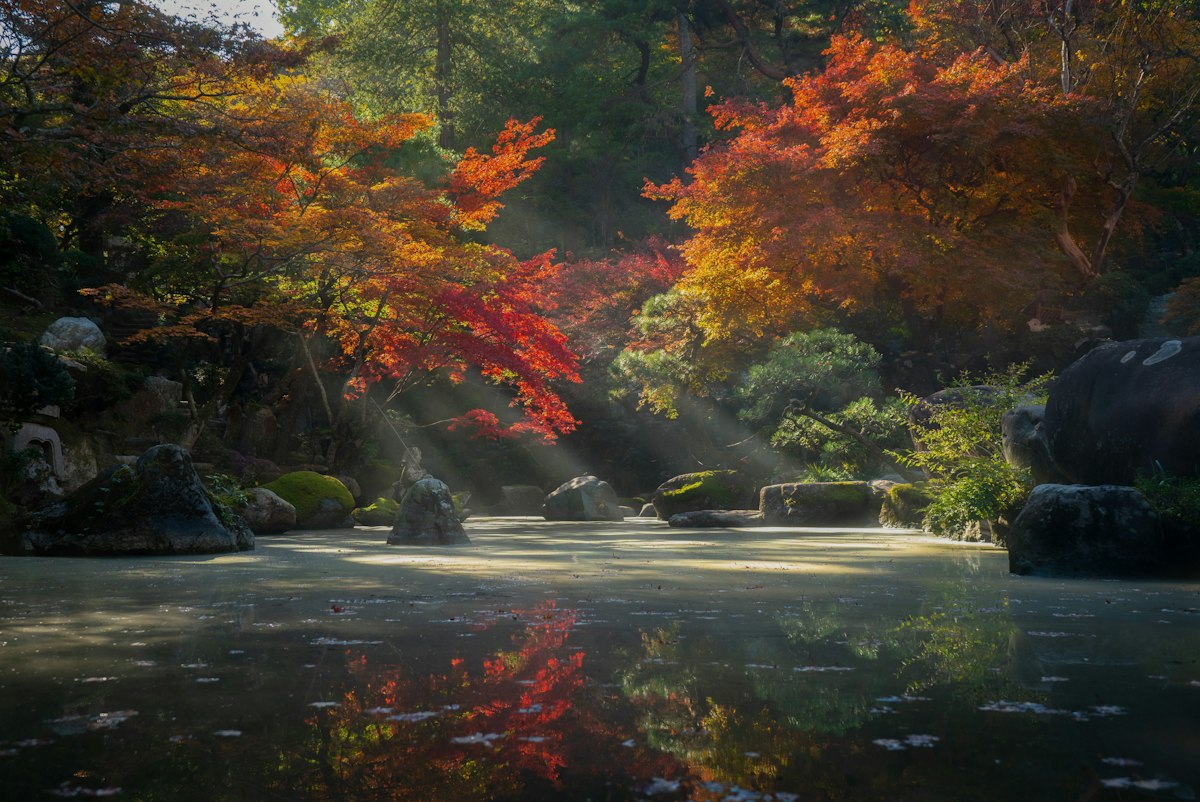
Brilliant red and orange autumn leaves in a Japanese temple garden

Japan Autumn Leaves Guide 2026

Japan's koyo (autumn foliage) season transforms the country into a tapestry of crimson, gold, and orange. From Hokkaido's sweeping mountain forests in October to Kyoto's maple-draped temples in late November, Japan offers some of the world's most spectacular autumn scenery. This guide covers peak timing by region, the best viewing spots, and how to plan around Japan's beloved seasonal tradition.

Find Hotels for Koyo Season in Kyoto

Kyoto accommodation books out months in advance for November koyo season. Secure your stay at a ryokan or hotel near the best maple-viewing temples.

Koyo: Japan's Autumn Foliage Season Explained

Koyo (紅葉, literally "crimson leaves") is Japan's autumn foliage season — one of the most celebrated natural events in the Japanese calendar, rivaling cherry blossom (sakura) season in cultural importance. As temperatures drop after summer, deciduous trees transform into brilliant shades of red, orange, and gold, drawing millions of Japanese and international visitors to forests, temples, and mountain parks.

Key Koyo Trees

  • • Momiji (Japanese maple, 紅葉): The star of koyo — brilliant scarlet and crimson, found at most temples and gardens
  • • Icho (ginkgo, 銀杏): Turns butter yellow in November; famous avenues in Tokyo (Jingu Gaien), Kyoto, and Osaka
  • • Nara oak (ナラ): Turns orange-brown in mountain forests; common in Nikko and Hokkaido
  • • Japanese rowan (ナナカマド): Deep red in Hokkaido highlands; earliest color change

The word "momijigari" (紅葉狩り, "maple viewing") describes the centuries-old tradition of going out specifically to appreciate autumn colors — mirroring "hanami" (flower viewing) for cherry blossoms. Temples and parks hold special extended hours and illumination events during peak koyo, making evenings as beautiful as daytime.

When Do Autumn Leaves Peak? Region-by-Region Guide

Hokkaido: Early–Mid October

Japan's northernmost island sees the first koyo. Daisetsuzan National Park peaks late September to early October; Sounkyo Gorge peaks mid-October. Noboribetsu and Jozankei spa resort areas peak late October. Hokkaido's broad mixed forests of birch, oak, and maple produce dramatic color spreads across mountain valleys.

Nikko / Tohoku: Mid–Late October

Nikko's Irohazaka road, Lake Chuzenji, and Kegon Falls area typically peak mid to late October — 2–3 weeks before Tokyo and Kyoto. Tohoku mountain resorts (Zao, Hachimantai) follow a similar schedule. This early timing means Nikko can be combined with a Tokyo stay before heading to Kyoto later in November. Our 7-day Japan koyo itinerary maps a complete Hokkaido–Nikko–Kyoto autumn foliage route.

Tokyo: Mid-November

Tokyo's warmer urban climate delays koyo to mid-November for most central spots. Shinjuku Gyoen, Koishikawa Korakuen, Rikugien (famous for its lit weeping maple), and Meiji Jingu Gaien's ginkgo avenue all peak around November 15–25. Evening illuminations at Rikugien extend the viewing experience.

Kyoto: Mid-November to Early December

Kyoto typically peaks November 20 – December 5, though timing shifts 1–2 weeks with each year's weather. This is the most popular koyo destination — accommodation books out months in advance. Weekday visits are strongly recommended over weekends. Morning visits (before 9am) avoid the worst crowds at Eikan-do and Tofukuji.

Hiroshima / Western Japan: Late November

Hiroshima's Momijidani Park (within Miyajima island) peaks late November — the name literally means "maple valley." Combined with the iconic floating torii gate, it is one of Japan's most dramatic autumn scenes. Okinawa does not experience significant koyo due to its subtropical climate.

Best Autumn Leaf Spots in Kyoto

Eikan-do Zenrinji

Kyoto's most famous koyo temple. Maple trees line the covered corridors and pond garden. Admission: ¥600. Special evening illumination (17:30–21:00) during peak season. Very crowded on weekends — arrive at opening (9:00) or during evening illumination for best experience.

Tofukuji Temple

The Tsutenkyo Bridge spanning a maple-filled valley is one of Kyoto's most photographed autumn scenes. Admission: ¥500. Evening illumination held during peak weeks. Less expensive than Eikan-do, but equally crowded. The Hojo garden features maple-moss contrast.

Arashiyama: Tenryu-ji

Tenryu-ji's Sogenchi garden (¥500) surrounds the famous Borrowed Scenery garden with autumn maples framing Arashiyama mountain. Combine with the bamboo grove and Togetsukyo Bridge for a full Arashiyama autumn day. Early morning (before 8:30) offers the grove and bridge without crowds.

Fushimi Inari (Free)

The famous vermillion torii gate tunnels are free and open 24 hours. While not primarily a koyo destination, the surrounding mountain forests turn beautiful colors in November. The upper mountain sections above the main gate crowds offer quiet autumn forest walks with city views. Less crowded than Kyoto's paid gardens.

Kyoto Koyo Planning Tips

Book accommodation minimum 2 months ahead. Visit main spots on weekdays if possible. The Kyoto City Bus 1-day pass (¥700) covers most koyo spots. Eikan-do and Tofukuji are walking distance from Keage and Tofukuji stations respectively on the Keihan and Kintetsu lines.

Nikko and Hokkaido: Early Autumn Destinations

Nikko: UNESCO Temples in Autumn Color

Nikko in Tochigi Prefecture combines UNESCO World Heritage shrines (Toshogu, Rinno-ji, Futarasan) with stunning mountain autumn foliage. The Irohazaka winding road (48 hairpin bends through maple and birch forest) leads to Lake Chuzenji and Kegon Falls. Peak: mid to late October. Access: Tobu Limited Express from Asakusa (1h40, ¥1,360). Best for a 2-day trip from Tokyo.

Hokkaido: Japan's Most Dramatic Koyo

Hokkaido's vast landscapes produce Japan's most spectacular autumn color — sweeping mountain ranges turning from deep green to red and gold. Daisetsuzan National Park (Japan's largest) peaks late September; Sounkyo Gorge and Jozankei Onsen follow in mid-October. Combine with crab and seafood cuisine in Sapporo for the ultimate Hokkaido autumn trip.

Noboribetsu Onsen: Koyo + Hot Springs

Noboribetsu in Hokkaido is one of Japan's premier onsen resorts — the sulfuric steam of Jigokudani (Hell Valley) against a backdrop of autumn forest is a dramatic combination. Peak: mid to late October. Access: 80 minutes by bus from Shin-Chitose Airport. Many large onsen hotels offer full-board packages for koyo season.

Practical Tips: Crowds, Illuminations, and Koyo Forecasts

Reading Koyo Forecasts

  • • Japan Meteorological Corporation publishes forecasts from September
  • • Tenki.jp and Weather News apps have koyo tracker maps
  • • 色づき始め (irozukihajime): color beginning (20–30%)
  • • 見頃 (migoro): peak viewing (70–80% color change)
  • • 落葉 (rakuyo): leaves falling (past peak)

Avoiding Crowds

  • • Visit popular spots before 9:00am or after 4:00pm
  • • Weekdays are significantly less crowded than weekends
  • • Evenings during illumination events are surprisingly uncrowded
  • • Free spots (Fushimi Inari, temple grounds) are better mid-week
  • • One week before peak is beautiful and less crowded than full peak

Koyo Illumination Events

Many major temples and parks hold special evening illumination (라이트업, raitoappu) during peak koyo. Notable events: Rikugien Garden Tokyo (18:00–21:00, ¥700), Eikan-do Kyoto (17:30–21:00, ¥600), Kiyomizudera Kyoto (evening illumination, ¥400). These events are ticketed separately from daytime admission and require advance booking during peak weeks.

Frequently Asked Questions

When is koyo (autumn foliage) season in Japan?▼
Koyo progresses north to south: Hokkaido peaks early to mid-October; Nikko and Tohoku mid to late October; Tokyo mid-November; Kyoto mid-November to early December; Hiroshima and western Japan late November to early December. Peak timing varies by 1–2 weeks annually depending on that year's weather patterns.
What are the best places to see autumn leaves in Kyoto?▼
Top Kyoto koyo spots: Eikan-do Zenrinji (¥600, renowned maples), Tofukuji Temple (¥500, Tsutenkyo Bridge), Arashiyama Tenryu-ji (¥500), Kinkaku-ji Golden Pavilion, and Fushimi Inari (free). Eikan-do and Tofukuji hold special evening illumination events. Book accommodation at least 2 months ahead for November visits.
How do I read a koyo forecast?▼
Japan Meteorological Corporation and apps like Tenki.jp publish koyo forecast maps from September. Key terms: 色づき始め (irozukihajime) = color beginning (20-30%); 見頃 (migoro) = peak viewing (70-80%); 落葉 (rakuyo) = past peak/falling. Forecasts are updated weekly as weather patterns shift, so check frequently closer to your travel dates.
Is Nikko worth visiting for autumn leaves?▼
Nikko is one of Japan's top three koyo destinations. The Irohazaka winding road (48 hairpins through maple forest), Lake Chuzenji, and Kegon Falls combined with UNESCO World Heritage shrines create exceptional scenery. Peak timing is mid to late October — 2–3 weeks before Kyoto — allowing a combined Tokyo/Nikko/Kyoto itinerary.
Should I book accommodation in advance for koyo season?▼
Yes — book 2–3 months ahead for Kyoto in November, Nikko in late October, and Hokkaido in early October. These periods sell out quickly, especially on weekends, with prices rising 20–50% above normal rates. Weekday visits are significantly less crowded and often substantially cheaper than weekends.
When is the best time for koyo in Japan in 2026?▼
For autumn 2026, forecasts point to Hokkaido (Daisetsuzan, Sounkyo) peaking around October 5–15; Nikko around October 18–28; Tokyo mid-November (15–25); Kyoto late November to early December (Nov 20–Dec 5). A warmer 2026 summer may push Kyoto peak 3–5 days later than average. Monitor Tenki.jp and Weather News for weekly updates from late September onward.
Kyoto vs Nikko: which is better for autumn leaves?▼
Both are exceptional but very different. Kyoto (late November–early December) pairs maples with ancient temple architecture — Eikan-do, Tofukuji, Arashiyama — and evening illuminations; it is more crowded and pricier. Nikko (mid–late October) offers UNESCO shrines amid dramatic mountain forest along Irohazaka road and Lake Chuzenji, with fewer crowds and lower prices. Ideally visit both: Nikko as a day trip from Tokyo in late October, Kyoto in late November. If you must choose one, pick Nikko for wilder mountain color and Kyoto for iconic temple atmosphere.
How do I get from Tokyo to Nikko for a koyo day trip in 2026?▼
The easiest option is the Tobu Limited Express (Spacia or Revaty) from Asakusa Station directly to Nikko Station — about 1h50m, ¥1,360 one way plus ¥1,020 limited express surcharge. Trains run roughly every 30–60 minutes starting from 07:30. Buy tickets at the Tobu Asakusa Station counter or in advance online. Alternatively, JR Pass holders can take the Shinkansen to Utsunomiya (50 min) then the JR Nikko Line to Nikko Station (45 min). For koyo 2026, aim for a weekday visit in mid-to-late October — weekend trains sell out and Nikko Station area becomes very crowded. An early start (arrive Nikko by 09:00) lets you see the Irohazaka road and Lake Chuzenji before afternoon tour buses arrive.
What should I pack for Japan koyo (autumn leaves) season?▼
Layer up — Japanese autumn weather swings 10–15°C between morning and midday. Essentials: lightweight down jacket or fleece (mornings at temples can be 5–10°C in November Kyoto), comfortable walking shoes (temple gardens have uneven stone paths), a compact umbrella (November is one of Kyoto's rainier months), and a small backpack for camera gear and a packed lunch. For Nikko in October, add a warm hat and gloves — Lake Chuzenji sits at 1,270m elevation and temperatures can drop to near freezing by late October. Cash is still king at smaller temple admission booths; bring ¥5,000–10,000 in small notes.
Which koyo spots near Osaka are best for 2026?▼
Minoh Park (箕面公園) is Osaka's top koyo destination — a 2.8km forest valley trail lined with 3,000+ maple trees, typically peaking late November. Take the Hankyu Minoh Line from Hankyu Umeda Station (28 min, ¥270) to Minoh Station and walk 2.5km up to Minoh Waterfall. Osaka Castle Park also shows vivid autumn color around its moats, peaking mid-November to early December. For nearby day trips: Nara (45 min by Kintetsu or JR from Osaka) offers serene koyo at Yoshikien garden (free entry, beautiful pond reflections) and Kasuga Taisha forest from mid-November; Arashiyama in Kyoto (75 min from Osaka) pairs Tenryu-ji garden maples with the Sagano bamboo grove for a premium full-day koyo experience.
What is the best 7-day Japan autumn leaves itinerary for late November 2026?▼
For late November 2026 (around Nov 20–29), Kyoto and the Osaka region are at peak koyo. Suggested 7-day itinerary: Day 1 — arrive Osaka (Kansai Airport), check in; Day 2 — Minoh Park morning, Osaka Castle Park afternoon; Day 3 — day trip to Nara (Yoshikien garden, Isui-en garden, Kasuga Taisha forested approach); Day 4 — Kyoto: Tofukuji Temple (famous Tsutenkyo Bridge), Fushimi Inari afternoon; Day 5 — Kyoto: Eikan-do evening illumination (¥600), Philosopher's Path maple walk; Day 6 — Kyoto: Arashiyama Tenryu-ji garden, Kinkaku-ji, Ryoan-ji; Day 7 — Shinkansen to Tokyo (2h15m), afternoon stroll in Hamarikyu Gardens, then evening departure. Book Kyoto accommodation for Days 4–6 at least 3 months in advance — November weekends sell out fastest. A 7-day JR Pass covers the Osaka–Kyoto–Tokyo Shinkansen legs.
Where can I see Japan's earliest autumn leaves in September and October 2026?▼
Hokkaido offers Japan's first koyo every year. Daisetsuzan National Park (Asahidake Ropeway area) traditionally records Japan's first turning leaves — often mid-September at elevations above 1,600m. Sounkyo Gorge's 24km maple-lined canyon peaks in early to mid-October and shows early color from late September. Towada-Hachimantai National Park in Tohoku also shows early color by late September, accessible from Morioka. For September visitors: pack warm layers (mornings at Sounkyo can reach 5°C) and expect higher elevation spots to peak 2–3 weeks before low-elevation temple gardens. Logistics: Asahikawa Airport (from Tokyo: 1h30m flight) is the practical gateway to Daisetsuzan and Sounkyo.
What is Japan's koyo 2026 forecast compared to an average year?▼
Japan Meteorological Corporation's autumn 2026 koyo outlook (published late September 2026) points to a near-average to slightly late season across most of Honshu. A warmer-than-average August delayed the onset of autumn cooling in the Kyoto–Osaka region, pushing the expected Kyoto peak window to approximately November 22–December 5 — roughly 2–3 days later than the long-term average. Hokkaido and Tohoku are tracking close to historical averages. For comparison, Kyoto's 2025 peak ran November 18–28; 2026 looks very similar with a slight late shift. Practical tip: monitor weathernews.jp and tenki.jp's koyo tracker weekly from late September — forecasts are refined as actual temperatures are recorded and can shift the predicted peak by up to a week.
What are the best free autumn leaves spots in Japan in 2026?▼
Several of Japan's finest koyo locations are free to enter. Fushimi Inari Taisha (Kyoto, open 24 hours) has forested mountain trails in vivid autumn color in November — the upper slopes above the main gate avoid the worst crowds. Maruyama Park in Kyoto (free) surrounds Yasaka Shrine with mature maple and ginkgo trees peaking mid-to-late November. In Tokyo, the Meiji Jingu Gaien ginkgo avenue (146 trees, free) typically peaks November 20–30. For Nikko: the Kanmangafuchi Abyss riverside walk, lined with autumn maples and stone Jizo statues, is free and far less crowded than the UNESCO shrine precinct. In Osaka, Osaka Castle Park's moat-side paths and the lower Minoh Valley trail are free. Most national park forest trails — including Sounkyo Gorge in Hokkaido — offer spectacular koyo without admission fees.
What are the best autumn leaves spots in Tokyo in 2026?▼
Tokyo's top koyo spots for autumn 2026 (expected peak mid-to-late November): Rikugien Garden (¥300, Komagome Station) — the weeping maple evening illumination (18:00–21:00, ¥700) is one of Tokyo's most photographed autumn scenes; Shinjuku Gyoen (¥500) — 1,000 maples and ginkgos across 58 hectares; Koishikawa Korakuen Garden (¥300, Iidabashi Station) — one of Tokyo's oldest Edo-period gardens with exceptional autumn color; Meiji Jingu Gaien ginkgo avenue (free) — 146 trees typically peaking November 20–30; Hamarikyu Gardens (¥300) — tidal garden with autumn maples and Tokyo Skytree views. Tokyo koyo in 2026 is forecast to peak around November 15–25. Arrive at gardens at opening (9:00) or late afternoon (after 15:30) to beat midday crowds.
What are Japan's best autumn leaves illumination events in November 2026?▼
Evening illumination events (ライトアップ, raitoappu) transform koyo viewing into a magical nighttime experience. Key 2026 events: Rikugien Garden Tokyo (approximately Nov 1–Dec 1, 18:00–21:00, ¥700); Eikan-do Temple Kyoto (mid-November through early December, 17:30–21:00, ¥600 — separate from daytime admission); Tofukuji Temple Kyoto (illumination during peak weeks, evening, ¥500); Kiyomizudera Kyoto (three evening sessions in mid-November, ¥400, advance tickets strongly recommended); Arashiyama Hanatouro lantern festival Kyoto (mid-December, free). Exact 2026 dates are announced in early October based on forecast peak timing — check each temple's official website. Evening illumination events are surprisingly uncrowded compared to midday weekend visits, and lit maple canopies reflected in garden ponds make them worth the separate admission.

Book Your Kyoto Koyo Stay

Experience Kyoto's maple temples at their autumn peak — from ryokan near Eikan-do to modern hotels in the city center.