Tokyo Neighborhoods Guide 2025–2026
8 districts explained — where to stay, what to do & how to choose
Tokyo is not one city — it's 23 special wards and hundreds of neighborhoods
Each Tokyo district has a completely distinct personality: Asakusa feels like the Edo era while Harajuku feels like a manga come to life. The right neighborhood for you depends entirely on what you want from your Tokyo trip. This guide breaks down the 8 most important neighborhoods for visitors, with hotel booking CTAs for each.
Which Neighborhood Suits You?
| Traveler Type | Best Neighborhood | Why |
|---|---|---|
| First-time visitor | Asakusa + Shinjuku | Traditional temples, iconic skyline, and central transport access |
| Luxury travel | Ginza or Roppongi | Flagship stores, Michelin restaurants, and 5-star hotels |
| Youth / backpacker | Shimokitazawa or Ueno | Budget accommodation, indie culture, youth hostels |
| Family with children | Asakusa or Odaiba | Safe, cultural, kid-friendly attractions nearby |
| Anime & gaming fan | Akihabara | Every anime/game/manga shop within walking distance |
| Nightlife seeker | Shinjuku or Roppongi | 24-hour entertainment, clubs, and bars |
| Fashion lover | Harajuku or Shibuya | Trend-setting street fashion and global luxury brands |
| Business travel | Marunouchi or Roppongi | Near corporate districts, upscale hotels, business amenities |
8 Tokyo Neighborhoods in Detail
Shinjuku
The Non-Stop City Within a City
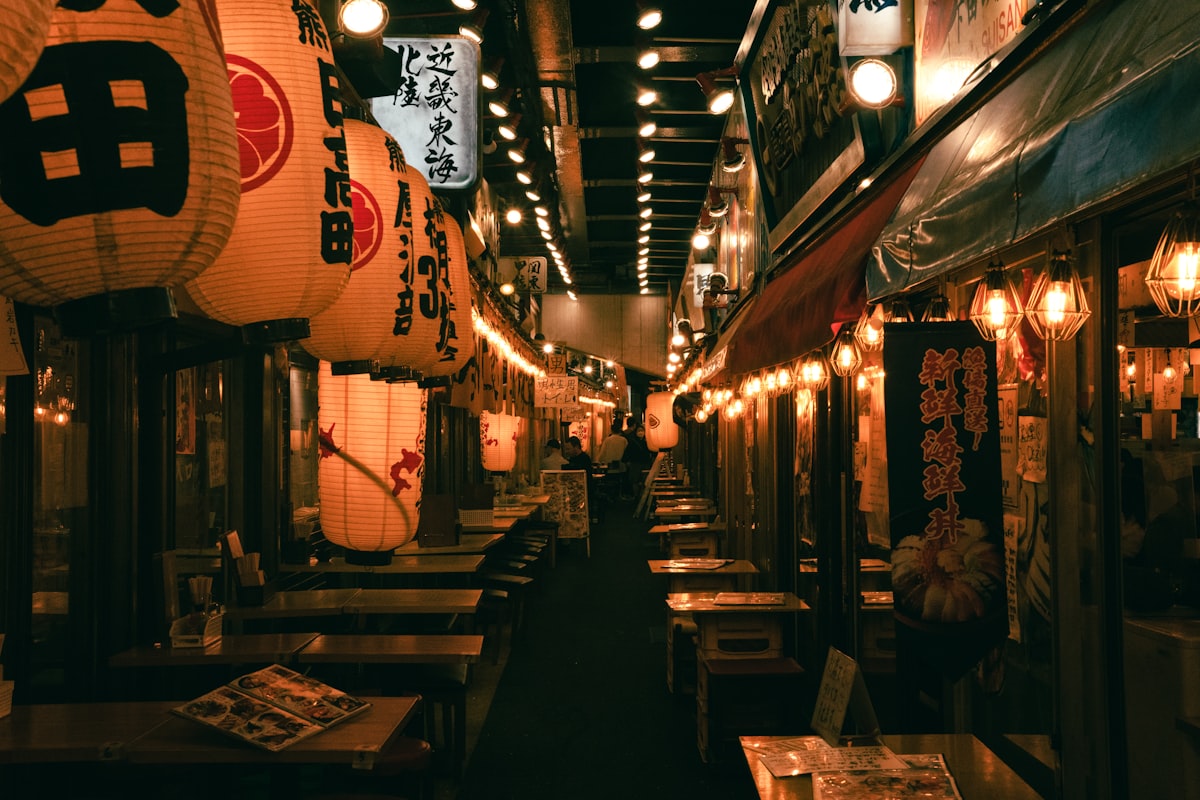
Home to the world's busiest train station (3.64 million daily passengers), Kabukicho entertainment district, Golden Gai bar alley, Omoide Yokocho (Memory Lane), and Shinjuku Gyoen garden. It never sleeps — restaurants, bars, and karaoke operate past 5am.
Best For
- •First-time visitors (central transport hub)
- •Nightlife seekers
- •Budget travelers
- •Shopping
Must-Do
- •Gaze from Tokyo Metropolitan Government Building (free)
- •Explore Golden Gai (80+ tiny bars)
- •Visit Shinjuku Gyoen garden
- •Experience Kabukicho at night
Shibuya
The Crossroads of Youth Culture
Famous for the Shibuya Crossing (world's busiest pedestrian crossing), Shibuya 109 fashion mall, and a dense concentration of clubs, bars, and restaurants. Harajuku is a short walk away. The Shibuya Sky rooftop observation deck offers unbeatable views.
Best For
- •Shoppers & fashion lovers
- •Young travelers
- •Club/bar scene
- •Photography
Must-Do
- •Cross Shibuya Crossing (especially Friday night)
- •Visit Shibuya Sky observation deck
- •Browse Shibuya 109
- •Find the Hachiko statue at the station
Asakusa
Old Tokyo's Living Heart
Tokyo's most traditional district, home to the 7th-century Senso-ji Temple, Nakamise Shopping Street, rickshaw rides, and the city's oldest bars and restaurants. The district survived WWII bombing, preserving an authentic Showa-era atmosphere.
Best For
- •First-time Japan visitors
- •Culture seekers
- •Photographers
- •Families
Must-Do
- •Visit Senso-ji Temple at dawn (before crowds)
- •Rent a kimono and explore
- •Shop Nakamise-dori for souvenirs
- •Take a Sumida River cruise
Harajuku & Omotesando
Fashion Extremes from Kawaii to Luxury
Harajuku's Takeshita Street is the epicenter of Japanese street fashion — cosplay, Lolita, kawaii, and experimental style. A 10-minute walk away, Omotesando is Tokyo's answer to the Champs-Élysées, with flagship stores for every global luxury brand.
Best For
- •Fashion and design lovers
- •Shoppers (both budget and luxury)
- •Instagram and photography
- •Young travelers
Must-Do
- •Explore Takeshita Street
- •Visit Meiji Jingu shrine (free)
- •Walk Omotesando boulevard
- •Spot the Prada, Hermès, and Tod's Tokyo buildings (architectural icons)
Akihabara
Anime, Electronics & Otaku Paradise
Japan's most famous electronics and anime district — 8-story retro game shops, maid cafés, manga stores, arcade centers, and neon-lit streets dedicated to every subculture. Even non-anime fans find it fascinating.
Best For
- •Anime, manga, and gaming fans
- •Tech and electronics shoppers
- •Subculture explorers
Must-Do
- •Visit Yodobashi Akiba (10-story electronics megastore)
- •Experience a maid café
- •Browse Super Potato for retro games
- •Visit Radio Kaikan for doujin and figures
Ginza
Tokyo's Most Prestigious Address
Tokyo's equivalent of Fifth Avenue or Rue du Faubourg Saint-Honoré. Every major international luxury brand has its Tokyo flagship here, alongside the famous Itoya stationery store, Kabukiza Theatre, Tsukiji Outer Market, and Michelin-starred restaurants.
Best For
- •Luxury shoppers
- •High-end dining seekers
- •Art and theatre lovers
- •Business travelers
Must-Do
- •Walk Chuo-dori on Sunday (car-free pedestrian street)
- •Visit Kabukiza Theatre
- •Explore Tsukiji Outer Market for breakfast
- •Browse Itoya 12-story stationery store
Roppongi
Art Museums by Day, Clubs by Night
A fascinating dual personality: home to three world-class art museums (Mori Art, National Art Center, Suntory Museum), and one of Tokyo's most famous nightlife clusters. Roppongi Hills is a city-within-a-city with shops, restaurants, and a 54-story tower with panoramic views.
Best For
- •Art and museum lovers
- •International visitors (very international district)
- •Nightlife (bars and clubs until 6am)
- •Mori Building observation deck
Must-Do
- •Visit Mori Art Museum (incredible view from Tokyo City View)
- •National Art Center (free architectural landmark)
- •Club/bar hop on Friday night
- •TeamLab Planets (immersive digital art, 20 min by taxi)
Shimokitazawa
Tokyo's Indie / Bohemian Soul
Far from the tourist trail, Shimokitazawa is where Tokyo's artists, musicians, and young creatives gather. Cramped with vintage clothing shops, live music venues, indie cafés, theatre companies, and secondhand bookstores — it feels nothing like the rest of Tokyo.
Best For
- •Independent travelers
- •Music and live performance fans
- •Vintage fashion
- •Those who want to see "real" Tokyo
Must-Do
- •Browse vintage shops along Ichiban-gai and Niban-gai
- •See a live band at a small venue (shimokita has 30+ live houses)
- •Have coffee at a tiny indie café
- •Visit Honda Theatre or Suzunari for underground theatre
Book Hotels in Tokyo's Top Neighborhoods
Search hotels in your preferred district across all 3 major booking platforms.
Tokyo Neighborhood Walking Tours
Explore Tokyo's neighborhoods with a local guide — hidden alleys, local food, and stories you'd never find alone.
Frequently Asked Questions
What is the best neighborhood to stay in Tokyo for first-time visitors?
Shinjuku and Asakusa are the top picks for first-timers. Shinjuku has the best transport connections to everywhere in Tokyo, while Asakusa gives the most authentic traditional experience. Both are well-served by English signage.
How do Tokyo neighborhoods connect by train?
Tokyo's train network is exceptional — most major neighborhoods are connected by 15–30 minute journeys. The JR Yamanote Line loops through Shinjuku, Shibuya, Harajuku, and Akihabara. Subway lines reach Asakusa, Ginza, and Roppongi. Day passes (¥800–¥1,500) let you travel freely.
Is it safe to walk between Tokyo neighborhoods at night?
Tokyo is one of the world's safest major cities. Walking between neighborhoods at night is very safe — even alone, even as a woman. The main concern is getting lost in a maze of streets, so download Google Maps offline.
How far is Shinjuku from Akihabara?
By train: about 15–20 minutes (JR Chuo Line, ¥200). By taxi: 20–30 minutes depending on traffic (¥2,000–¥3,000). Most Tokyo neighborhoods are within 30 minutes of each other by train.
Which Tokyo neighborhood is cheapest for accommodation?
Ueno, Asakusa, and Akihabara generally have the most affordable accommodation — good capsule hotels and business hotels from ¥4,000–¥8,000/night. Shinjuku has budget options in the Kabukicho area. Harajuku, Ginza, and Roppongi are most expensive.
Is one week enough to explore Tokyo neighborhoods?
One week lets you see the main districts comfortably — spend half-days in different neighborhoods rather than trying to rush. The standard tourist route covers: Asakusa → Ueno → Akihabara (Day 1-2), Harajuku → Shibuya → Roppongi (Day 3-4), Shinjuku (Day 5), Ginza → Odaiba (Day 6), day trip (Day 7).