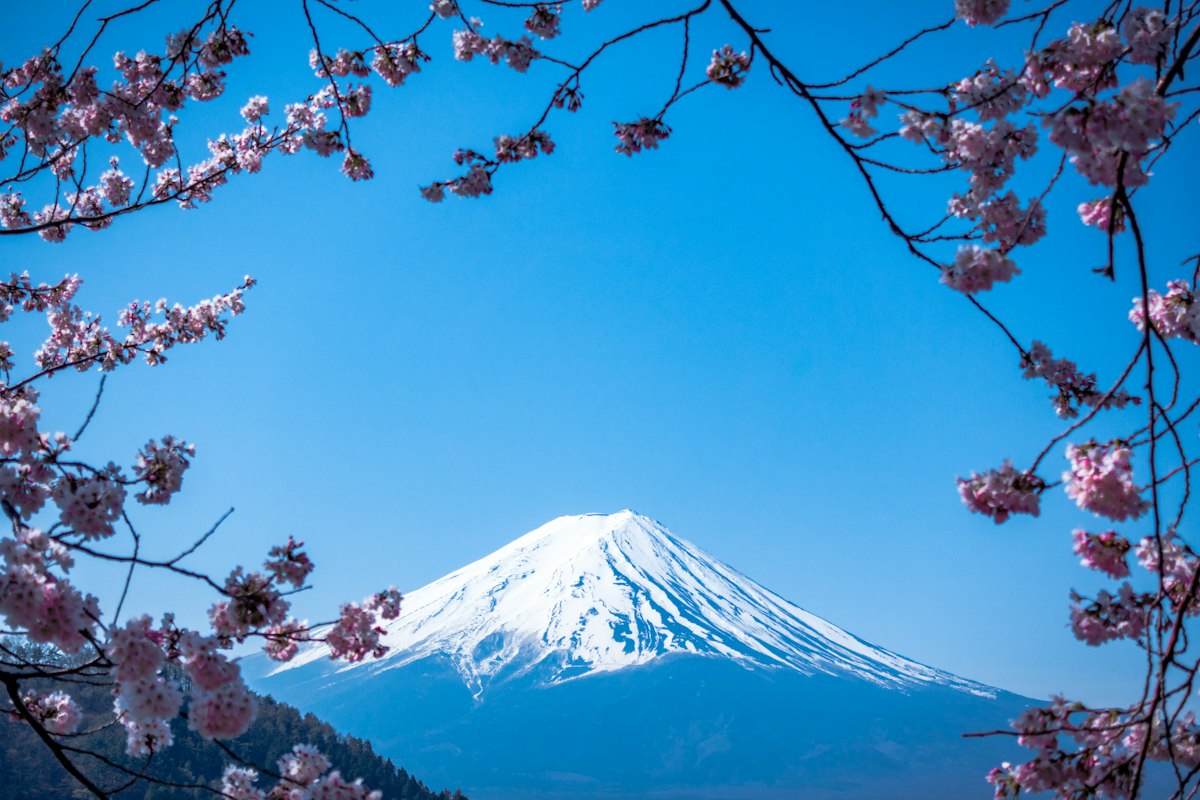
Hakone Travel Guide
Mt. Fuji views, volcanic valleys, open-air art, and rejuvenating hot spring ryokan — the perfect day trip or overnight escape from Tokyo.
Hakone is Japan's most accessible mountain escape — a volcanic national park just 85 minutes from Tokyo by the scenic Romancecar express. The region offers an extraordinary combination of natural wonders: active volcanic valleys with steaming vents, the iconic silhouette of Mt. Fuji above Lake Ashi, and over 20 distinct onsen areas fed by geothermal springs. Whether you come for a day trip covering the famous Round Course or stay overnight in a traditional ryokan with kaiseki dinner, Hakone delivers the quintessential Japan experience.
Top Attractions in Hakone
Hakone Open Air Museum
彫刻の森美術館Japan's first open-air art museum (established 1969), displaying 120+ sculptures by Picasso, Rodin, Henry Moore, and others across 7 hectares of beautifully landscaped hillside. The Picasso Pavilion inside houses 300+ works. A steaming hot spring foot bath (無料足湯) in the garden lets you soak while admiring sculptures — one of Japan's most enjoyable museum experiences.
Owakudani Volcanic Valley
大涌谷A dramatic active volcanic crater from the 3,000-year-old eruption of Mt. Hakone — sulphurous steam vents, boiling hot springs, and grey volcanic rock. The famous kuro-tamago (black eggs) are hard-boiled in the volcanic hot springs until their shells turn black — local legend says eating one adds 7 years to your life. The Hakone Ropeway passes directly over the crater.
Hakone Ropeway
箱根ロープウェイA spectacular 4km gondola ride crossing the volcanic mountains of the Hakone area — over the steaming Owakudani crater, past Ubako hot spring area, and down to Lake Ashi at Togendai. On clear days, Mt. Fuji appears on the horizon. The full ropeway takes about 25 minutes and is a highlight of the Hakone Round Course.
Lake Ashi
芦ノ湖An 8km crater lake formed after a volcanic eruption 3,000 years ago. On clear days, the iconic view of Mt. Fuji reflected in Lake Ashi is one of Japan's most photographed images. The lake has a pirate ship cruise (sightseeing ferry) between Hakone-machi, Moto-Hakone, and Togendai, passing the red Hakone Shrine torii gate emerging from the water.
Hakone Shrine
箱根神社A major Shinto shrine nestled in a cedar forest on the slopes above Lake Ashi, founded in 757 AD. The most photogenic feature is the vermilion torii gate that appears to rise from Lake Ashi, making it a popular photography spot especially at dawn. The main shrine buildings are impressive cedar-surrounded structures connected by steep stone stairways.
Gotemba Premium Outlets
御殿場プレミアム・アウトレットJapan's largest outlet mall sits at the foot of Mt. Fuji with 300+ shops including Japanese and international fashion brands. The unique feature: Mt. Fuji rises dramatically behind the entire shopping complex, visible on clear days from virtually every point in the mall. About 30 minutes from central Hakone.
Pola Museum of Art
ポーラ美術館One of Japan's finest private art museums, housing 9,500+ works in a remarkable building embedded in a forested hillside. The Pola Collection spans Monet, Renoir, Cézanne, Picasso, and a strong Impressionist focus alongside Japanese masters. The architecture (glass and stone, designed to minimize disruption to the natural forest) is itself an attraction.
Hakone Onsen
箱根温泉Hakone has over 20 onsen (hot spring) areas, fed by the volcanic activity throughout the Hakone caldera. Hot spring water flows naturally from the mountains, ranging from sulfurous milky-white baths at Owakudani to crystal clear sodium chloride springs at Hakone-Yumoto. A ryokan stay with private onsen or open-air (rotenburo) bath is the quintessential Hakone experience.
Top Hakone Experiences
Hakone Round Course
MUST TRY箱根ロープウェイ周遊
The classic Hakone day trip loop — Hakone-Yumoto → Tozan Train → Gora → Cable Car → Sounzan → Ropeway → Owakudani → Lake Ashi (boat) → Moto-Hakone → Bus back to Hakone-Yumoto. The full loop takes 6–8 hours and uses 6 different transport modes — a highlight in itself.
Onsen Ryokan Stay
MUST TRY旅館滞在
Staying overnight at a traditional ryokan — sleeping on futon, wearing yukata robes, kaiseki dinner served in your room, and private or communal onsen baths overlooking the mountains or lake. This is the most authentic way to experience Hakone and Japanese hospitality.
Mt. Fuji Sunrise Viewing
MUST TRY富士山ご来光
Hakone is one of the best places to see Mt. Fuji in Japan. The clearest views happen in winter (December–February) and early morning before clouds form. For the iconic reflection shot, position yourself at Lake Ashi or find a high-point vantage.
Hakone Marquetry Craft Experience
旅の工芸体験
Hakone's historic craft tradition centers on Hakone marquetry (寄木細工 yosegi-zaiku) — intricate wooden puzzle boxes and decorative objects made by layering different woods. Dozens of workshops in the Odawara and Hakone area offer both shopping and try-your-own experiences.
Yumoto Sake & Onsen Manju Tasting
温泉まんじゅう・地酒
Hakone-Yumoto village has several sake breweries and sweet shops selling onsen manju (steamed sweet buns) — made using the natural hot spring water. The manju are warm, soft, and mildly sweet. Local sake brewed with spring water completes the village experience.
Hakone Checkpoint Museum
箱根関所
The Hakone Checkpoint (Hakone Sekisho) was one of the most important barriers on the Tokaido highway during the Edo period — guarding the approach to Edo (Tokyo). The beautifully reconstructed gatehouse, guardrooms, and interrogation room are surrounded by the historic cedar avenue of Moto-Hakone.
Getting to Hakone
From Tokyo Shinjuku Station
85 minutes (direct, no transfers)¥2,470 base + ¥900 Romancecar supplement = ¥3,370Method: Odakyu Romancecar (Romance Car limited express) — Roughly every 30–60 minutes (check Odakyu app)
💡 The Romancecar has wide reclining seats, panoramic front windows, and no standing passengers — most comfortable way to reach Hakone. Book the supplement (¥900) in advance via the Odakyu app or ticket machine for guaranteed seating.
From Tokyo Shinjuku Station (budget option)
1h 30m (Express to Odawara) + 45 min (Tozan train to Gora) = 2h 15m¥1,640 (Express) + ¥730 (Tozan) = ¥2,370 totalMethod: Odakyu Express (regular train) + Hakone Tozan from Odawara — Every 30 minutes
💡 Cheaper than Romancecar but involves a transfer at Odawara and slower trains. Worth it for budget travelers. Consider buying the Hakone Free Pass instead (¥6,000 from Shinjuku — covers this journey and most transport in Hakone for 2 days).
From Osaka / Kyoto (Shinkansen route)
35 min (from Shin-Osaka to Odawara by Kodama) + 45 min to Gora¥8,160 (Shin-Osaka to Odawara, unreserved)Method: Shinkansen to Odawara Station, then Hakone Tozan Railway — Every 30 minutes (Kodama)
💡 JR Pass holders can take the Kodama Shinkansen to Odawara (JR Pass valid), then switch to the Hakone Tozan Railway (not covered by JR Pass — ¥730 one way). Hakone Free Pass from Odawara (¥5,000) covers the rest of the Hakone Round Course.
From Kyoto / Osaka (budget highway bus)
4–5 hours¥3,500–6,000Method: Highway Bus (JR Bus, Willer Express) to Gotemba or Hakone-Yumoto — Several departures daily
💡 Night buses leave Osaka/Kyoto at 22:00–24:00 and arrive at Hakone-Yumoto or Gotemba at dawn — useful for maximizing time. Daytime express buses also run but slower. Book well ahead for weekends and holidays.
Book Your Hakone Hotel
Hakone-Yumoto is the main onsen village and transport hub — the most practical base for day trips into the caldera. For a luxury ryokan experience with Mt. Fuji views, look for properties on the shores of Lake Ashi. Odawara (just before Hakone) offers budget city hotels with easy access to both Hakone and Tokyo.
Book Hakone Experiences
Hakone Travel FAQ
Can I do Hakone as a day trip from Tokyo?▼
What is the Hakone Free Pass and is it worth it?▼
What is the best way to see Mt. Fuji from Hakone?▼
What is the best ryokan in Hakone for first-timers?▼
When is the best time to visit Hakone?▼
Do I need to book ryokan in advance for Hakone?▼
Plan Your Hakone Trip
Found this guide useful? Share it: