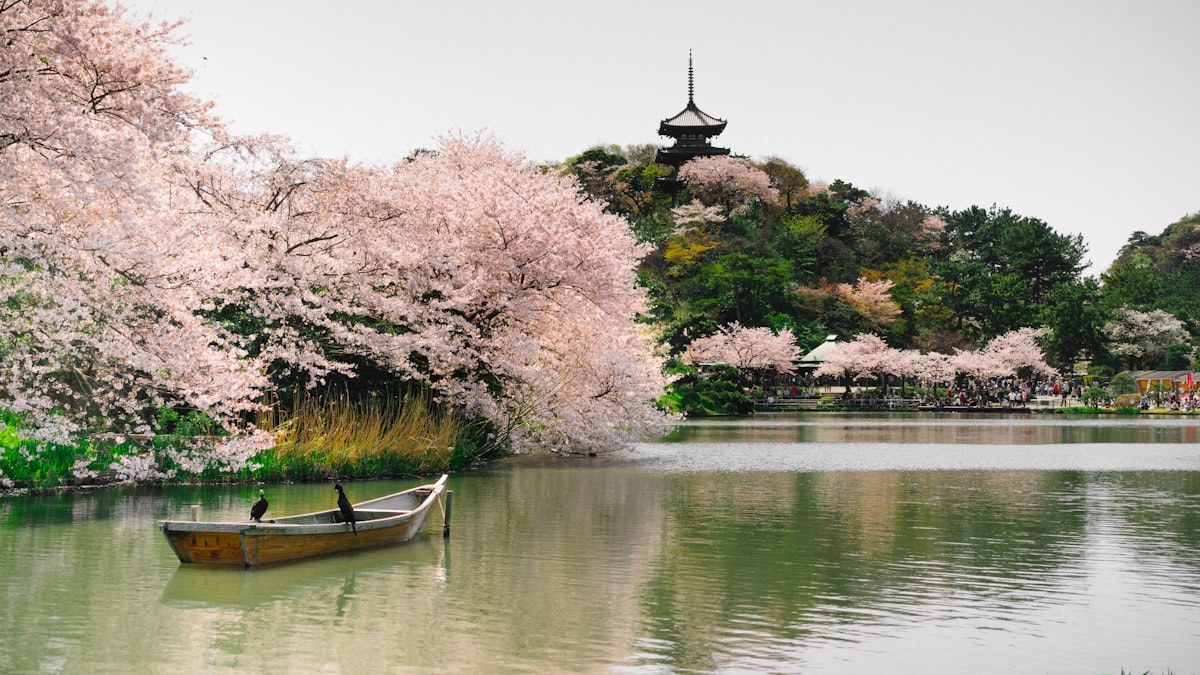
Japan 7-Day Senior Travel Itinerary: Accessible Temples, Ryokan Stays & Peaceful Gardens
A slow-paced, comfortable journey through Tokyo, Kyoto, Nara and beyond — designed for senior travelers seeking culture, tranquility and accessibility
✈ Plan My Own Trip — Free7
Days
43
Spots
¥89k
Est. budget
Relaxed pace · suitable for all fitness levels
Top Spots: Senso-ji Temple · Sumida River Waterbus Cruise · Hamarikyu Onshi-Teien Garden
Stays: Asakusa 2N → Higashiyama 3N → Hakone 1N + 1 more
Estimated Cost per Person
¥145kAccommodation based on ¥8,000–20,000/night est. Actual costs vary.
Popular Japan itineraries get booked up fast — confirm your hotels early for the best prices.
Day-by-Day Itinerary
Arrival in Tokyo — Settling In Gently
Stay: Asakusa
6
Spots
~6 km
Walking
1h 30m
Transit
¥20,460
Est. spend
Arrival at Narita/Haneda Airport & Transfer to Asakusa
Pre-arrange an accessible airport limousine bus or private taxi to your Asakusa hotel. The limousine bus offers comfortable seating and luggage assistance — ideal for seniors.
Tamagoyaki Set Breakfast at Otafuku
A traditional Japanese breakfast featuring freshly made tamagoyaki (rolled egg omelette), miso soup, rice, pickles and grilled fish. A gentle, nourishing start to your Tokyo adventure.
Senso-ji Temple — Accessible Morning Visit
Tokyo's most iconic Buddhist temple in Asakusa. Visit early morning when it is peaceful and less crowded. The main path (Nakamise-dori) is fully paved and wheelchair-friendly.
Tsukemen (Dipping Ramen) at Fuunji Asakusa
Rich, thick dipping noodles served alongside a deeply flavored broth. A beloved Tokyo lunch dish — noodles are dipped into the broth bowl for each bite. Warming and satisfying.
Sumida River Waterbus Cruise
A relaxing 40-minute boat cruise along the Sumida River offering seated, air-conditioned comfort with views of Tokyo Skytree, historic bridges and the city skyline — zero walking required.
Hamarikyu Onshi-Teien Garden — Tranquil Stroll
A beautifully maintained Edo-period garden featuring tidal ponds, seasonal flowers and a traditional teahouse. Flat, well-maintained paths make it ideal for a slow afternoon walk.
Yakitori Dinner at Torikizoku Asakusa
Grilled chicken skewers (yakitori) in a warm, casual izakaya setting. Order at a table — no counter grilling stress. Try negima (chicken and leek), tsukune (meatball) and heart skewers.
Estimated Trip Cost
Per person · excludes hotels & international flights
Accommodation not included — prices vary by hotel and season
Your Hotel Bookings
Book your accommodation for each area — dates pre-calculated from your itinerary. Free cancellation on most hotels.
Don't forget travel insurance
Frequently Asked Questions
Is Japan accessible for senior travelers with mobility concerns?
Yes, Japan is highly accessible. Major train stations have elevators, most temples offer paved paths, and ryokan inns provide ground-floor rooms upon request. Staff are generally very helpful and respectful toward elderly guests.
What is the best time of year for seniors to visit Japan?
Spring (late March to May) and autumn (October to November) are ideal. The weather is mild, crowds are manageable outside peak cherry blossom weeks, and walking is comfortable without extreme heat or cold.
Are ryokan stays suitable for seniors who have trouble sitting on the floor?
Many modern ryokans now offer rooms with beds instead of traditional futons on the floor. When booking, simply request a 'bed room' or 'Western-style room' and most ryokans will happily accommodate senior guests.
Is a 7-day JR Pass worth it for a senior trip focused on Tokyo?
For a 7-day itinerary centered primarily in Tokyo, a standard 7-day JR Pass (around ¥50,000) may not offer full value unless you plan at least one day trip to Nikko, Kamakura, or Hakone. Within Tokyo, the JR Pass covers the Yamanote Line connecting major hubs like Shinjuku, Ueno, and Shinagawa, which is genuinely useful. However, seniors spending most time in central Tokyo often find a Suica or Pasmo IC card more practical and easier to tap on and off at any station. If your itinerary includes one or two outside excursions such as a day trip to Kamakura's peaceful gardens, the pass becomes much better value. Purchase the JR Pass before leaving home as it is significantly cheaper than buying in Japan.
How much should seniors budget per day for a 7-day Tokyo trip including accommodation?
A comfortable senior-friendly 7-day Tokyo trip typically costs between ¥25,000 and ¥50,000 per person per day depending on accommodation style. Mid-range accessible hotels in areas like Shinjuku or Asakusa run ¥15,000 to ¥25,000 per night, while a senior-friendly ryokan with western bed options averages ¥20,000 to ¥35,000 including dinner and breakfast. Daily meals range from ¥3,000 for simple teishoku set lunches to ¥10,000 for a kaiseki dinner. Budget ¥2,000 to ¥3,000 per day for transportation using an IC card, plus ¥1,000 to ¥2,000 for garden entrance fees and temple admissions. For curated senior-friendly accommodation options in Tokyo, visit /stay/tokyo to compare properties with step-free access and Western-style bedding.
Which area of Tokyo is best for senior travelers to stay during a 7-day visit?
Asakusa and Shinjuku are the two strongest base options for seniors on a 7-day Tokyo itinerary. Asakusa offers flat, walkable streets near Senso-ji Temple, traditional shitamachi atmosphere, and easy access to the Tokyo Skytree area, with several hotels offering step-free lobbies and Western beds. Shinjuku provides unmatched transport connectivity and is closest to Shinjuku Gyoen garden, one of Tokyo's most accessible and peaceful green spaces. For seniors who tire easily, staying within 5 minutes' walk of a major JR or Metro station is essential. Avoid staying in Shibuya if mobility is a concern as the crossing and station layout can be overwhelming. Browse senior-friendly hotels and accessible ryokan in both neighborhoods at /stay/tokyo.
What should senior travelers pack for a 7-day trip to Tokyo's temples and gardens?
Packing thoughtfully for Tokyo's temples and gardens makes a significant difference in comfort for senior travelers. Bring slip-on shoes or shoes with easy fastenings since you will remove footwear frequently at temples and traditional venues. Lightweight compression socks help with long walking days and flights. A compact folding cane with a rubber tip is permitted at all major gardens and temples and provides security on uneven stone paths. Pack a small day bag under 5kg to avoid shoulder strain on daily outings. A portable door handle assist strap is useful in older ryokan with low traditional handles. Carry a printed copy of your accommodation addresses in Japanese as taxi drivers may not read English maps. A portable phone charger is essential as navigation apps drain battery quickly when exploring Ueno Park, Hamarikyu Gardens, and Yanaka.
When should I book hotels for this 7-day Tokyo trip?
For Tokyo, we recommend booking at least 3–4 weeks in advance for regular travel periods, and 6–8 weeks ahead during peak seasons (cherry blossom in March–April, Golden Week in late April–May, and autumn leaves in October–November). This itinerary is calibrated for mid-range accommodation (¥8,000–20,000/night), which is widely available in Tokyo — but the best properties at this price point book out quickly.
Want a personalized Tokyo itinerary?
Tell us your travel dates, budget and interests — our free AI trip planner builds a custom day-by-day plan in seconds.
Try Our Free AI Trip Planner →Why Plan with JapanFlow
117+ curated itineraries
Expert-crafted Japan travel plans
AI-powered planning
Custom itineraries in under 30 seconds
Free to use
No account or credit card required
Japan specialist
Local insights for every region
Hotels in Tokyo
powered by AgodaThings to Do in Tokyo
powered by KlookWHERE TO STAY
Best areas to stay in Tokyo →RECOMMENDED STAYS
Accommodation based on ¥8,000–20,000/night est. Actual costs vary.
More Japan Itineraries
Similar trips tailored to different durations and budgets
Share this itinerary
Plan Your Custom Japan Trip
Get a personalized day-by-day itinerary with AI in seconds — free
Try the Free Trip Planner