Niigata Travel Guide
Japan's sake heartland, Sado Island taiko drums & snow-country landscapes
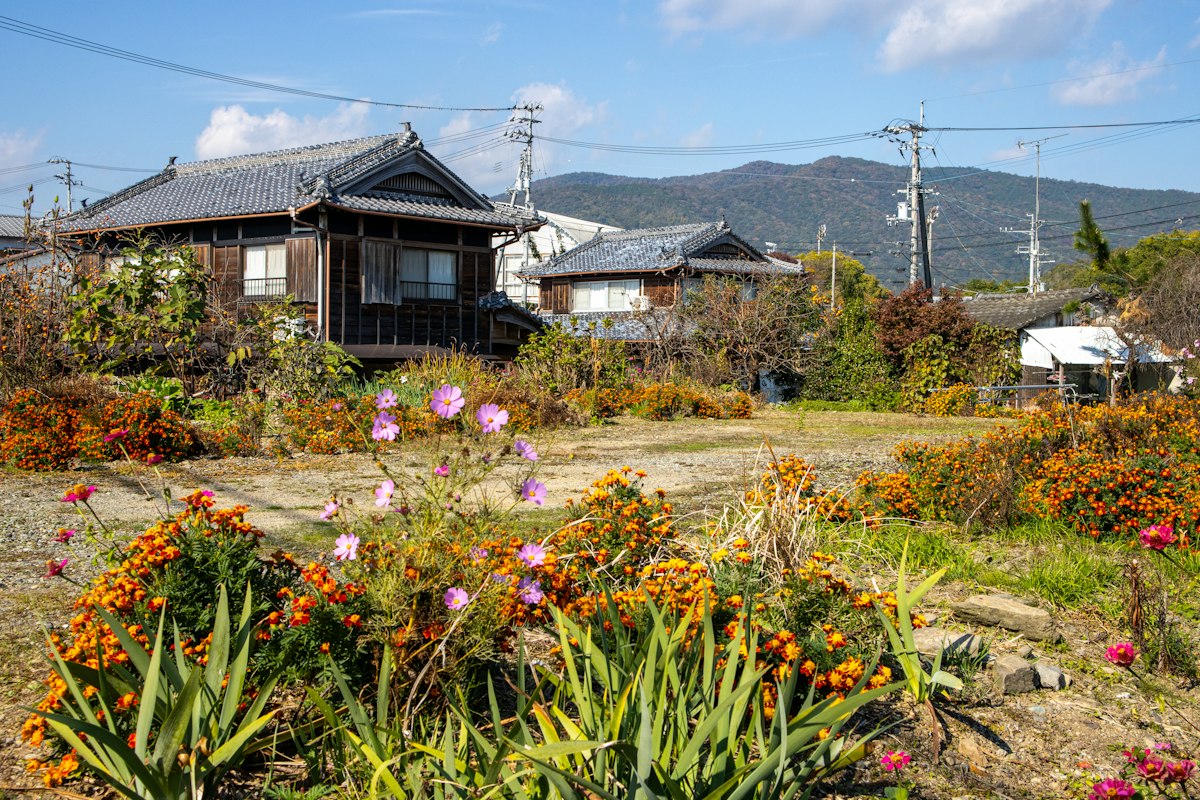
Niigata Prefecture, stretching along the Sea of Japan coast, is Japan's rice and sake heartland — a land of abundant snowfall, pristine rivers, and a centuries-old brewing culture. Japan's finest koshihikari rice and 90+ sake breweries producing the archetypal light, dry "tanrei karakuchi" style make this a pilgrimage for food lovers. Offshore, Sado Island guards its extraordinary culture: the Kodo taiko drumming collective, a former gold mine, and Japan's rarest bird. And the mountain town of Yuzawais where Nobel laureate Kawabata Yasunari set his masterpiece "Snow Country" — landscapes unchanged since he wrote it.
Top Attractions in Niigata
Sado Island — Kodo Drumming, Gold Mine & Wild Crested Ibis
Japan's fifth-largest island, floating in the Sea of Japan 35km off the Niigata coast, Sado is one of the country's most culturally rich and undervisited destinations. The island is home to the legendary Kodo taiko drumming troupe, whose Earth Celebration festival in August draws world music fans from across the globe. The Sado Kinzan gold mine — once the largest in Japan — operated for 400 years until 1989; its dramatic tunnel system is open to visitors with automated mannequin displays of miners at work. Sado is also the last stronghold of the Japanese crested ibis (toki), a red-faced bird once extinct in the wild and now slowly recovering through a breeding programme.
💡 Ferries depart from Niigata Port (car ferry 2.5 hrs, high-speed jetfoil 67 min). Rent a car or bicycle on the island — the 260km coastal road circuit takes 2 days. Earth Celebration (mid-August) requires advance ticket booking.
Niigata Sake Breweries (酒蔵)
Niigata Prefecture's unique terroir — cold winters, pure snowmelt water, and the premium Koshihikari rice — has made it Japan's sake capital, with 90 breweries producing a distinctive "tanrei karakuchi" (light and dry) style prized by connoisseurs. The Ponshukan sake museum in Niigata Station lets visitors sample from 80+ regional sake via coin-operated dispensers (¥200 per taste). Brewery tours are available at Hakkaisan Sake Brewery (Uonuma), Imayotsukasa (Niigata City), and dozens of small kura throughout the prefecture. The Niigata Sake Festival (October) fills the city with 130,000 visitors.
💡 Visit Ponshukan sake museum at Niigata Station for a quick introduction to the region's sake culture. Reserve brewery tours 2–4 weeks ahead as group sizes are limited.
Echigo-Tsumari Art Triennale
One of the world's largest outdoor art festivals, Echigo-Tsumari takes place in the terraced rice fields, abandoned schools, and mountain valleys of Niigata's Tokamachi district every three years (next: 2027). Even outside festival years, over 200 permanent artworks are installed across 200km² of rice-paddy countryside — including Yayoi Kusama's pumpkin sculptures, James Turrell's light installations, and Christian Boltanski's haunting shadow work in an abandoned elementary school. The "Art House Project" has converted derelict farmhouses into gallery spaces that keep the depopulating countryside alive.
💡 The Matsudai Nohbutai station area concentrates the most permanent works and is easiest to reach by train from Niigata. Rent a car for the full circuit. Festival years see works open only July–November.
Yuzawa Snow Country & Kawabata's Footsteps
The mountain town of Yuzawa is where Nobel Prize-winning author Kawabata Yasunari set his 1948 novel "Snow Country" (Yukiguni), which begins with the iconic line "The train came out of the long tunnel into the snow country." The Yukiguni-kan museum in Yuzawa exhibits Kawabata's manuscripts, the ryokan room where he wrote (Takahan Inn), and photographs of the snow-country landscapes that inspired him. The Echigo-Yuzawa hot-spring district is also a major ski resort gateway — 30 ski areas within 1 hour — and the town is famous for sake tasting at its own Ponshukan branch.
💡 Yuzawa is 77 minutes from Tokyo Station by shinkansen — easily a day trip. Takahan Inn (where Kawabata wrote) offers day use of its onsen (¥1,500, reservation needed).
Niigata City Waterfront & Furumachi Entertainment District
Niigata City (population 790,000) is the largest city on the Sea of Japan coast, with a lively waterfront district along the Shinano River and a vibrant evening culture in the Furumachi geisha district — one of Japan's five largest. The city's seafood market Bandai City supplies restaurants with fresh-from-the-boat nihonkai (Sea of Japan) fish — especially winter yellowtail (buri), firefly squid (hotaru-ika), and snow crab. The Northern Culture Museum in suburban Niigata, once the private estate of a wealthy merchant family, displays 6,000 items of regional folk art and architecture.
💡 The Furumachi Geisha area holds "ozashiki" performances where visitors can dine with geiko — book through Niigata Tourism Association 1 month ahead. Evening seafood dining along the Bandai bridge waterfront is excellent.
Hakkaisan Ski Resort & Onsen
Hakkaisan, named after the sacred mountain that gives Niigata's most famous sake its name, is one of Japan's top powder-snow ski resorts, receiving 8–12 metres of snowfall annually. The glacier-blue gondola lifts skiers to runs with views across the mountains to the Sea of Japan. Adjacent Muikamachi and Minamiuonuma hot-spring towns offer traditional ryokan with rotenburo (outdoor baths) fed by mountain snowmelt, and the local koshihikari rice fields visible from the runs are the source of Japan's most prized eating rice.
💡 Accessible by shinkansen to Urasa or Echigo-Yuzawa, then shuttle bus. January–March for peak powder conditions. The Maiko Snow Resort next door is slightly less expensive.
What to Eat in Niigata
Koshihikari Rice (コシヒカリ)
Japan's most prized rice variety, developed in Niigata in 1956 — glutinous, slightly sweet, with a pearly lustre and distinctive aroma. The Uonuma region produces the premium "Uonuma Koshihikari," claimed to be Japan's finest rice, which commands 3× the price of standard koshihikari. Eaten plain as a bowl of steaming gohan, it needs no accompaniment.
📍 Any restaurant in Niigata; buy Uonuma Koshihikari at department stores and station shops
Niigata Sushi (へぎそば食前)
Niigata's Sea of Japan location gives it exceptional sushi — especially winter yellowtail (buri), snow crab (kani), firefly squid (hotaru-ika), and nanban shrimp (nanbanebi). Nigiri quality rivals Tokyo with far smaller queues. The local sushi counters around Bandai bridge use same-morning fish from the market.
📍 Sushi Niigata (Furumachi); Suehiro Honten; Bandai seafood market stalls
Hegi Soba (へぎそば)
Niigata's unique buckwheat noodles made with funori seaweed mixed into the dough, giving them a springy, slightly chewy texture and pale green colour. Served in "hegi" (a flat wooden tray) in bundles that resemble overlapping waves. Eaten cold with strong dipping sauce and wasabi — refreshing in summer, warming with a hot dip in winter.
📍 Chokotomi, Shibata; Mugikusu-tei, Niigata City; Ojiya area restaurants
Niigata Sake
The archetypal "tanrei karakuchi" (light, dry) style developed over centuries using the region's ultra-soft snowmelt water and premium rice. The soft water produces sake with less minerality and crisper finish than Kyoto's fuller, richer brews. Top labels: Hakkaisan (junmai ginjo), Kubota (Manju daiginjo), Koshi no Kanbai, Yoshinogawa.
📍 Ponshukan (Niigata Station); Hakkaisan Sake Brewery, Minamiuonuma; Imayotsukasa, Niigata City
Tare Katsu Don (タレかつ丼)
Niigata's distinctive katsu don — thinly sliced pork cutlets dipped in a sweet soy tare sauce and layered over rice, without egg or onion. Simpler and more umami-forward than the standard egg-finished katsudon, it's sold in nearly every Niigata City diner and is the city's most distinctive fast lunch.
📍 Tonton-tei, Niigata City; Katsudon Hirose; any local shokudo
Noppei Jiru (のっぺい汁)
A hearty traditional root-vegetable stew — taro, satoimo, carrot, lotus root, and shiitake simmered in a thick, gelatinous dashi broth. Served hot in winter and cold in summer, it's prepared in virtually every Niigata household and served at festivals and New Year celebrations. A taste of regional home cooking rarely found on tourist menus.
📍 Traditional restaurants in Niigata; ryokan breakfasts; local konbini during festival season
Where to Stay in Niigata
Niigata City is the transport hub with the widest dining and hotel options. Sado Island has authentic ryokan — stay overnight to experience the island without day-tripper crowds. Yuzawa/Echigo-Yuzawa has ski lodges and hot-spring ryokan.
Hotels in Niigata City
Best base — shinkansen hub, Ponshukan, seafood dining, Furumachi
Ryokan on Sado Island
Authentic island stay — traditional inns, sea views, Kodo base
Tours & Activities in Niigata
Book Sado Island day tours, sake brewery experiences, Echigo-Tsumari art trail guides, and snow-country cultural tours.
Getting to Niigata
Niigata Travel FAQ
Is Niigata worth visiting?▾
Absolutely — Niigata is one of Japan's most underrated prefectures for travellers who have seen the golden triangle. The combination of Japan's best rice and sake, Sado Island's unique culture, snow-country landscapes, and world-class skiing make it outstanding. The 1h40m shinkansen from Tokyo makes it an easy addition to a Japan itinerary.
When is the best time to visit Niigata?▾
October for the Niigata Sake Festival and autumn colours. December–March for skiing and snow-country landscapes (5–8m of snow in mountain areas). August for the Kodo Earth Celebration on Sado Island. May–June for paddy-planting season when the countryside is lush green and sake breweries hold spring open days.
How do I get to Sado Island?▾
Sado Kisen ferries depart from Niigata Port. The high-speed jetfoil takes 67 minutes (¥7,040 one way) and requires advance reservation — essential in summer and Golden Week. The car ferry takes 2.5 hours (¥2,870 passenger only). Take a car or bicycle for the most freedom to explore.
What is the Niigata sake style?▾
Niigata sake is "tanrei karakuchi" — light-bodied, dry, and clean on the palate. The region's ultra-soft snowmelt water produces a delicate style with less residual sugar and minerality than Kyoto or Hiroshima sakes. Daiginjo is the showpiece category; junmai ginjo offers the best value. The Ponshukan at Niigata Station is the best starting point for tastings.
What is the Echigo-Tsumari Art Triennale?▾
The world's largest outdoor art festival, held in the terraced rice fields and mountain villages of Tokamachi district. Over 200 permanent artworks are installed across 200km² — accessible year-round outside festival years (¥3,500 passport). The festival itself runs every 3 years (next: 2027), July–November, with 200+ temporary works added.
What is Snow Country (Yukiguni)?▾
Kawabata Yasunari's 1948 Nobel Prize-winning novel set in the Yuzawa hot-spring mountain town. The story follows a Tokyo dilettante's relationship with a geisha in a remote mountain inn — the contrast between the hot-spring world and the harsh snow-country landscape is the novel's core. The Yukiguni-kan museum in Yuzawa displays Kawabata's manuscripts and the room where he wrote.
Explore More of Japan
Found this guide useful? Share it: