Toyama Travel Guide
Alpine snow corridors, UNESCO farmhouses & glowing firefly squid
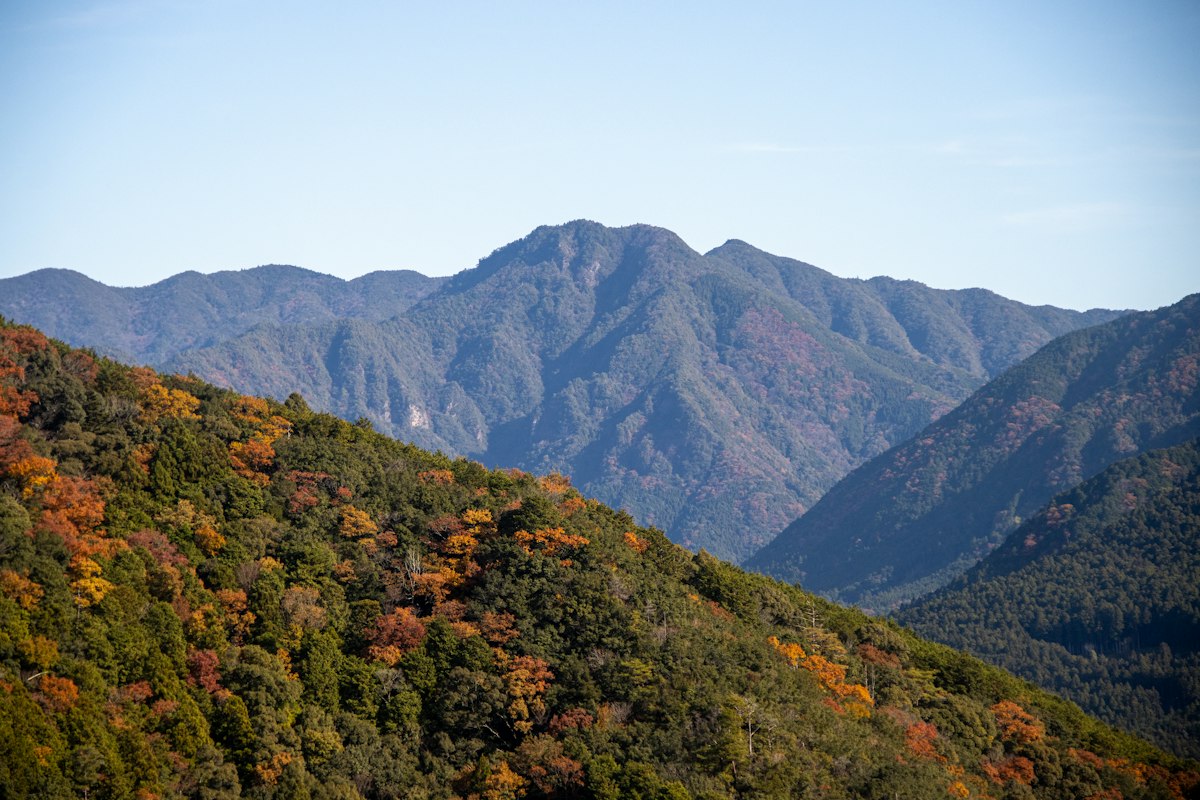
Toyama Prefecture sits at the intersection of Japan's most dramatic landscapes: the Northern Alps plunge directly into Toyama Bay, one of the world's most productive fishing grounds, creating a contrast of snow-capped peaks and abundant seafood unique in Japan. The Tateyama Kurobe Alpine Route — with its impossible 20-metre snow walls — is one of Japan's most spectacular engineering achievements, while the UNESCO gassho-zukuri farmhouses of Gokayamaand Kengo Kuma's glass-walled museum represent the best of traditional and contemporary Japan.
Top Attractions in Toyama
Tateyama Kurobe Alpine Route — Snow Corridor
One of Japan's most spectacular mountain experiences, the Tateyama Kurobe Alpine Route traverses the Northern Alps of Toyama and Nagano via a combination of cable car, trolley bus, ropeway, and alpine bus — no private cars allowed. The route's signature attraction is the Yuki no Otani snow corridor at Murodo (2,450m altitude): in late April and early May, 20-metre-tall walls of compacted snow line the walking path, creating an otherworldly canyon. The route also passes the turquoise Mikurigaike volcanic pond, the rumbling Jigokudani volcanic valley, and the 186m Kurobe Dam — Japan's tallest dam, holding back a brilliant blue reservoir.
💡 The snow corridor is open mid-April to late June. Book the through-route (Toyama to Shinano-omachi on the Nagano side) and exit at Hakuba or Matsumoto for a one-way traverse — the most scenic direction. Reserve accommodation at Murodo Sanso 3+ months ahead for mid-April snow corridor visits.
Gokayama — UNESCO Gassho-Zukuri Village
A sister UNESCO World Heritage Site to the more famous Shirakawa-go, Gokayama consists of three tiny hamlets — Ainokura, Suganuma, and Taira — in a deep mountain valley accessible only by the serpentine Nanto road. The gassho-zukuri ("praying hands") farmhouses, up to 500 years old, have steeply pitched thatched roofs designed to shed Toyama's legendary 3-metre annual snowfall. Gokayama is far less visited than Shirakawa-go — in the off-season, the snow-blanketed village feels completely unchanged from the Edo period. The Ainokura Minka-en folk museum demonstrates traditional silk production and papermaking.
💡 Gokayama can be combined with Shirakawa-go on a bus route (Kaetsu Kanko buses connect the two, 40 min, ¥970). Visit early morning when day-trip crowds haven't arrived. Light-up events in winter (December–March) are spectacular with lanterns illuminating the snow-covered thatch.
Toyama Glass Art Museum (富山市ガラス美術館)
Designed by master architect Kengo Kuma and opened in 2015, the Toyama Glass Art Museum is a six-storey crystalline tower in the heart of Toyama City, housing Japan's finest collection of studio glass art. The building's exterior is clad in cedar louvers and glass panels that create ever-changing reflections of the streetscape; inside, the atrium soars six stories with floating glass sculptures by Dale Chihuly and world-class international artists. The museum doubles as a public library and community centre — a model of contemporary museum design that has won multiple international architecture awards.
💡 Free on the first and third Sunday of each month. Combine with a walk along the Matsukawa River cherry-blossom promenade (stunning in April) and Toyama Castle Park next door.
Kurobe Gorge — Torokko Railway
Japan's deepest gorge, carved by the Kurobe River through the Northern Alps over millennia, is traversed by a narrow-gauge open-air railway (Torokko Densha) from Unazuki to Keyaki Daira station. The 20km journey through the V-shaped gorge takes 80 minutes each way, passing over suspension bridges, through tunnels carved in sheer cliff faces, and past hot-spring waterfalls that cascade directly into the emerald river below. Several intermediate stations allow short hiking detours. Unazuki Onsen at the gorge entrance is a traditional hot-spring town with riverside baths where the gorge's mineral waters emerge.
💡 The Torokko railway runs May–November (closed in winter). Book through the official Kutetsu website — it sells out weeks ahead in October for autumn foliage season. The premium carriages (Patneo) have windows for cold or rainy days; open carriages are better for photography.
Toyama Bay — Firefly Squid & White Shrimp
Toyama Bay's unique geography — a deep submarine trench (water depth 1,000m, just 10km offshore) that forces cold nutrient-rich water to the surface — makes it Japan's most productive sea for rare seafood. From late March to May, millions of bioluminescent firefly squid (hotaru-ika) swarm to the surface to spawn, creating one of Japan's most extraordinary wildlife spectacles — fishing boats and tourist vessels illuminate the midnight bay. The bay also produces Japan's finest white shrimp (shiro-ebi), a transparent pink crustacean served as sashimi or kakiage at the Toyama Port seafood market.
💡 Firefly squid season runs late March–May; tours depart at midnight from Namerikawa Port. Book through the Namerikawa Firefly Squid Museum (Hotaru-ika Museum, ¥750) which also has daily illumination tank displays year-round.
Zuiryuji Temple — Zenith of Zen Architecture
Often called "the Kyoto of Hokuriku," Zuiryuji Temple in Takaoka City is Japan's finest example of early Edo-period Zen temple architecture, constructed in 1659 by the Maeda clan as a memorial to a fallen daimyo. The complex of nine buildings — aligned on a strict north-south axis according to the Chinese Buddhist cosmological plan — has remained completely intact for 350 years, with no later additions or renovations. The karesansui rock garden, raked in geometric patterns, is among Hokuriku's most serene viewing experiences.
💡 Takaoka (30 min from Toyama City by JR) is also worth visiting for Takaoka Daibutsu (Japan's third-largest bronze Buddha) and the historic Kanaya-machi craftsmen's quarter. Combine with a Shirakawa-go or Gokayama day trip.
What to Eat in Toyama
Shiro-ebi (白えび) White Shrimp
Toyama Bay's gem — almost translucent pink-white shrimp about 7cm long, served as sashimi (the delicate sweetness and slight crunch are extraordinary), lightly battered kakiage fritters, or over rice. Available only in Toyama; the Toyama Port Kanton seafood market is the best place to try them.
📍 Toyama Port Kanton Market; Kintaro Sushi; Yamasan, Toyama City
Hotaru-ika (蛍いか) Firefly Squid
Toyama Bay's bioluminescent firefly squid, caught from late March to May, are prized for their rich, sweet flavour and firm yet tender texture. Served as vinegared sunomono, lightly boiled with miso dipping sauce, or sun-dried as a snack. Eaten fresh in season; available dried year-round at Toyama station and souvenir shops.
📍 Namerikawa Port restaurants; Toyama Station food hall (dried, year-round)
Masuzushi (鱒寿司) Pressed Trout Sushi
Toyama's iconic take-away sushi: marinated rainbow trout arranged in a circle over seasoned pressed rice in a cedar box, weighted and compressed overnight to meld the flavours. Sold in round wooden masu (measuring box) portions — the presentation is as elegant as the taste. A staple train-station ekiben since the Edo period.
📍 Minamoto, Toyama Station; Yoshino, Toyama City; every ekiben shop in the prefecture
Toyama Black Ramen (富山ブラックラーメン)
Japan's darkest ramen, developed in post-war Toyama for construction workers who needed intense saltiness to compensate for heavy physical labour. The jet-black soy broth — thick, salty, almost viscous — is topped with thick chashuu pork, bamboo shoots, spring onions, and ground black pepper. Polarising but addictive.
📍 Nishimachi Daiichi, Toyama City; Menya Taisei; Kuroba Ramen
Gyuusuji Soba (牛筋そば)
Toyama's distinctive braised beef tendon soba: slow-cooked beef sinew in sweet soy-mirin broth until gelatinously tender, served over buckwheat noodles in a clear dashi stock with spring onion. The collagen-rich tendon dissolves into the broth with umami that rivals any ramen.
📍 Local soba restaurants in Toyama City; Takaoka station area lunch spots
Togenuki Ginger Candy
Not a meal but a Toyama cultural icon: pharmacists and medicine traders have been travelling Toyama's roads since the Edo period, famous throughout Japan for quality herbal remedies. The Toyama medicine industry tradition (yakugyo) produced distinctive ginger-flavoured sweets used as digestive remedies — still sold in pharmacies and souvenir shops across the prefecture.
📍 Toyama Station souvenir shops; local pharmacies
Where to Stay in Toyama
Toyama City is the best base with the shinkansen station and Glass Art Museum nearby. Gokayama farmhouse inns (minshuku) offer the extraordinary experience of sleeping in a 400-year-old gassho-zukuri building. Stay at Unazuki Onsen for the Kurobe Gorge.
Hotels in Toyama City
Shinkansen hub — Glass Art Museum, Matsukawa River, alpine route access
Gassho-Zukuri Minshuku in Gokayama
Sleep in a 400-year-old thatched farmhouse — unforgettable cultural experience
Tours & Activities in Toyama
Book Tateyama Kurobe Alpine Route guided tours, Kurobe Gorge railway tickets, Gokayama walking tours, and firefly squid fishing experiences.
Getting to Toyama
Toyama Travel FAQ
When is the best time for the Tateyama Kurobe Alpine Route snow corridor?▾
Mid-April to late May, when snow walls reach their maximum height (15–20 metres). The route typically opens around April 16 each year. By late June the snow walls have melted significantly; by July the route is snow-free. Book accommodation at Murodo and transportation at least 2–3 months ahead for the snow corridor period.
Is Gokayama or Shirakawa-go better?▾
Gokayama is more authentic and far less crowded than Shirakawa-go, which can receive 10,000+ day-trippers on peak weekends. Gokayama's Ainokura hamlet has fewer houses but a more intimate atmosphere. For first-time visitors wanting the classic photo, Shirakawa-go's larger village and observation deck are more impressive. Combining both on a single day is possible via bus (40 min between them).
Can I see firefly squid in Toyama?▾
The best time is late March to May, when firefly squid come to the surface to spawn. Midnight fishing boat tours depart from Namerikawa Port (book 3+ months ahead in March–May — they sell out completely). Year-round, the Hotaru-ika Museum in Namerikawa has live squid in illuminated tanks and a 17-minute documentary.
How many days do I need in Toyama?▾
2–3 days covers Toyama City (glass museum, Zuiryuji Temple), Gokayama, and a day on the Alpine Route. Add a day for the Kurobe Gorge railway. Toyama works best as part of the Hokuriku circuit connecting Kanazawa (18 min), Fukui (30 min), and Kyoto.
Is the Toyama Glass Art Museum worth visiting?▾
Yes — especially for architecture enthusiasts. Kengo Kuma's building is one of Japan's finest contemporary museum designs, and the Chihuly glass sculptures in the atrium are spectacular. The museum also functions as a public library and café — it's a genuine community building, not just a tourist attraction. Free entry on the first and third Sunday of each month.
Does the JR Pass cover transport in Toyama?▾
The Hokuriku Shinkansen (Tokyo–Toyama) and JR Takayama Line (Toyama–Takayama) are JR-covered. The Chitetsu Railway (Toyama–Tateyama, for the Alpine Route start) and the Alpine Route itself (cable cars, ropeway, trolley bus) are private and not covered. Allow ¥10,000–¥12,000 for the full Alpine Route regardless of pass.