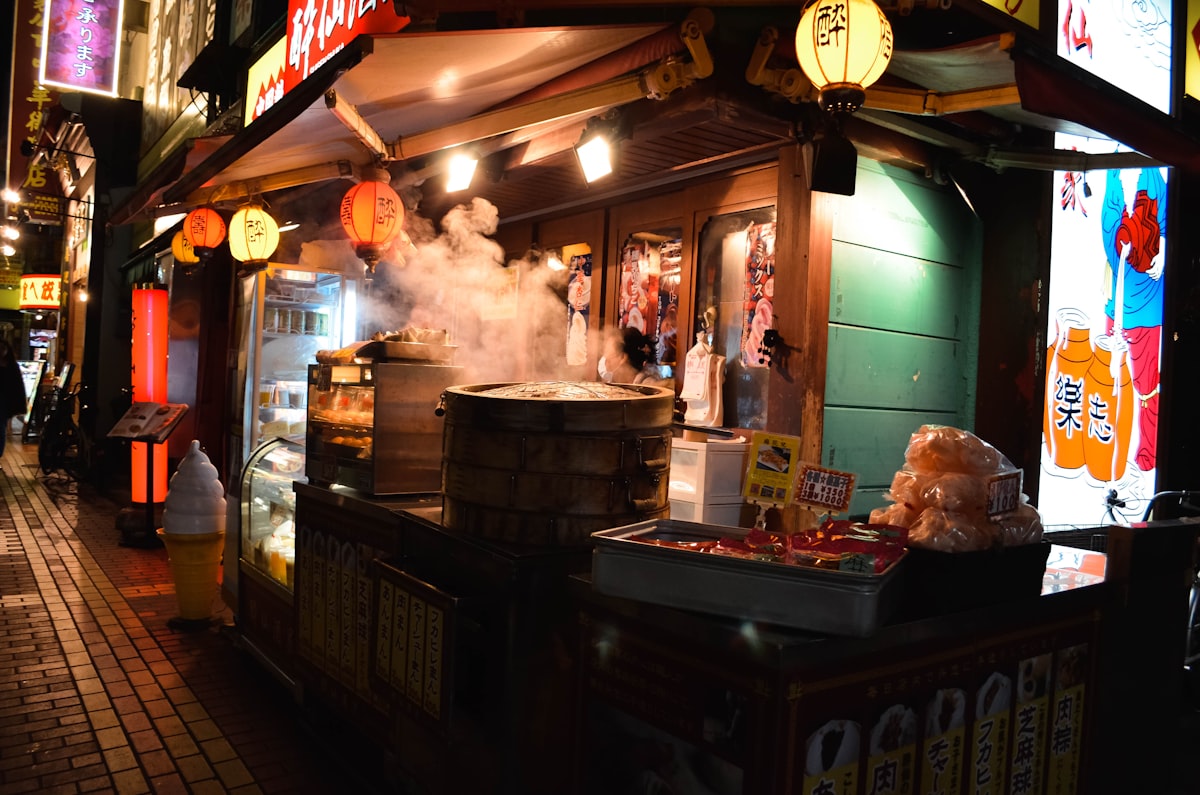
Tokyo in 2 Days: The Ultimate Best-of Guide
Shinjuku, Shibuya, Asakusa & Harajuku — Tokyo's greatest hits in 48 hours
✈ Plan My Own Trip — Free2
Days
15
Spots
¥25k
Est. budget
Active days · comfortable shoes recommended
Top Spots: Senso-ji Temple · Tokyo Skytree Observation Deck · Shinjuku Gyoen National Garden
Stays: Shinjuku 2N
Estimated Cost per Person
¥41kAccommodation based on ¥8,000–20,000/night est. Actual costs vary.
Popular Japan itineraries get booked up fast — confirm your hotels early for the best prices.
Day-by-Day Itinerary

Arrival, Shinjuku & Asakusa
Stay: Shinjuku
8
Spots
~11.7 km
Walking
1h 30m
Transit
¥25,600
Est. spend
Arrival at Airport & Transfer to Shinjuku
Arrive at Narita or Haneda Airport and take the Narita Express (N'EX) or Keikyu Line to Shinjuku. Check your luggage in at the hotel or use coin lockers if check-in is not yet available.
Tamagoyaki Set Breakfast at Tsukiji Outer Market
Start your Tokyo adventure with a traditional Japanese breakfast featuring freshly grilled tamagoyaki (rolled egg omelette), miso soup, grilled fish and steamed rice at a classic market stall in Tsukiji Outer Market.
Senso-ji Temple & Nakamise Shopping Street, Asakusa
Explore Tokyo's oldest and most iconic Buddhist temple, Senso-ji, in the historic Asakusa district. Walk through the Kaminarimon Thunder Gate, stroll along Nakamise Shopping Street lined with traditional snacks and souvenirs, and explore the temple grounds and five-story pagoda.
Tokyo Skytree Observation Deck
Head a short walk from Asakusa to Tokyo Skytree, the world's second-tallest structure. Ride to the Tembo Deck at 350m for sweeping panoramic views over the Tokyo metropolitan area, with Mount Fuji visible on clear days.
Rokurinsha Tsukemen Lunch at Tokyo Solamachi
Lunch at the foot of the tower — Rokurinsha’s famous thick-broth tsukemen has a branch inside Tokyo Solamachi, so no cross-town dash is needed.
Shinjuku Gyoen National Garden
Stroll through one of Tokyo's most beautiful and spacious parks, blending French formal, English landscape and traditional Japanese garden styles. With over 20,000 trees, it is a serene escape from the neon buzz of surrounding Shinjuku.
Explore Kabukicho & Shinjuku Golden Gai
Wander through Kabukicho, Tokyo's vibrant entertainment district, and discover the legendary Golden Gai — a maze of narrow alleyways packed with over 200 tiny, atmospheric bars each seating only 5 to 8 people. Even in the afternoon, the area's character and history are fascinating to explore.
Yakitori Dinner at Omoide Yokocho (Memory Lane), Shinjuku
Squeeze into one of the tiny yakitori stalls in Shinjuku's legendary Omoide Yokocho — a smoky, atmospheric alleyway just outside Shinjuku Station's west exit. Enjoy skewers of grilled chicken, vegetables and offal washed down with ice-cold Japanese beer.
Tokyo Metropolitan Government Building Free Observatory
Ride to the free observation deck on the 45th floor of the Tokyo Metropolitan Government Building for spectacular night views over the entire city including Shinjuku's glittering skyline, Tokyo Tower and on clear nights, Mount Fuji.
Check in to Shinjuku Hotel & Evening Rest
Return to your Shinjuku hotel for check-in and a well-deserved rest after a full first day covering Asakusa, Skytree and Shinjuku's highlights. Prepare for an equally packed Day 2.
Hotels for all budgets · From ¥8,000/night · Free cancellation
Estimated Trip Cost
Per person · excludes hotels & international flights
Accommodation not included — prices vary by hotel and season
Your Hotel Bookings
Book your accommodation for each area — dates pre-calculated from your itinerary. Free cancellation on most hotels.
Don't forget travel insurance
Frequently Asked Questions
Is 2 days enough to see Tokyo?
Two days is enough to experience Tokyo's top highlights — Shinjuku, Shibuya, Asakusa and Harajuku — but Tokyo is vast. Use this itinerary to hit the best of Tokyo efficiently and consider extending your trip if possible.
What is the best way to get around Tokyo in 2 days?
The Tokyo Metro and JR Yamanote Line are the fastest and most affordable ways to travel between areas like Shinjuku, Shibuya, Harajuku and Asakusa. A 48-hour metro pass offers excellent value.
What food should I try in Tokyo?
Tokyo is a food lover's paradise. Must-try dishes include tamagoyaki breakfast sets, rich tsukemen ramen, grilled yakitori skewers, gyudon beef bowls, hand-pulled soba and conveyor belt sushi (kaiten-zushi).
Where should I stay in Tokyo for a 2-day trip?
For a 2-day trip, staying in Shinjuku or Shibuya gives you the best access to Tokyo's top attractions, nightlife, and transport hubs. Shinjuku is ideal if you want to be steps from Omoide Yokocho, Shinjuku Gyoen, and direct airport trains to Narita or Haneda. Shibuya suits those prioritizing the famous scramble crossing, Harajuku, and Daikanyama. Both neighborhoods have hotels across all budgets, from capsule hotels around ¥3,000/night to mid-range options around ¥10,000–¥15,000/night. Browse curated Tokyo accommodation options at /stay/tokyo to find properties close to Day 1 and Day 2 highlights on this itinerary.
How much does a 2-day trip to Tokyo cost per person?
Budget roughly ¥15,000–¥25,000 per person per day in Tokyo, excluding flights. Accommodation runs ¥3,000–¥20,000/night depending on style. A 48-hour Tokyo Metro pass costs ¥1,500 and covers most subway lines on this itinerary. Meals range from ¥500 for ramen or sushi conveyor belt to ¥3,000+ for a sit-down dinner in Ginza. Major attractions like Senso-ji and Shibuya Crossing are free; teamLab venues or teamLab Borderless cost around ¥3,200. Budget travelers can manage 2 days on ¥20,000 total (excluding accommodation), while mid-range travelers typically spend ¥35,000–¥50,000.
Do I need a JR Pass for 2 days in Tokyo?
No — a JR Pass is not worth it for a Tokyo-only 2-day trip. The pass is designed for long-distance Shinkansen travel between cities. Within Tokyo, the subway network (Tokyo Metro and Toei lines) covers almost every attraction on this itinerary far more efficiently. Instead, buy a 48-hour Tokyo Metro pass (¥1,500) or load a Suica or Pasmo IC card with ¥3,000–¥5,000, which works on subways, JR lines, buses, and even convenience store purchases. Only consider the JR Pass if you are continuing to Kyoto, Osaka, or other cities after your Tokyo days.
What is the best time of year to visit Tokyo for a 2-day trip?
Late March to early April (cherry blossom season) and November (autumn foliage) are peak times for a Tokyo visit — expect stunning scenery in Shinjuku Gyoen and Ueno Park but book accommodation 3–6 months in advance as hotels fill fast and prices surge 30–50%. For a comfortable 2-day itinerary with manageable crowds, mid-October or early November offers crisp weather, minimal rain, and pleasant walking temperatures of 15–20°C. Avoid July and August if possible — Tokyo summers are intensely humid with temperatures regularly above 35°C, which makes a packed 2-day sightseeing schedule exhausting. Check availability for your dates early at /stay/tokyo to lock in the best rates.
When should I book hotels for this 2-day Tokyo trip?
For Tokyo, we recommend booking at least 3–4 weeks in advance for regular travel periods, and 6–8 weeks ahead during peak seasons (cherry blossom in March–April, Golden Week in late April–May, and autumn leaves in October–November). This itinerary is calibrated for mid-range accommodation (¥8,000–20,000/night), which is widely available in Tokyo — but the best properties at this price point book out quickly.
Want a personalized Tokyo itinerary?
Tell us your travel dates, budget and interests — our free AI trip planner builds a custom day-by-day plan in seconds.
Try Our Free AI Trip Planner →Why Plan with JapanFlow
117+ curated itineraries
Expert-crafted Japan travel plans
AI-powered planning
Custom itineraries in under 30 seconds
Free to use
No account or credit card required
Japan specialist
Local insights for every region
Hotels in Tokyo
powered by AgodaThings to Do in Tokyo
powered by KlookWHERE TO STAY
Best areas to stay in Tokyo →RECOMMENDED STAYS
Accommodation based on ¥8,000–20,000/night est. Actual costs vary.
More Japan Itineraries
Similar trips tailored to different durations and budgets
Share this itinerary
Plan Your Custom Japan Trip
Get a personalized day-by-day itinerary with AI in seconds — free
Try the Free Trip Planner