What are the best places to visit in Japan for first-timers?
First-time visitors should prioritize Tokyo (3–4 days), Kyoto (2–3 days), and Osaka (1–2 days) — the classic Golden Route that covers Japan's greatest hits in 7–10 days. Add a day trip to Nara from Kyoto and a day in Hiroshima/Miyajima from Osaka to round out a perfect first trip. These cities are all connected by the JR Pass Shinkansen, making logistics simple.
How many places can you visit in Japan in 2 weeks?
In 14 days, you can comfortably visit 4–6 main destinations. A popular 2-week itinerary covers: Tokyo (3–4 nights) → Nikko or Kamakura day trip → Hakone (1–2 nights) → Kyoto (3 nights) → Osaka (2 nights) → Nara day trip → Hiroshima/Miyajima (1–2 nights). Trying to see more than 6 destinations in 2 weeks leads to exhaustion and diminishing returns.
What is the most beautiful place in Japan?
Beauty in Japan is almost everywhere, but the three most universally stunning destinations are: Kyoto (temples, bamboo groves, fall foliage), Hakone/Mt. Fuji area (volcanic landscapes, lake reflections), and Miyajima (floating torii gate, forested sacred island). For natural beauty, Hokkaido's Shiretoko Peninsula and Okinawa's Kerama Islands are in a class of their own.
Is Kyoto or Tokyo better for a first trip to Japan?
Most first-time visitors should visit both — they each offer something the other cannot. Tokyo is modern Japan: fashion, technology, food innovation, and urban energy. Kyoto is historic Japan: temples, ryokan, geisha culture, and traditional arts. If forced to choose one, Tokyo is the more practical solo first destination (better English signage, more flexible dining hours, easier navigation), while Kyoto is the more 'Japan' experience.
What is the most underrated place to visit in Japan?
Kanazawa consistently earns the top spot in 'underrated Japan' lists — and for good reason. It has everything Kyoto offers (historic districts, traditional crafts, world-class gardens, ryokan) with a fraction of the crowds. Takayama (preserved Edo-era alpine town) and Fukuoka (Japan's most vibrant food city) are close runners-up. All three are accessible by JR Pass from the main tourist circuit.
What are the best places to visit in Japan in spring?
Spring (late March–early May) is Japan's peak cherry blossom season, and the best places to see sakura are: Yoshino (Nara) for mountain cherry blossoms, Maruyama Park (Kyoto) for nighttime lit sakura, Shinjuku Gyoen (Tokyo) for 65+ varieties of cherry trees, Hirosaki Castle (Aomori) for late-season blooms, and Lake Kawaguchiko (Hakone) for Mt. Fuji + sakura views. Book accommodation 4–6 months ahead for spring travel.
Where should I go in Japan for a beach vacation?
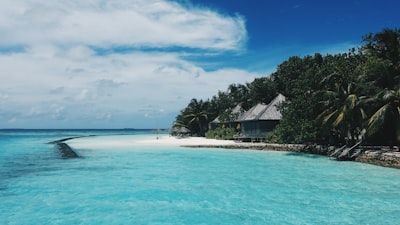
Okinawa is Japan's only true beach destination with tropical-grade water clarity and coral reefs. The Kerama Islands (accessible by ferry from Naha) have visibility of 40+ meters and world-class snorkeling. The Yaeyama Islands (Ishigaki, Iriomote) have even more remote beaches. Note: mainland Japan's beaches are not comparable — Shonan (Kamakura) and Shirahama (Wakayama) are popular but heavily crowded in summer with murky water.
What is the best part of Japan to visit in winter?
Winter (December–February) is excellent for: Hokkaido (ski resorts, Snow Festival, cozy ramen), Kyoto (uncrowded temples, red maples replaced by snow), the Japan Alps (Takayama, Shirakawa-go with thatched-roof farmhouses under snow), and Hakone (outdoor onsen with steam rising in cold air). Tokyo and Osaka are also good — fewer crowds, comfortable temperatures of 5–12°C, and festive illuminations.
Can I visit multiple cities in Japan in one trip?
Yes — Japan's Shinkansen (bullet train) network makes multi-city trips easy. The 14-day JR Pass (¥50,000) covers unlimited bullet train travel on JR lines, making it economical if visiting Tokyo + Kyoto + Osaka + Hiroshima. Use JR Pass for inter-city travel and IC cards (Suica/Pasmo) for local transit within cities. Most travelers comfortably visit 4–6 cities in 2 weeks.