Travel Guides
Japan Martial Arts Guide
Sumo · Kendo · Judo · Ninja · Dojo Experiences
Japan is the birthplace of some of the world's most sophisticated martial traditions — sumo, kendo, judo, aikido, karate, and ninjutsu among them. Unlike martial arts in most countries, these are living cultural practices deeply embedded in daily life, not museum exhibits. Travelers can watch sumo wrestlers train at 6 AM in Tokyo's Ryogoku district, put on kendo armor and learn a kata in Kyoto, or throw shuriken at a ninja school in Iga. This guide covers how to access each experience, what to expect, and how to book.
Japanese Martial Arts for Visitors
Sumo (相撲)
Grappling👁️ Access: High (tournaments + stable visits)
Japan's national sport and oldest competitive martial tradition. Six Grand Tournaments per year. Morning practice sessions at Tokyo stables (6–10 AM) are accessible with advance booking. Ryogoku (Tokyo) is the sumo capital.
💡 January, May, and September tournaments are in Tokyo at Ryogoku Kokugikan. Buy tickets early — top seats sell out weeks in advance.
Kendo (剣道)
Sword Art👁️ Access: Moderate (intro sessions available)
Bamboo sword fencing in full armor (bogu). Highly ceremonial, deeply competitive. Several dojos in Tokyo and Kyoto offer English-language beginner sessions (2–3 hours, ¥5,000–¥10,000). Equipment provided.
💡 Mumeishi Dojo (Kyoto) is English-friendly. Book in advance. You'll receive a participation certificate — a unique souvenir.
Judo (柔道)
Grappling👁️ Access: High (Kodokan is open to visitors)
Olympic grappling art founded at the Kodokan in Tokyo (1882). The Kodokan headquarters in Bunkyo welcomes visitor observation and museum access free of charge. Licensed judoka can sometimes participate; contact in advance.
💡 Kodokan Judo Museum (8th floor) is free. Watch evening practice from the gallery — the sound of throws and judogi hitting the mat is extraordinary.
Aikido (合気道)
Defensive👁️ Access: Moderate
Non-competitive defensive art using opponent's force — joint locks, throws, and redirection. The Aikikai Foundation Hombu Dojo in Shinjuku allows observation and has an international membership program for extended stays.
💡 Aikido Hombu Dojo (新宿区) runs classes daily. Visitors can observe morning practice. Short-stay membership available from ¥5,000/week.
Ninjutsu / Ninja Experiences
Historical👁️ Access: Very High (tourist-oriented)
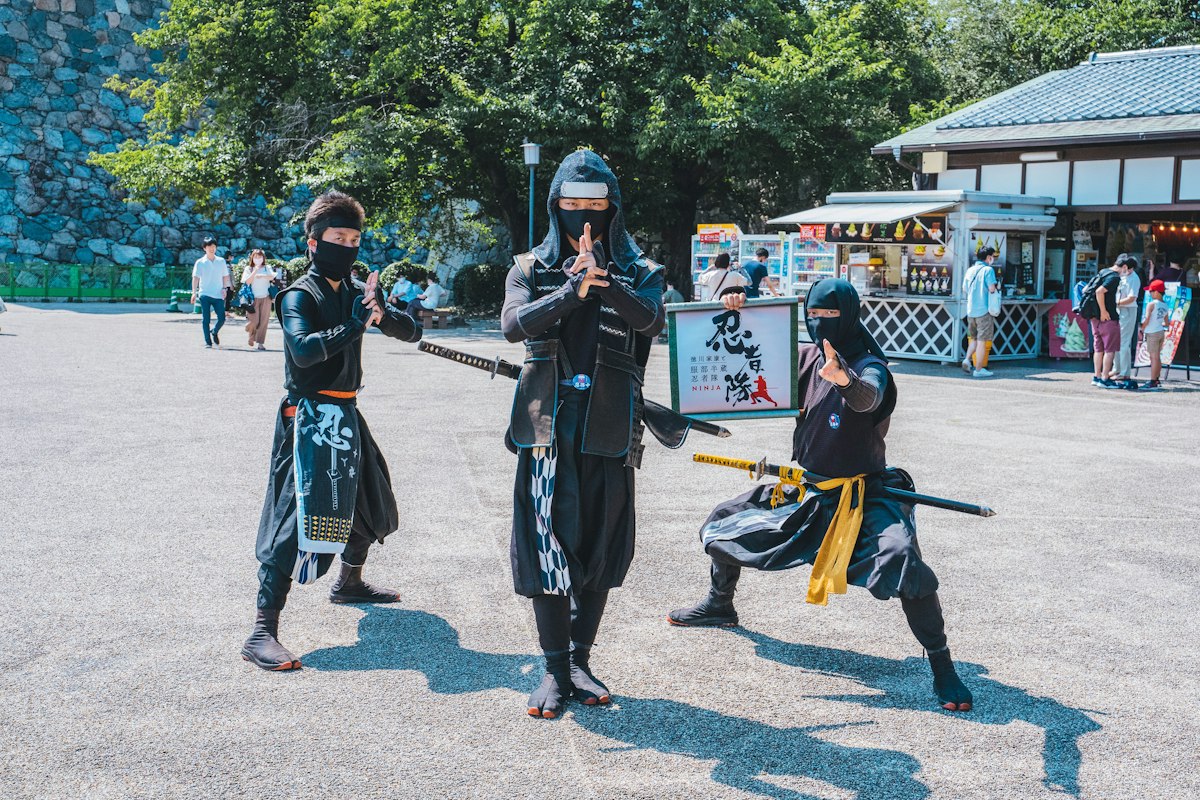
Historical stealth and movement arts of the shinobi. Tourist experiences in Iga (Mie), Kyoto (Toei Studio Park), and Tokyo. Activities include shuriken throwing, obstacle courses, blowgun practice, and ninja costume rental.
💡 Iga Ninja Museum (Mie Prefecture) is the most authentic destination — the historical homeland of Iga ninja. Full day trip from Nagoya.
Kyudo (弓道)
Archery👁️ Access: Low–Moderate
Japanese ceremonial archery — meditative, precise, deeply philosophical. Sanjusangendo Temple in Kyoto hosts the annual Oya-sai archery ceremony each January. Some dojos in Tokyo (Meiji Jingu outdoor range) allow observation.
💡 The Meiji Jingu archery range (Yoyogi) has scheduled practice times open to spectators. Tokyo Metropolitan Budokan (Kitanomaru Park) also has open kyudo sessions.
Sumo Grand Tournament Calendar
| Month | Location | Venue |
|---|---|---|
| January (1st) | Tokyo | Ryogoku Kokugikan |
| March (2nd) | Osaka | Edion Arena Osaka |
| May (3rd) | Tokyo | Ryogoku Kokugikan |
| July (4th) | Nagoya | Dolphins Arena |
| September (5th) | Tokyo | Ryogoku Kokugikan |
| November (6th) | Fukuoka | Fukuoka Convention Center |
Each tournament runs 15 days. Top bouts begin around 4 PM and end by 6 PM. Arrive from 2 PM for lower-division matches and full atmosphere.
⛩️ Kyoto hotels — base for dojo experiences, Budo demonstrations, and Sanjusangendo Kyudo
Frequently Asked Questions
Can tourists watch sumo practice in Japan?+
Yes — many sumo stables (部屋, heya) open morning practice sessions to visitors. The most visitor-friendly include Arashio Stable and Tomozuna Stable in Tokyo. Practices typically run 6–10 AM. Rules are strict: remain silent, no photos without permission, remove shoes, do not touch anything. It is best to book through a licensed tour operator or contact the stable directly (some require a Japanese-speaking introduction). Ryogoku, the sumo district in Tokyo, has the highest concentration of stables.
How can I watch a live sumo tournament?+
Japan hosts 6 official Grand Tournaments (本場所) annually — three in Tokyo (January, May, September at Ryogoku Kokugikan), one in Osaka (March at Edion Arena), one in Nagoya (July), and one in Fukuoka (November). Tickets range from ¥2,200 (unreserved upper seats) to ¥14,800+ (ringside). Top matches are typically 4–6 PM; arrive by 2 PM for lower-ranked bouts and to absorb the atmosphere. Buy tickets via the Japan Sumo Association website.
Can I take a kendo class as a beginner tourist?+
Yes — several dojos in Tokyo and Kyoto offer one-time or short-course kendo experiences for foreign visitors, even with no prior experience. Participants wear bogu (armor) and learn basic strikes. Tokyo: Kendo Club at Budokan (Kitanomaru Park), Yokohama Budokan. Kyoto: Mumeishi Dojo offers English-language sessions. Expect 2–3 hours, ¥5,000–¥10,000 including equipment rental. A physical certificate is usually given at the end.
What is the difference between the main Japanese martial arts?+
The main Japanese martial arts (budo) for visitors: Judo — grappling and throwing, Olympic sport, very welcoming to foreigners; Kendo — bamboo sword fencing, highly ceremonial, competitive; Aikido — defensive throws and joint locks, non-competitive, philosophical; Karate — striking art, wide variety of styles; Ninjutsu — historical stealth and movement arts, mostly tourist-oriented experiences available; Kyudo — Japanese archery, meditative and ceremonial.
Are there ninja experiences for tourists in Japan?+
Many tourist-oriented ninja experiences exist, especially in Iga (Mie Prefecture — the historical home of ninja) and Kyoto. Iga Ninja Museum offers costume rental, shuriken throwing, and ninja house exploration. Toei Kyoto Studio Park has regular ninja shows and participation activities. Tokyo has several commercial ninja schools (Tokyo Ninja School) offering 60-90 minute shuriken and obstacle course sessions. These are entertainment experiences, not authentic martial arts training.
What is Kodokan and can visitors enter?+
Kodokan (講道館) in Bunkyo, Tokyo is the world headquarters of judo — founded by Jigoro Kano in 1882. Visitors can watch practice sessions and training from the gallery (no charge). The Kodokan Judo Museum on the 8th floor covers the history and global spread of judo. Practice sessions are open to visiting judoka with prior membership confirmation; contact Kodokan in advance if you want to participate rather than observe.
Planning a Martial Arts Trip to Japan?
JapanFlow builds personalized itineraries that include sumo viewing, dojo visits, and ninja experiences alongside temples and food.
Plan My Japan Trip →Related Japan Travel Guides
Found this guide useful? Share it: