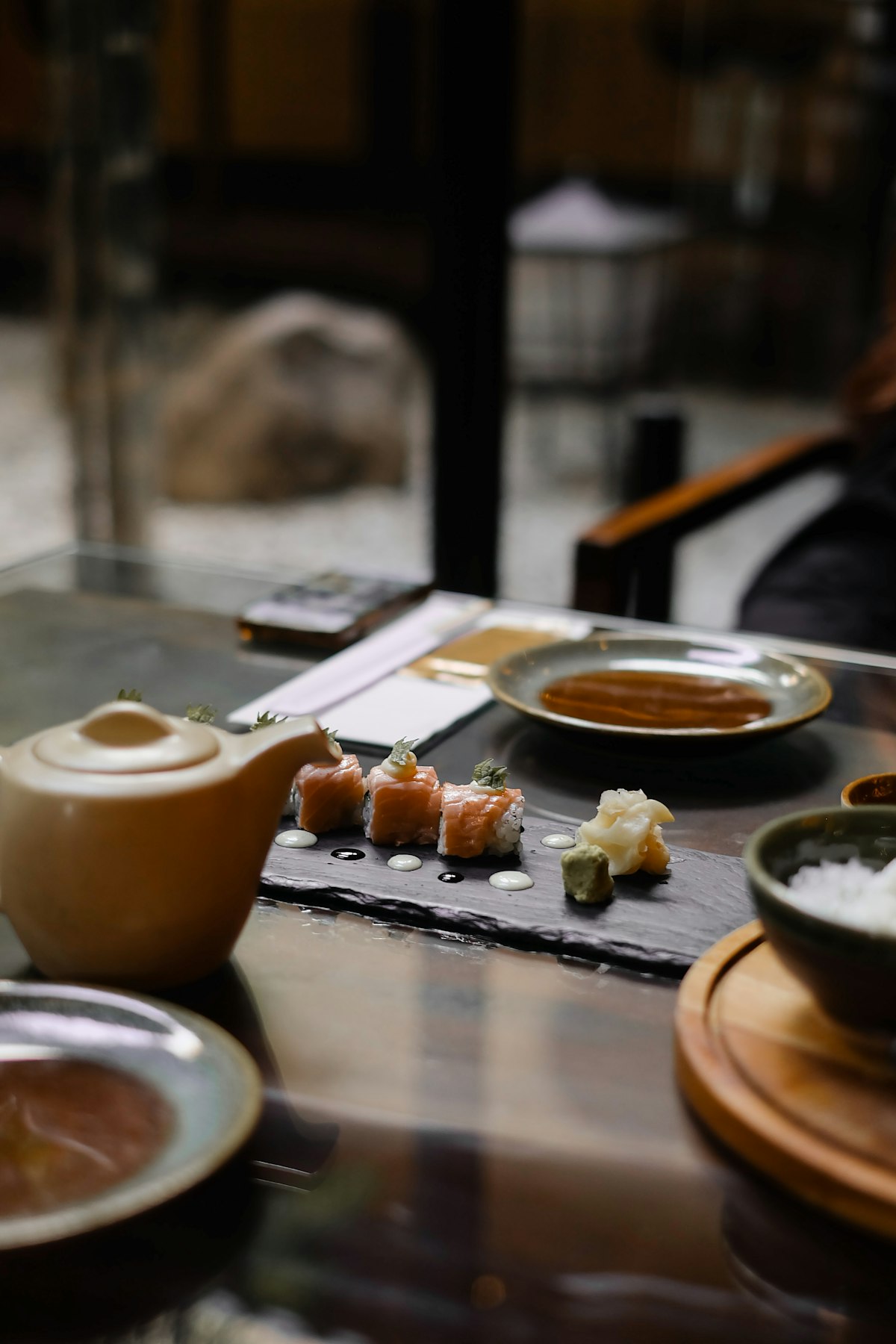
Vegan & Vegetarian Guide to Japan
Navigate Japan's food scene as a plant-based traveler — from shojin ryori to convenience store finds.
Good news:Japan has a rich plant-based food tradition — shojin ryori (Buddhist temple cuisine) is one of the world's oldest vegan cuisines. The challenge is hidden fish stock (dashi) in everyday cooking. With a few key phrases and the right apps, vegan and vegetarian travelers eat very well in Japan.
Common Challenges & How to Solve Them
⚠️ Dashi (Fish Stock) is Everywhere
Traditional Japanese cooking uses dashi — a stock made from kombu seaweed and katsuobushi (dried bonito fish flakes). This appears in miso soup, ramen broth, noodle broths, sauces, and many side dishes. Even seemingly vegetarian soups often contain fish-based dashi.
✅ Solution: Ask for "dashi nashi" (だしなし, without dashi) or look for vegan restaurants that use kombu-only dashi.
⚠️ Hidden Animal Products in "Simple" Dishes
Many dishes that look vegetarian contain animal products: pickles (tsukemono) may be fermented with bonito, rice crackers may contain shrimp, some soy sauces are brewed with fish, and mirin contains alcohol brewed with fish or meat extract.
✅ Solution: Use the phrase card below and apps like HappyCow or Vegewel (Japanese app) to find certified vegan options.
⚠️ Language Barrier
Japanese menus rarely include English ingredient lists. The concept of "vegan" (ビーガン, biigan) is understood in cities but less so in rural areas. "Vegetarian" (ベジタリアン) is known but may not exclude fish in traditional contexts.
✅ Solution: Carry a translation card in Japanese explaining your restrictions. Apps like Google Translate camera mode work well for menus.
Vegan-Friendly Japanese Foods
Shojin Ryori
Buddhist temple cuisine — inherently vegan, uses tofu, yuba (tofu skin), mountain vegetables, sesame. Available near major Buddhist temple complexes (Koyasan, Kyoto, Nara). Usually requires reservation.
Tofu Kaiseki
Kyoto-style multi-course meal centered on tofu. Restaurants in Arashiyama and Fushimi specialize in this. Confirm no dashi in advance.
Vegetarian Sushi (Yasai Sushi)
Cucumber rolls (kappamaki), pickled plum (umeshiso), avocado, kanpyo (gourd), and corn are naturally vegan sushi options. Most sushi restaurants can make a vegetarian set on request.
Yakimono (Grilled Vegetables)
Many izakaya and restaurants offer grilled seasonal vegetables (yaki yasai). Ask for no butter or katsuobushi topping.
Onigiri (Rice Balls)
Convenience store onigiri with ume (pickled plum), konbu (kelp), or takana (pickled mustard greens) fillings are vegan. Check labels — some brands add mayo.
Edamame
Steamed salted soy beans — the most universally vegan izakaya starter. Available everywhere.
Mochi & Wagashi
Many traditional Japanese sweets (wagashi) are vegan — made from rice, beans, and sugar. Avoid those with cream or gelatin.
Vegetarian Ramen
Some ramen shops offer shiitake or kombu-based broth. Tokyo and Kyoto have dedicated vegan ramen restaurants.
Essential Japanese Phrases for Vegans
| English | Japanese | Romaji |
|---|---|---|
| I am vegan / vegetarian | 私はビーガン(ベジタリアン)です | Watashi wa biigan (bejitarian) desu |
| No meat, please | お肉はいりません | Oniku wa irimasen |
| No fish or seafood, please | 魚介類はいりません | Gyokairui wa irimasen |
| No dashi (fish stock), please | だしなしでお願いします | Dashi nashi de onegaishimasu |
| Does this contain meat or fish? | これに肉や魚は入っていますか? | Kore ni niku ya sakana wa haitte imasu ka? |
| No eggs or dairy, please | 卵と乳製品はいりません | Tamago to nyūseihin wa irimasen |
City-by-City Vegan Guide
🌆 Tokyo ★★★★★
Best city for vegan/vegetarian food in Japan. Harajuku, Shimokitazawa, and Nakameguro have excellent plant-based cafes and restaurants.
- 🌿T's TanTan (vegan ramen, Tokyo Station)
- 🌿Ain Soph Journey (Shinjuku — 100% vegan)
- 🌿Brown Rice (Omotesando — macrobiotic)
- 🌿Nagi Shokudo (Shibuya — vegan/veggie restaurant)
⛩️ Kyoto ★★★★★
Ideal for vegetarians — shojin ryori (Buddhist cuisine) originated here. Many temples offer temple cuisine experiences. Strong tofu culture throughout the city.
- 🌿Shoraian (Arashiyama — tofu kaiseki)
- 🌿Falafel Garden (vegan Middle Eastern, near Nishiki)
- 🌿Mumokuteki (downtown — vegan/organic)
- 🌿Nanzenji area shojin ryori restaurants
🍺 Osaka ★★★★
Vegetarian-friendly options available throughout Namba and Shinsaibashi. Famous for street food — many kushikatsu (fried skewer) restaurants offer vegetable options.
- 🌿Paprika Shokudo Vegan (near Namba)
- 🌿Vegan ramen at Yamaokaya (request veggie broth)
- 🌿Nishiki Market-style stands in Kuromon Market (select vegetable vendors)
Useful Apps for Vegan Travelers in Japan
📱 HappyCow
Global vegan restaurant finder — excellent Japan coverage. Filter by vegan-only, vegetarian-friendly, or "veg options".
📱 Vegewel
Japan-specific app for vegetarian, vegan, halal, and allergy-friendly restaurants. More comprehensive than HappyCow for smaller Japanese cities.
📱 Google Translate (Camera)
Point your camera at any Japanese menu to translate ingredients in real time. Essential for reading ingredient lists.
📱 Tabelog
Japan's main restaurant review app. Search 野菜 (yasai/vegetables) or ビーガン (vegan) to filter results.
Book Vegan Food Experiences
Cooking classes, temple cuisine experiences, and guided vegan food tours are available throughout Japan.
Find Hotels Near Vegan-Friendly Areas
Frequently Asked Questions
Is Japan vegan-friendly?
Japan has improved significantly in recent years. Major cities (Tokyo, Kyoto, Osaka) have excellent vegan restaurant scenes. Rural areas and traditional restaurants remain challenging. The biggest obstacle is hidden dashi (fish stock) in otherwise plant-based dishes. With preparation and the right apps, most vegans enjoy Japan tremendously.
What is shojin ryori?
Shojin ryori (精進料理) is traditional Buddhist temple cuisine, entirely plant-based. It uses tofu, yuba (tofu skin), sesame, seasonal vegetables, and mountain herbs. No meat, fish, or even pungent vegetables like garlic and onion (traditionally). It's one of the world's oldest vegan cuisines and uniquely Japanese. Temples in Koyasan, Kyoto, and Nara offer shojin ryori meals.
Can vegetarians eat sushi in Japan?
Yes — several classic sushi options are naturally vegetarian: kappamaki (cucumber roll), umeshiso (pickled plum and shiso), avocado roll, kanpyo (gourd), corn, and inari sushi (seasoned tofu pouch). Most sushi restaurants will make a vegetarian set if you ask. Check that the rice hasn't been seasoned with fish stock.
What Japanese foods are accidentally not vegan?
Watch out for: miso soup (almost always contains dashi), most ramen broths, tempura dipping sauce (tsuyu contains dashi), many pickles (fermented with bonito), rice crackers (senbei, often contain shrimp), some soy sauces (may contain wheat and sometimes fish), natto (fermented soybeans — vegan, but check), and many snacks labeled "vegetable flavored" that contain actual seafood extract.
Are convenience store foods vegan in Japan?
Some yes. Onigiri with ume (pickled plum), konbu (kelp), or takana fillings are usually vegan — check labels. Salted edamame snacks, plain rice, and some fruit are safe. Avoid anything with mayo, which is egg-based. Family Mart and 7-Eleven have started labeling vegan items in some stores, particularly near tourist areas.
Related Japan Food Guides
Found this guide useful? Share it: