JapanFlow AI
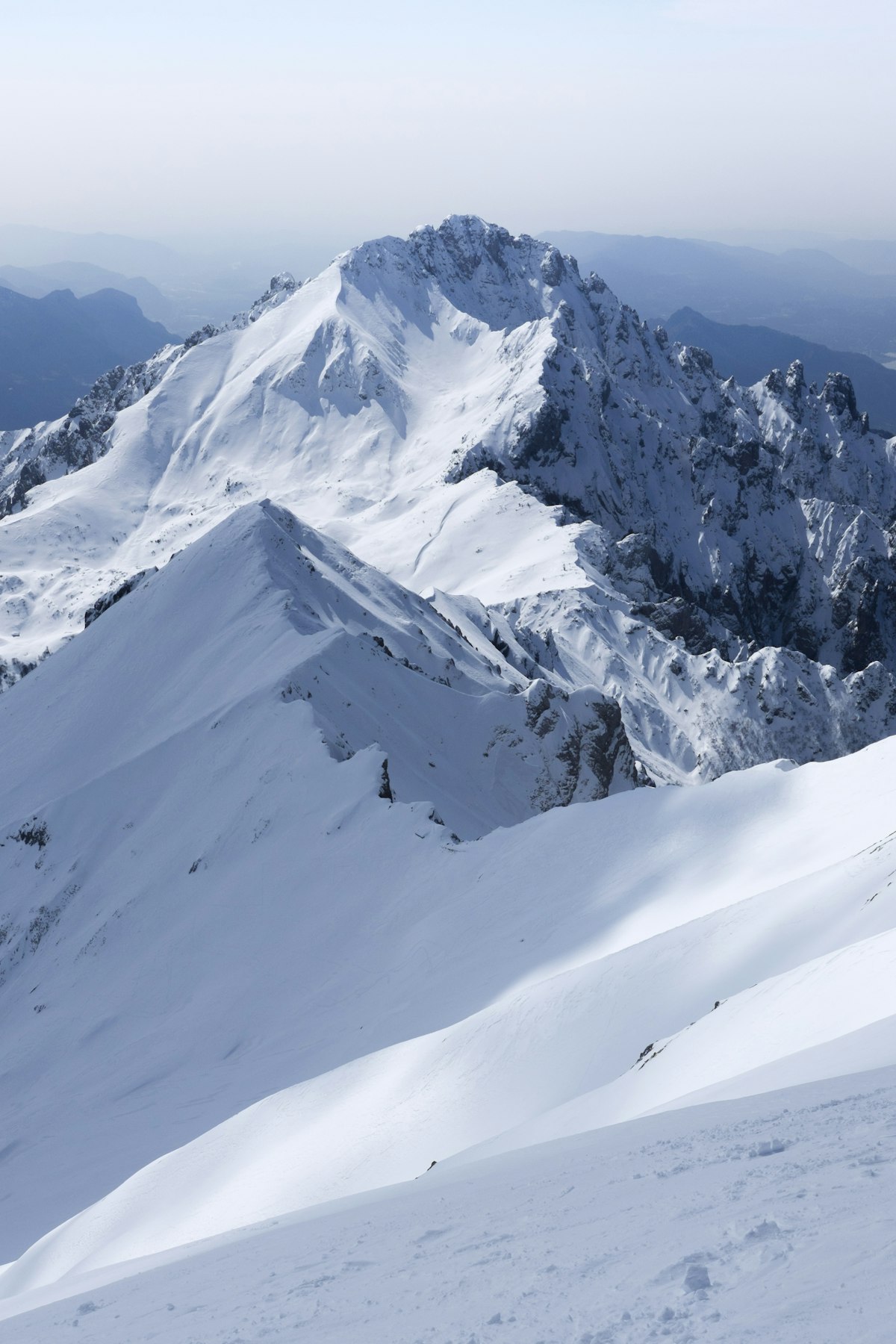
Powder skiing at a Japanese ski resort with deep snow and mountain scenery

Japan • Winter Sports

Japan Ski Guide 2025–2026

World-class powder snow, 1998 Olympic venues, volcanic onsen après-ski, and legendary snow monsters

Why Japan for Skiing?

Japan has become one of the world's top ski destinations for a simple reason: the powder. Cold Siberian winds crossing the Sea of Japan pick up enormous moisture loads and deposit them as extraordinarily light, dry snow on Japan's mountain ranges. Niseko in Hokkaido averages 15 metres of snowfall per season — more than most European resorts receive in two years.

Beyond snow quality, Japan offers something no alpine destination can match: a ski holiday embedded in Japanese culture. You ski by day, then soak in volcanic hot spring baths (onsen) at night, eat extraordinary food, and sleep in traditional ryokan inns. From Hokkaido to the Japanese Alps to Tohoku, each ski region has its own cuisine, onsen character, and cultural identity.

The ski season runs from late November through early May, with peak powder conditions in January and February. Six key resorts are covered in this guide — from world-famous Niseko to the hidden powder of Myoko Kogen.

Best Ski Resorts in Japan

⛷️

Niseko United

ニセコユナイテッド

Niseko United on Hokkaido is Japan's most internationally renowned ski destination and one of the world's finest powder snow resorts. The resort complex comprises four interconnected resorts — Grand Hirafu, Hanazono, Niseko Village, and Annupuri — spanning the slopes of Mount Yotei's sister peak, Mount Niseko Annupuri (1,308 m). The area receives an extraordinary average of 15 metres of snow per season thanks to moisture-laden winds from the Sea of Japan meeting Hokkaido's cold continental air. The result is famously light, dry, Champagne powder that skiers and snowboarders from around the world travel specifically to experience.

Season

Mid-November to early May; peak season December–March

Lift Pass

Multi-resort day pass ¥8,000–¥11,000; season pass ¥150,000+

Access

40-min bus from Kutchan Station; 90-min bus from Sapporo New Chitose Airport

Highlights

  • World-class champagne powder — average 15 m of snowfall per season
  • Four interconnected resorts: Grand Hirafu, Hanazono, Niseko Village, Annupuri
  • Night skiing available at Hirafu until 20:30 — rare in Japan
  • Gate system allows backcountry access through marked gates in resort boundary

Best For

Powder enthusiasts, international visitors, families, backcountry skiers

Insider Tip

Book accommodation 6–12 months in advance — Hirafu Village fills up by September. Grand Hirafu's upper mountain gets the best powder; arrive at the gondola 30 minutes before opening to claim first tracks. The back bowls accessed via Hanazono are quieter than the main runs.

🏔️

Hakuba Valley

白馬バレー

Hakuba Valley in Nagano Prefecture was the venue for alpine skiing, biathlon, and cross-country skiing events at the 1998 Nagano Winter Olympics. The valley hosts 10 linked ski resorts with a combined 200+ runs across 148 km of skiable terrain. Happo-One, the flagship resort, hosted the Olympic downhill and still features its World Cup courses. Hakuba is considerably more accessible from Tokyo than Niseko — just 3 hours by train via the Hokuriku Shinkansen to Nagano — making it a popular weekend destination for Tokyo-based skiers and a hub for international visitors exploring the Japanese Alps.

Season

Early December to early May; Happo-One typically opens late November

Lift Pass

Day pass ¥5,500–¥7,500; Hakuba Valley shared pass ¥7,800/day

Access

20-min bus from Hakuba Station (Oito Line from Matsumoto/Nagano)

Highlights

  • 1998 Nagano Winter Olympics alpine skiing and cross-country venue
  • 10 interconnected resorts — Japan's largest ski area complex by resort count
  • Happo-One World Cup downhill course open to public skiers
  • Spring skiing into May with strong snow base on north-facing runs

Best For

Olympic history, families, intermediate skiers, Tokyo day-trippers

Insider Tip

Rent ski equipment in Hakuba Village rather than at the mountain — rental shops offer comparable quality at lower prices. Cortina resort within the valley gets exceptional powder due to elevation and orientation; arrive early as it has limited terrain that fills up fast on powder days.

♨️

Nozawa Onsen

野沢温泉

Nozawa Onsen is one of Japan's most beloved traditional ski villages — a living community where 4,000 residents share their mountain and hot spring baths with visitors. The village has 13 free communal outdoor hot spring baths (sotoyu) fed by natural spring water reaching 90°C, which locals have used for centuries. The ski mountain rises directly from the stone-paved village lanes, meaning skiers can literally ski from the gondola base to the front door of their ryokan. The top of the mountain at 1,650 m often offers views of the Japan Alps and, on clear days, distant Mount Fuji.

Season

Late December to late March; village hot springs open year-round

Lift Pass

Day pass ¥5,500; sotoyu hot springs FREE (donation appreciated)

Access

60-min bus from Nagano Station or 25-min bus from Iiyama Station

Highlights

  • 13 free communal outdoor onsen sotoyu — Japan's most authentic après-ski experience
  • Traditional village atmosphere with ski-in/ski-out access from ryokan inns
  • Top elevation 1,650 m with views of the Japan Alps on clear days
  • Annual Dosojin Fire Festival (January 15) — one of Japan's most dramatic winter festivals

Best For

Cultural immersion, onsen lovers, intermediate to advanced skiers, couples

Insider Tip

The Ogama bath near the village center reaches 90°C — locals use it to boil eggs, not bathe. Ooyu bath at the village's heart is the most photogenic and manageable at 60°C. Visit early morning (7:00–8:30) or evening (19:00–21:00) to share the outdoor baths with locals rather than tourists.

👹

Zao Onsen

蔵王温泉

Zao Onsen in Yamagata Prefecture is famous throughout Japan for its juhyo — snow monsters — giant ice formations created when supercooled fog from the nearby caldera lake coats trees in successive layers of rime ice, eventually sculpting them into extraordinary shapes resembling apparitions or creatures. The juhyo phenomenon peaks in late January and February when cold temperatures and steady winds from the Sea of Japan produce the densest formations. The resort also sits atop a volcanic caldera with milky white sulfuric hot spring water (pH 1.1 — strongly acidic), which turns silver jewelry black but reportedly has skin-beautifying properties.

Season

Late November to late March; juhyo peak January–mid February

Lift Pass

Day pass ¥5,500; ropeway to juhyo zone ¥1,400 one-way

Access

40-min bus from Yamagata Station (1 hr 30 min from Sendai by Shinkansen)

Highlights

  • Juhyo (snow monsters) — unique ice formations on mountain trees, peak January–February
  • Volcanic hot springs with highly acidic white milky water unique to Zao
  • Night juhyo illumination events on weekends in January and February
  • Combined ski + onsen experience across 40+ runs and 12 lifts

Best For

Unique experiences, photographers, onsen lovers, snowshoeing

Insider Tip

For the best juhyo photos, take the Zao Ropeway to the Jizodaira station (1,661 m) early morning when soft light hits the formations. Juhyo density varies — check the resort's juhyo condition reports online before visiting. The milky white onsen at Zao Onsen village is unlike any other in Japan; try Dai-rotenburo outdoor bath at Zao Onsen Resort for the full volcanic experience.

🌨️

Myoko Kogen

妙高高原

Myoko Kogen in Niigata Prefecture sits in the Myoko-Togakushi Renzan National Park and receives some of Japan's deepest snowfall outside of Hokkaido — averaging 11 metres per season. The area hosts six ski resorts of varying sizes with Akakura Onsen and Ikenotaira being the most visited. Unlike Niseko, Myoko remains genuinely quiet — it has not yet been discovered by the large international crowds that flock to Hokkaido — giving visitors the unusual experience of powder days with minimal competition. The resort is accessible from Tokyo in approximately 2 hours via Shinkansen to Joetsu-Myoko Station.

Season

Late November to early April

Lift Pass

Day pass ¥4,500–¥5,500; multi-resort Myoko pass ¥6,000

Access

30-min bus from Joetsu-Myoko Station (Hokuriku Shinkansen from Tokyo)

Highlights

  • Up to 11 m of annual snowfall — some of Japan's deepest powder outside Hokkaido
  • Six resorts in national park setting with few international crowds
  • Akakura Onsen village with traditional ryokan and natural hot springs
  • Easy Tokyo access — 2 hours via Hokuriku Shinkansen to Joetsu-Myoko

Best For

Powder seekers wanting to avoid Niseko crowds, budget-conscious skiers, nature lovers

Insider Tip

Myoko is the best-value powder destination in Japan. Avoid weekends (Japanese domestic crowds) and visit Monday–Thursday for empty runs. Akakura Kanko Resort has the best combination of terrain variety and snow quality. The nearby Ikenotaira Resort is smaller but often has even deeper powder on its forested off-piste terrain.

🎿

Shiga Kogen

志賀高原

Shiga Kogen, part of the Joshinetsu-Kogen National Park and UNESCO Biosphere Reserve, is Japan's largest single ski area by skiable terrain — 80+ km of runs spread across 18 linked resorts at elevations between 1,340 m and 2,307 m. The high elevation keeps the snow cold and dry throughout the season and extends the ski season well into April, often May. Shiga Kogen hosted cross-country and biathlon events at the 1998 Nagano Olympics. The sprawling nature of the resort means the terrain can absorb large numbers of visitors without feeling crowded, and exploring the full area can take multiple days.

Season

Late November to early May

Lift Pass

All-area day pass ¥7,000; individual resort tickets ¥4,500–¥5,500

Access

70-min bus from Nagano Station or 50-min bus from Yudanaka Station (Nagano Dentetsu Line)

Highlights

  • Japan's largest ski area — 80+ km across 18 interconnected resorts
  • UNESCO Biosphere Reserve with high-elevation terrain up to 2,307 m
  • 1998 Nagano Olympics cross-country skiing and biathlon venue
  • Season extends into May with reliable snow due to high elevation

Best For

Ski touring, multi-day resort exploration, advanced skiers seeking variety

Insider Tip

Rent a car or use the inter-resort shuttle buses to cover the full Shiga Kogen area — the ski runs link many resorts but some transfers require transportation. Stay in Yudanaka Onsen at the mountain base for lower accommodation costs with easy access up to Shiga Kogen. The Ichinose area at the resort core has the best concentration of intermediate terrain.

Must-Try Ski Resort Foods

🍛

Hokkaido Soup Curry

スープカレー

A Hokkaido signature dish — thin, aromatic curry broth loaded with large-cut roasted vegetables, a choice of protein (chicken leg, lamb, pork belly, or seafood), and served with rice on the side. Popular at Niseko and Sapporo restaurants as warming post-ski fare.

¥1,200–¥2,000Winter (warming comfort food after cold skiing)
🥩

Jingisukan (Genghis Khan Lamb BBQ)

ジンギスカン

Hokkaido's beloved lamb and mutton barbecue — named after the Mongolian emperor — grilled on a domed iron skillet over charcoal alongside onions, peppers, and bean sprouts. The trademark flavour comes from the sweet soy and ginger tare dipping sauce. Widely available at Niseko area izakayas and is a beloved après-ski tradition.

¥2,000–¥3,500 with drinksYear-round; particularly satisfying in winter
🥬

Nozawa Nozawana Pickles

野沢菜漬け

Nozawa Onsen is the hometown of nozawana — a mountain turnip green that is salt-pickled in giant wooden barrels, fermented through winter, and served as a crisp, tangy side dish. Every household and restaurant serves their own variation. The pickles are used to wrap seasoned rice balls and are the definitive taste of the village.

¥300–¥800 as a side dish; ¥500–¥1,200 as a take-home packageWinter (freshest when just fermented)
🥘

Yamagata Beef & Imoni Stew

芋煮

Imoni is Yamagata's beloved taro potato stew — a regional institution eaten outdoors in autumn and winter. In Yamagata style, it combines taro, beef, konnyaku, leek, and burdock in a soy-based broth. Zao Onsen resort area restaurants serve it as a hearty warming lunch. Yamagata beef (Yonezawa beef) is also a premium wagyu worth seeking out.

¥800–¥1,500 for stew; ¥3,000–¥8,000 for wagyu beef courseWinter (traditional warming dish)
🥟

Nagano Oyaki (Stuffed Dumplings)

おやき

A Nagano mountain food staple — steamed or baked wheat-and-buckwheat dough balls stuffed with nozawana pickles, miso-eggplant, red bean, or walnut filling. Oyaki were historically prepared by Nagano farmhouse families as portable mountain food. They are sold at lodges and village shops throughout Hakuba and Nozawa Onsen as ski-day snacks.

¥180–¥350 eachYear-round mountain staple
🍜

Shinshu Soba (Nagano Buckwheat Noodles)

信州そば

Nagano Prefecture is Japan's most celebrated soba (buckwheat noodle) region, with cold mountain water and clean air producing grain with exceptional flavour. Shinshu soba is typically served cold (zaru soba) with a dipping broth of dashi, soy, and mirin, garnished with green onion and wasabi. Many ski resorts in Hakuba and Nozawa Onsen have soba restaurants in the village.

¥800–¥1,500Year-round; freshest at autumn harvest time

Where to Stay Near Japan Ski Resorts

Ski resort accommodation in Japan ranges from traditional ryokan inns and temple lodging to international hotel chains and ski-in/ski-out chalets. Book early — January–February fills 6–12 months ahead at Niseko.

Niseko / Kutchan

Hirafu Village offers slope-side convenience; Kutchan town has more budget options

Hakuba

Hakuba Village is the central hub; Echoland area is quieter and scenic

Nozawa Onsen

Stay in the village for ski-in/ski-out access and authentic onsen experience

Yamagata / Zao Onsen

Zao Onsen village lodges for mountain access; Yamagata City for budget options

Book Ski Lessons & Winter Activities

Book ski lessons, guided powder tours, snowshoe hikes, and cultural winter experiences through these trusted activity platforms.

How to Get to Japan Ski Resorts

Niseko (Hokkaido)

Fly to Sapporo New Chitose Airport → express bus/train to Kutchan (90 min) → local bus to Niseko (40 min). Total: ~5 hours from Tokyo including flight.

💡

Winter direct charter flights from Australia, New Zealand, Hong Kong, and Singapore operate December–March, reducing journey time.

Hakuba (Nagano)

Tokyo → Hokuriku Shinkansen to Nagano (80 min) → bus to Hakuba (60 min). Total: 2.5–3 hours. Alternatively, direct overnight buses from Shinjuku (Tokyo) run December–March.

💡

JR Pass covers the Shinkansen portion. Hakuba's Alpico buses accept IC cards.

Nozawa Onsen (Nagano)

Tokyo → Hokuriku Shinkansen to Iiyama (95 min) → community bus to Nozawa Onsen (30 min). Total: ~2.5 hours.

💡

Iiyama Station is on the Hokuriku Shinkansen — covered by JR Pass. The village free shuttle picks up from Iiyama on request.

Zao Onsen (Yamagata)

Tokyo → Yamagata Shinkansen (Tsubasa) to Yamagata (2h10m) → bus to Zao Onsen (40 min). Total: ~3 hours.

💡

The Yamagata Shinkansen (Mini Shinkansen) connects directly from Tokyo Station. Covered by JR Pass.

Myoko Kogen (Niigata)

Tokyo → Hokuriku Shinkansen to Joetsu-Myoko (90 min) → bus to Akakura Onsen (30 min). Total: ~2 hours.

💡

The most time-efficient resort from Tokyo. Same Shinkansen line as Hakuba/Nozawa Onsen — combine both in one trip.

Japan Skiing FAQ

When is the best time to ski in Japan?
January and February offer the deepest powder snow and coldest temperatures across all major Japanese ski resorts. Early December provides uncrowded slopes with solid base snow, while March offers longer daylight and spring skiing conditions. Hokkaido (Niseko) typically has the most reliable snow from late December through March. Nagano resorts like Hakuba and Nozawa Onsen are best January–February. Shiga Kogen and Hakuba maintain skiable snow into late April–early May due to high elevation.
Do I need to be an advanced skier for Japan?
Japan has excellent terrain for all levels. Niseko is famous for off-piste powder but its groomed runs suit beginners and intermediates. Hakuba has a wide variety including gentle beginner areas. Nozawa Onsen suits intermediate skiers well. For total beginners, many resorts offer half-day group lessons from ¥5,000–¥8,000. Japanese resort staff are extremely helpful; most signage is available in English at major international resorts.
How do I get from Tokyo to Japanese ski resorts?
Hakuba: Take the Hokuriku Shinkansen from Tokyo to Nagano (80 min), then bus to Hakuba (60 min). Total: 2.5–3 hours. Nozawa Onsen: Shinkansen to Iiyama or Nagano, then bus. Total: 2.5 hours. Myoko Kogen: Shinkansen to Joetsu-Myoko (90 min), then bus (30 min). Total: 2 hours. Niseko: Fly to Sapporo (90 min), then bus to Niseko (90 min). Total: about 5 hours door-to-door. JR Pass holders can use Shinkansen travel to Nagano/Joetsu-Myoko for free.
Can I rent ski equipment in Japan?
Yes — all major ski resorts have well-equipped rental shops at the mountain base and in nearby villages. Village rentals are typically 20–30% cheaper than on-mountain shops. A full set (skis/boots/poles or snowboard/boots) costs ¥3,500–¥6,000 per day. Ski clothing (jacket and pants) can be rented separately for ¥2,000–¥3,500/day. Helmets are available for ¥500–¥1,000/day and are strongly recommended.
What makes Japanese powder snow special?
Japan's powder snow — particularly in Hokkaido (Niseko) and the Sea of Japan coastal ranges (Hakuba, Myoko) — is exceptionally light and dry compared to alpine powder. Moisture-laden Siberian winds pick up water crossing the Sea of Japan, then shed it as snow when they hit Japan's mountain ranges. The result is a very low water content of 3–8% (compared to 12–20% for typical alpine powder), creating the famous champagne powder sensation where you float through knee-deep snow with minimal resistance.
Are there English-speaking instructors at Japanese ski resorts?
Niseko has the most English instruction due to its large international visitor base — virtually all schools offer English lessons. Hakuba also has several English-speaking ski schools (HAKUBA VALLEY SKI SCHOOL, Evergreen Outdoor Center). Nozawa Onsen and Myoko Kogen have limited English instruction — contact resorts in advance if language support is important. Beginner group lessons (2–3 hours) run ¥5,000–¥8,000; private lessons ¥25,000–¥40,000 per half-day.

Related Japan Travel Guides

Plan Your Japan Ski Trip

Generate a personalized ski itinerary with resort recommendations, onsen stays, and food experiences

Generate My Japan Ski Itinerary →