Celiac & Gluten-Free Travel
Japan Gluten-Free Guide
Navigate Japan safely with celiac disease or gluten intolerance — safe foods, hidden risks, and key phrases.
Gluten-Free in Japan: Challenges & Opportunities
Japan is a paradise for food lovers — but for those with celiac disease or gluten intolerance, it presents unique challenges. Gluten lurks in soy sauce (shoyu), most noodles, tempura batter, and countless sauces and seasonings. The good news: Japan's cuisine has many naturally gluten-free staples, and with the right knowledge, you can eat very well.
The key challenges: Japanese soy sauce (shoyu) contains wheat, staff may not recognize the word "gluten," and cross-contamination is common in small kitchens. The key opportunities: sashimi, grilled meats, plain rice, and tofu-based dishes form a nutritious and delicious foundation.
What to Eat (and Avoid)
Naturally Gluten-Free
- •Plain steamed rice (gohan) — the staple of every meal
- •Sashimi (raw fish without soy sauce or ask for tamari)
- •Yakitori (plain grilled chicken without tare — ask for "shio")
- •Yakiimo (roasted sweet potato from street vendors)
- •Edamame (salted boiled soybeans)
- •Fruits, vegetables, tofu
- •Mochi (rice cake) — most traditional varieties are wheat-free
- •Onigiri with plain fillings (check umeboshi, salmon, tuna without mayo)
Can be GF — Verify First
- •Sushi (rice is fine; check if vinegar contains wheat)
- •Ramen (broth may be safe; noodles contain wheat — ask for rice noodle sub)
- •Yakitori (some tare/sauce contains soy sauce with wheat)
- •Curry (roux often contains wheat; some specialist shops offer GF)
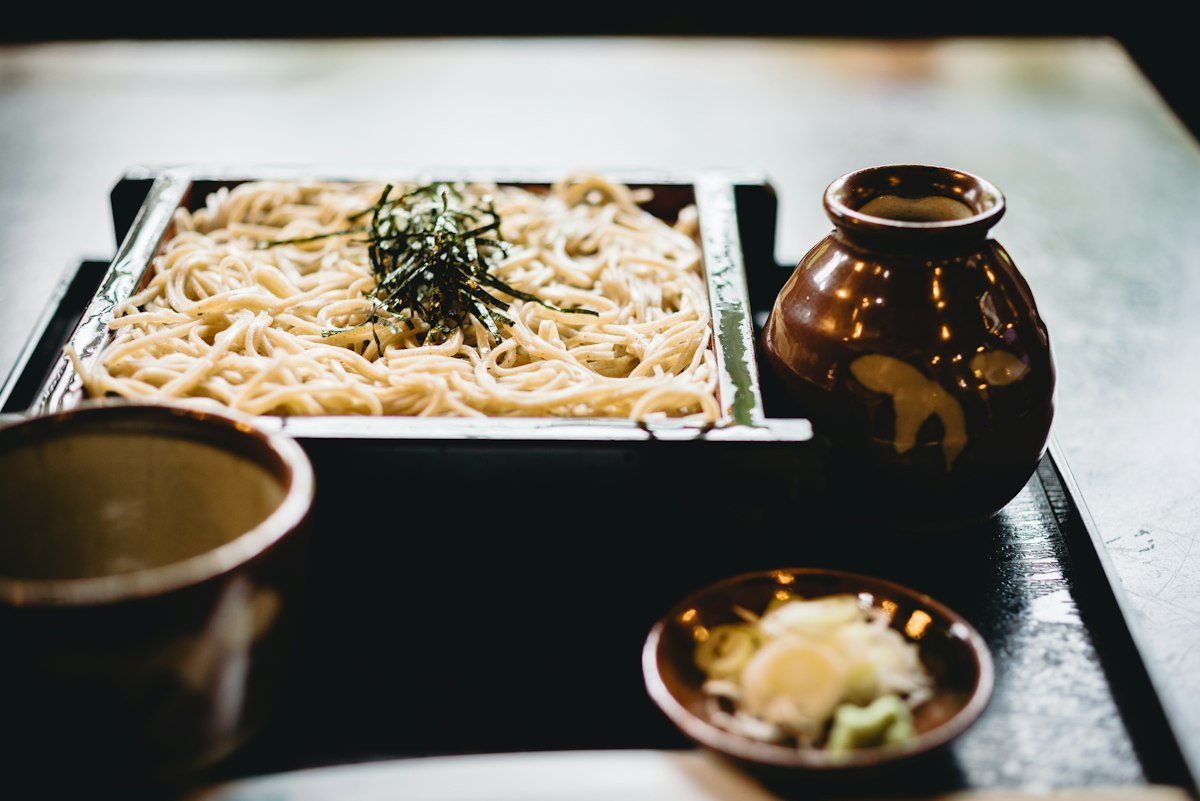
- •Udon/soba (100% soba buckwheat is GF; most soba restaurants use 80:20 soba:wheat)
Usually Contains Gluten
- •Regular soy sauce (shoyu) — contains wheat; use tamari instead
- •Ramen noodles and most noodles (wheat-based)
- •Tempura (wheat flour batter)
- •Okonomiyaki and takoyaki (wheat flour base)
- •Gyoza wrappers (wheat)
- •Most bread, pastries, and baked goods
- •Panko breadcrumbs on tonkatsu/karaage
Essential Japanese Phrases
| Japanese | Romaji | Meaning |
|---|---|---|
| グルテンアレルギーです | Guruten arerugī desu | I have a gluten allergy |
| 小麦が入っていますか? | Komugi ga haitte imasu ka? | Does this contain wheat? |
| 醤油は入っていますか? | Shōyu wa haitte imasu ka? | Does this contain soy sauce? |
| たまり醤油はありますか? | Tamari shōyu wa arimasu ka? | Do you have tamari soy sauce? |
| グルテンなしで作れますか? | Guruten nashi de tsukuremasu ka? | Can you make it without gluten? |
| 小麦粉は使わないでください | Komugiko wa tsukawanaide kudasai | Please don't use wheat flour |
6 Tips for Gluten-Free Travel in Japan
Carry a Gluten-Free Card
Download a Japanese-language celiac card explaining your dietary needs. Show it to restaurant staff — verbal communication about gluten is very difficult due to the language barrier.
Request Tamari Instead of Soy Sauce
Tamari (たまり醤油) is traditionally brewed without wheat. Ask: "shoyu no kawari ni tamari wo tsukattekudasai." Many sushi restaurants can accommodate this.
Target Sashimi-Focused Restaurants
High-end sashimi restaurants (kaisendon, omakase) are your best option — raw fish, rice, pickles, and miso are all manageable with careful ordering.
Be Specific About Cross-Contamination
Japanese kitchens typically prepare multiple dishes on the same surfaces. If you have severe celiac, specify "konatsu ga haitta douguwa tsukawanaidekudasai" (please don't use utensils that touched flour).
Look for Buddhist Vegetarian Restaurants
Shojin ryori (Buddhist vegan cuisine) avoids wheat flour as well as meat. Temples often offer shojin ryori lunches — these tend to be the most naturally GF-friendly meals in Japan.
Cook Your Own — Supermarkets are Your Friend
Japanese supermarkets stock many naturally GF items: fresh fish, tofu, rice, vegetables, eggs. Look for tamari soy sauce (label: たまり醤油 or GF mark). Convenience stores also sell plain rice balls and salads.
Gluten-Free Cooking Experiences
Some cooking class operators offer GF-adapted lessons — sashimi prep, tamari-based dishes, and mochi making are natural fits.
Frequently Asked Questions
Is Japan safe for celiac travelers?▾
Is Japanese soy sauce gluten-free?▾
Can I eat sushi if I have celiac disease?▾
Are there dedicated gluten-free restaurants in Japan?▾
What about ramen — can I eat it?▾
Is mochi safe for gluten-free travelers?▾
Related Guides
Find Hotels Near the Best GF Restaurants
Staying central makes it much easier to find gluten-free dining options. Look for hotels in Shinjuku (Tokyo) or near Kyoto Station.