Night Life Japan
Japan Nightlife Guide
From Golden Gai's 10-seat bars to Fukuoka's open-air yatai stalls — everything you need for an authentic night out in Japan.
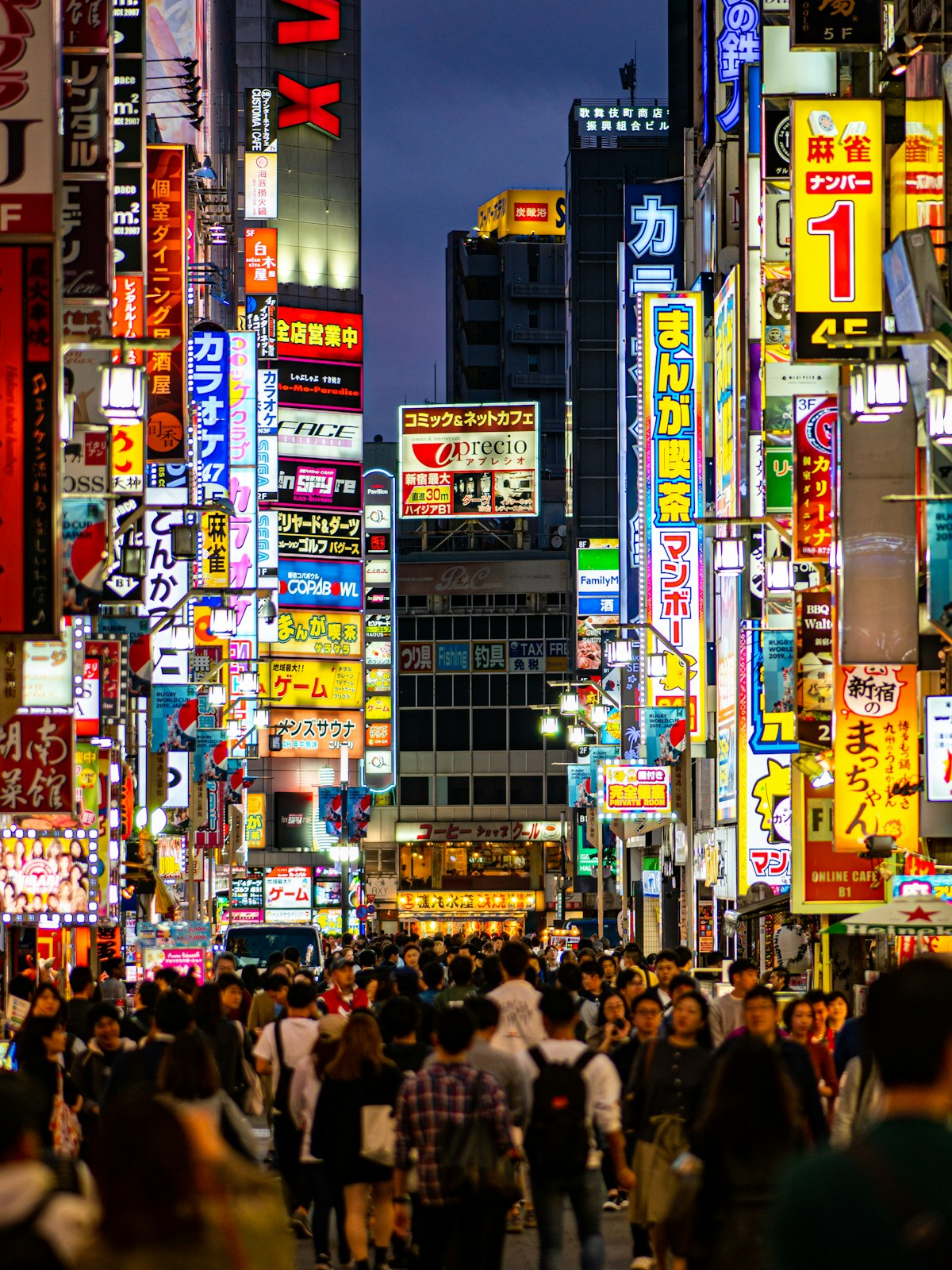
Japan's nightlife is as layered as its culture. You can spend one evening in a 6-seat Golden Gai bar talking jazz with a retired newspaper photographer, and the next at a rooftop club overlooking 35 million neon lights. The common thread is quality — Japan's bar culture is precise, considered, and genuinely hospitable.
This guide covers the best nightlife cities, neighborhood by neighborhood, plus the bar types and etiquette you need to navigate Japanese nights confidently.
Nightlife by City
Tokyo
The city that never quite sleeps
| Area | Type | Vibe | Budget |
|---|---|---|---|
| Shinjuku — Kabukicho & Golden Gai | Entertainment District | Neon chaos to intimate bars | ¥800–¥3,000/drink |
| Shibuya — Center-gai & Dogenzaka | Youth & Club District | High-energy clubs and DJ bars | ¥1,500–¥3,500/entry |
| Roppongi | International Bar Strip | Expat bars, clubs, jazz lounges | ¥1,000–¥4,000/drink |
| Shimokitazawa | Live Music & Indie Bars | Student bars, vinyl record shops | ¥500–¥2,000/drink |
Golden Gai in Shinjuku is 6 narrow alleys with 200+ tiny bars — each fitting just 5–10 people. These bars have been gathering places for artists, writers, and musicians since the 1960s. Each bar has its own theme, curated music, and owner. Cover charge ¥500–¥1,000 is typical.
Osaka
Eat, drink, and be merry — Osaka's motto
| Area | Type | Vibe | Budget |
|---|---|---|---|
| Namba & Dotonbori | Entertainment Quarter | Street food + bar crawl | ¥600–¥1,500/drink |
| Shinsaibashi & Amerika-mura | Youth Fashion & Clubs | Outdoor bar tables, club basements | ¥1,000–¥2,500/entry |
| Kitashinchi | Upscale Bar District | Whisky bars, cocktail lounges | ¥1,500–¥5,000/drink |
| Fukushima | Local Izakaya Strip | Authentic neighborhood izakaya | ¥400–¥1,200/drink |
Osaka's "kuidaore" (eat until you drop) culture extends into nightlife. Dotonbori at 10pm is one of Japan's most electric street experiences — neon signs, takoyaki smoke, and thousands of people from every country. Japanese hosts and tourists mix freely in the entertainment strip.
Kyoto
Ancient temples by day, elegant bars by night
| Area | Type | Vibe | Budget |
|---|---|---|---|
| Gion & Hanamikoji | Traditional Entertainment Quarter | Ochaya teahouses, sake bars | ¥1,000–¥5,000/drink |
| Pontocho Alley | River-Facing Dining & Bar Strip | Atmospheric lantern-lit narrow alley | ¥800–¥3,000/drink |
| Kiyamachi | Canal Bar District | Student bars to upscale clubs along the canal | ¥600–¥2,000/drink |
Pontocho is Kyoto's most distinctive nightlife experience — a 500m narrow alley between the Kamo and Takase rivers, lined with some of Japan's most atmospheric lantern-lit bars and restaurants. In summer, restaurants extend wooden terraces (kawayuka) over the Kamo River. Kyoto nightlife is restrained and sophisticated — Golden Gai-style dive bars don't exist here.
Fukuoka
Ramen, yatai stalls, and Nakasu river district
| Area | Type | Vibe | Budget |
|---|---|---|---|
| Nakasu Island | Riverside Entertainment | Clubs, cabarets, bars, late-night dining | ¥800–¥2,500/drink |
| Tenjin South | Bar & Club Cluster | Rooftop bars, jazz cafes | ¥600–¥2,000/drink |
| Yatai Stalls (Canal City / Tenjin) | Street Food Night Market | Open-air ramen stalls — uniquely Fukuoka | ¥800–¥1,500/bowl |
Fukuoka is the only major Japanese city where yatai (open-air food stalls) remain a living tradition rather than a tourist attraction. Around 150 yatai stalls set up nightly along the Naka River and in Tenjin. Each stall seats 6–10 people. The late-night ramen culture — sipping tonkotsu ramen at a canal-side stall after midnight — is genuinely irreplaceable.
Sapporo
Beer city with Susukino entertainment complex
| Area | Type | Vibe | Budget |
|---|---|---|---|
| Susukino | Hokkaido's Largest Entertainment District | Karaoke, izakaya, late-night ramen | ¥500–¥2,000/drink |
Susukino is Japan's northernmost major entertainment district, covering 20+ blocks south of Odori Park. With 5,000+ shops, restaurants, and bars, it rivals Shinjuku in density. Sapporo's beer culture is genuine — Sapporo Beer Museum is nearby, and local craft beers are available everywhere. Winter in Susukino with snow piled outside and warm ramen inside is quintessential Hokkaido.
Okinawa
Tropical nights, Okinawan awamori, live folk music
| Area | Type | Vibe | Budget |
|---|---|---|---|
| Kokusai-dori (Naha International Street) | Main Bar & Restaurant Strip | Okinawa folk music (Ryukyu) bars, awamori distillery cafes | ¥600–¥1,800/drink |
Okinawan nightlife revolves around awamori — the islands' indigenous distilled spirit made from Thai rice. Unlike Japanese sake or shochu, awamori can be aged for decades (koshu awamori). Live Ryukyu folk music with the sanshin (Okinawan banjo) plays nightly in most Kokusai-dori bars. The relaxed island atmosphere makes Okinawan nightlife distinctly different from mainland Japan.
Stay Near Tokyo's Nightlife
Shinjuku and Shibuya — walk home from the action or take a quick taxi.
Types of Bars in Japan
Know the format before you walk in — each bar type has its own unspoken rules.
Izakaya (居酒屋)
Japan's most democratic drinking institution — a casual pub-restaurant hybrid. Order beer, sake, shochu, or highballs alongside small plates (edamame, karaage, yakitori). The nomihodai (all-you-can-drink) option (¥1,200–¥2,500/2 hours) is perfect for groups. Look for the red paper lanterns outside.
¥400–¥800 per drink; full meal + drinks ¥2,500–¥5,000/person
Best for: Groups, first-time visitors, casual evenings
Shot Bar
Small counter bars (8–20 seats) specializing in whisky, shochu, or cocktails. The bartender is often the owner and knowledgeable about their specialty. Japanese craft whisky (Nikka, Suntory, many small distilleries) is excellent here. A charge (¥500–¥1,000) per seat is standard.
¥800–¥3,000 per drink; ¥500–¥1,000 table charge
Best for: Whisky lovers, solo travelers, conversation with the bartender
Karaoke Box
Japan's karaoke is private-room singing, not stage performance. Groups rent soundproofed rooms by the hour (¥400–¥1,500/hour/person). All-you-can-drink is almost always available. English song libraries are extensive at chains like JOYSOUND and Karaoke-kan. A mandatory part of any genuine Japan night out.
¥400–¥1,500/hour/person; nomihodai typically ¥1,200–¥2,000 extra
Best for: Groups, birthday celebrations, an authentic Japan experience
Jazz Bar
Japan has one of the world's deepest jazz bar cultures, especially in Tokyo (Shinjuku, Nakameguro) and Osaka. Many bars play vinyl records only, curated by the owner. Cover charge ¥1,000–¥2,000 usually includes one drink. The listening culture is respectful — conversations are hushed.
¥1,000–¥2,000 cover; ¥800–¥2,500 per drink
Best for: Music lovers, a quieter but sophisticated night out
Standing Bar (Tachinomi)
Pay-as-you-go bar with no seats — customers stand at counters or along the street. Beer from ¥400, sake from ¥300. Found near train stations and in traditional shopping arcades. The most casual and cheapest way to drink in Japan, frequented by salarymen on their commute home.
¥300–¥800 per drink; no seat or table charge
Best for: Budget travelers, a quick drink, meeting locals
Rooftop Bar
City-view rooftop bars have expanded across Japanese cities since 2018. Tokyo's Park Hyatt bar (New York Bar, from the film Lost in Translation) and Shibuya Sky Observation Deck have inspired many imitators. Best enjoyed at dusk for the view transition from golden hour to neon.
¥1,500–¥5,000 per drink; some require entry fee
Best for: Romantic evenings, first night in a new city, photography
Book a Guided Bar or Night Tour
Guided bar crawls take you inside Golden Gai, izakaya, and local spots not found on tourist maps.
Japanese Bar Etiquette
Wait for the kanpai
Don't drink before everyone has their glass and the kanpai (toast) is made. The first toast is always with beer, even if you plan to switch later.
Pour for others, not yourself
Pouring your own drink in a group is considered slightly rude. Pour for the person next to you, and someone will pour for you. Keep an eye on others' glasses.
No shoes in some bars
Traditional tatami-floor izakaya and some smaller bars require shoes off at the entrance. Look for raised floors and a shoe storage area as you enter.
Cover charges are normal
Most bars in Japan charge a sitting fee (chaaji/otoshi) of ¥300–¥1,000 per person, which usually includes a small appetizer. This is displayed outside — not a surprise on the bill.
Last train time matters
Most Japanese train lines stop between midnight and 1am. After that, taxis are expensive (¥3,000–¥10,000 to most hotels). Plan your night around the last train or budget for a taxi.
Outdoor drinking has rules
Drinking on the street is technically legal in Japan but frowned upon outside of festival contexts and designated areas. Convenience store beer is fine on a bench in a park but avoid walking while drinking.
Stay Near Osaka's Dotonbori
Namba is the heart of Osaka nightlife — walk home after midnight.
Frequently Asked Questions
What is the legal drinking age in Japan?
The legal drinking age in Japan is 20 years old. ID checks are rare at bars and izakaya but do occur at convenience stores and vending machines. Foreigners may be asked to show a passport.
What time do bars close in Japan?
Izakaya and restaurants typically close at 11pm–midnight. Some shot bars and karaoke venues operate until 3–5am. Clubs in Tokyo's Roppongi and Shibuya often run until 5–6am on weekends. The last trains run around midnight, so night owls should budget for taxis home.
What is nomihodai and how does it work?
Nomihodai (飲み放題) is an all-you-can-drink plan, typically ¥1,500–¥2,500 per person for 2 hours. It's offered at most izakaya chains (Watami, Torikizoku, Fuunji) and karaoke venues. You order drinks freely within the time limit. Beer, sake, shochu, cocktails, and soft drinks are usually included; premium whisky and wine are excluded.
Is Japan nightlife safe?
Japan has some of the lowest violent crime rates in the world. Walking through Shinjuku or Dotonbori at 2am is generally safe for tourists. However, Kabukicho in Shinjuku has touts ("scouts") inviting you to overpriced hostess clubs — politely decline. Never enter an establishment without seeing prices posted outside.
What is Golden Gai in Shinjuku?
Golden Gai is a network of 6 narrow lanes in Shinjuku containing approximately 200 tiny bars, most seating fewer than 10 people. Each bar has its own theme (film noir, horror, jazz, wrestling) and owner. Cover charge ¥500–¥1,000. This area survived postwar demolition and has been a gathering place for artists and writers for 70 years. It's one of Tokyo's most distinctive urban experiences.
What are yatai stalls in Fukuoka?
Yatai are portable open-air food stalls set up nightly in Fukuoka's Tenjin and Nakasu districts — one of Japan's most photogenic street food traditions. Around 150 stalls serve tonkotsu ramen, yakitori, and oden from tiny enclosed carts seating 6–10 people. Each yatai has its own owner and specialty. They operate from approximately 6pm to midnight (some until 2am), weather permitting.
Related Travel Guides
Found this guide useful? Share it: