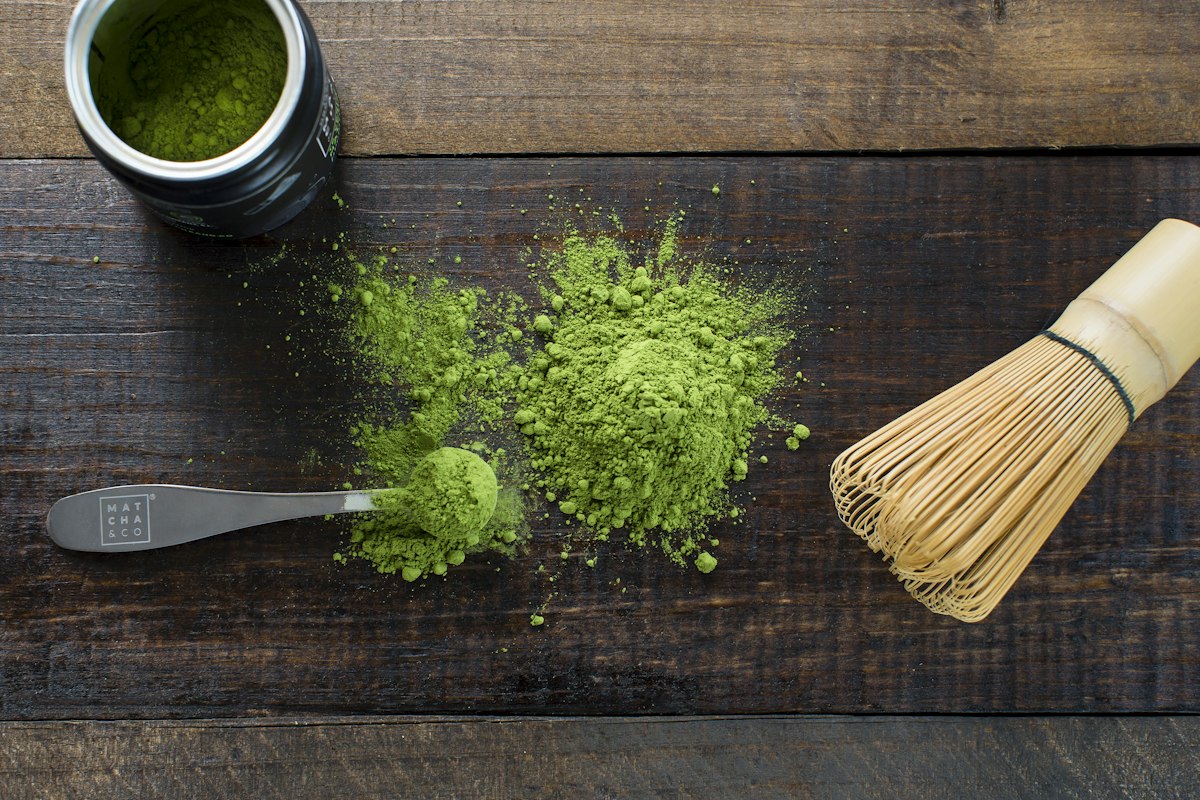
The Japanese tea ceremony (茶道, Chadō — "the way of tea") is one of Japan's most profound cultural arts. Born from the Zen Buddhist concept of finding the infinite within the ordinary, it transforms the simple act of preparing and drinking tea into a meditation on beauty, impermanence, and human connection. Experiencing it — even in an abbreviated tourist form — offers a window into the Japanese aesthetic philosophy that still shapes everything from architecture to hospitality.
Brief History of Chadō
Tea Introduced from China
Buddhist monk Eichu brought tea seeds from Tang Dynasty China to Japan. Tea was initially consumed medicinally and in Buddhist monasteries.
Matcha Arrives
Zen priest Eisai promoted powdered tea (matcha) and Zen practice together. The whisk-prepared matcha we recognize today developed from this tradition.
Muromachi Period — The Wabi-Cha Aesthetic
Tea master Murata Jukō developed the wabi-cha style: simple, rustic, valuing imperfection. This became the foundation of tea ceremony philosophy.
Sen no Rikyū Codifies the Way
The greatest tea master in history refined Chadō into the comprehensive art it is today. His four principles — wa (harmony), kei (respect), sei (purity), jaku (tranquility) — remain the foundation of all tea schools. He served under Toyotomi Hideyoshi and died on his order in 1591.
Living Tradition
The three main Senke schools (Urasenke, Omotesenke, Mushakōjisenke) have millions of students worldwide. Tea ceremony remains central to Japanese cultural identity, practiced in schools, cultural centers, and traditional households.
The Tea Ceremony: Step by Step
Enter the Roji (露地) Garden Path
The stepping stone garden path leading to the teahouse is itself part of the ceremony — a transition from the ordinary world. Walk slowly and mindfully. A stone water basin (tsukubai) is used to wash your hands, a purification ritual before entering.
Enter Through the Nijiriguchi
Traditional teahouses have a small crawl-through entrance (躙口, nijiriguchi) about 60cm square. All guests — regardless of social rank — must bow to enter. This physically enacted equality is a core principle of wabi-cha.
Admire the Tokonoma (Alcove)
The tokonoma (床の間) is a raised alcove displaying a hanging scroll (kakejiku) and a flower arrangement (chabana). The scroll is carefully chosen to evoke the season or occasion. Guests are expected to admire these — ask your host about them if you wish.
Eat the Wagashi (Japanese Sweet)
Before drinking the tea, a small Japanese sweet (和菓子, wagashi) is served. These are designed to complement the bitterness of matcha with their sweetness. Eat the sweet completely before receiving your bowl of tea.
Receive the Tea Bowl
The host will set the bowl before you. Bow your head in acknowledgment. Before drinking, rotate the bowl clockwise 2–3 times (to avoid drinking from the "front" of the bowl, which is its most beautiful face). Drink in 3–4 sips.
Wipe the Rim & Return the Bowl
After drinking, use the cloth provided (or your own kaishi paper) to wipe the rim clockwise. Rotate the bowl counterclockwise back to its original orientation. Place it before you and admire the bowl before the host retrieves it.
Tea Ceremony Etiquette
Remove shoes before entering the teahouse
Sit quietly and avoid unnecessary conversation
Admire the tea bowl and utensils with appreciation
Bow when receiving and returning the bowl
Eat the wagashi sweet before drinking the tea
Turn the bowl to avoid the front face
Don't speak loudly or use your phone
Don't touch or handle the utensils unless instructed
Don't rush — stillness is part of the practice
Don't wear strong perfume or cologne
Don't cross your legs in seiza position
Don't point at the host or utensils
Best Places to Experience Tea Ceremony
Kyoto
The undisputed capital of tea ceremony culture. Dozens of teahouses welcome visitors in traditional machiya townhouses, temple gardens, and purpose-built chashitsu.
Urasenke Foundation
The most prestigious tea school. Offers monthly public programs and school tours. Reserve months in advance.
En (宇治)
Authentic uji matcha ceremony in Uji — the heart of Japanese tea country. 45-minute ceremony with premium Uji matcha.
Camellia Tea Experience
English-friendly ceremony in Higashiyama. Popular with tourists, clear explanations, kimono option available.
Shorenin Temple Garden
Serene garden teahouse inside a 1,200-year-old temple. Simple matcha + wagashi with a garden view.
Tokyo
While less associated with traditional tea culture than Kyoto, Tokyo has exceptional tea experiences in gardens and cultural centers.
Hamarikyu Gardens Teahouse
Historic garden with a traditional teahouse on a pond. Simple matcha and seasonal wagashi in a beautiful setting.
Happoen Garden
Private Japanese garden in Shirokanedai with formal tea ceremony experiences. Reservations required.
Shinjuku Gyoen National Garden
Traditional teahouse inside the garden serves matcha on weekends. Very accessible and relaxed atmosphere.
Kanazawa
Japan's finest preserved castle town outside Kyoto. The traditional tea culture here rivals Kyoto's but with far fewer tourists.
Kenrokuen Garden Teahouse
Japan's most celebrated garden has multiple teahouses serving matcha. Extraordinary seasonal settings.
Higashi Chaya District Tea Houses
Traditional geisha district with authentic machiya teahouses. Some offer intimate ceremony experiences.
Stay in Japan's Tea Ceremony Heartlands
Essential Tea Ceremony Vocabulary
| Japanese | Romaji | Meaning |
|---|---|---|
| 茶道 | Chadō / Sadō | The Way of Tea — the ceremonial practice |
| 抹茶 | Matcha | Powdered green tea used in the ceremony |
| 茶碗 | Chawan | The tea bowl — most important utensil |
| 茶筅 | Chasen | Bamboo whisk for frothing the tea |
| 茶杓 | Chashaku | Bamboo scoop for measuring matcha |
| 和菓子 | Wagashi | Traditional Japanese sweets served before tea |
| 茶室 | Chashitsu | The tea room |
| 躙口 | Nijiriguchi | The small crawl-through entrance of the teahouse |
| 正座 | Seiza | Formal kneeling position on tatami |
| 侘び | Wabi | Rustic simplicity and quiet beauty — core aesthetic |
Frequently Asked Questions
What is the Japanese tea ceremony?▼
The tea ceremony (Chadō) is a ritualized practice of preparing and serving matcha embodying four principles: harmony, respect, purity, and tranquility. It originated in Zen Buddhist tradition and was codified by Sen no Rikyū in the 16th century.
Do I need to sit in seiza (kneeling) during the tea ceremony?▼
Traditional ceremonies use seiza (formal kneeling). Most tourist-oriented experiences offer cushion alternatives or permit sitting cross-legged. Inform your host in advance if kneeling is difficult — accommodations are almost always available.
What should I wear to a tea ceremony?▼
Neat, comfortable clothing in modest colors. You will remove your shoes, so wear clean socks. Some Kyoto venues offer kimono rental for an additional fee.
Where is the best place to experience a tea ceremony in Japan?▼
Kyoto is the home of Japanese tea ceremony with hundreds of teahouses. Top venues include Urasenke (most prestigious school), En in Uji, and Camellia Tea Experience. Tokyo's Hamarikyu Gardens and Kanazawa's Kenrokuen also offer excellent settings.
How much does a tea ceremony experience cost?▼
Basic matcha + wagashi at temple gardens: ¥500–¥2,000. Full ceremony with explanation: ¥3,000–¥8,000. Premium private sessions with kimono: ¥15,000–¥30,000 per person.
What are the main schools of Japanese tea ceremony?▼
Three schools (Senke) trace back to Sen no Rikyū: Urasenke (most internationally active, public programs in Kyoto), Omotesenke (austere, traditional aesthetic), and Mushakōjisenke. Urasenke is the most accessible for foreign visitors.
Found this guide useful? Share it: