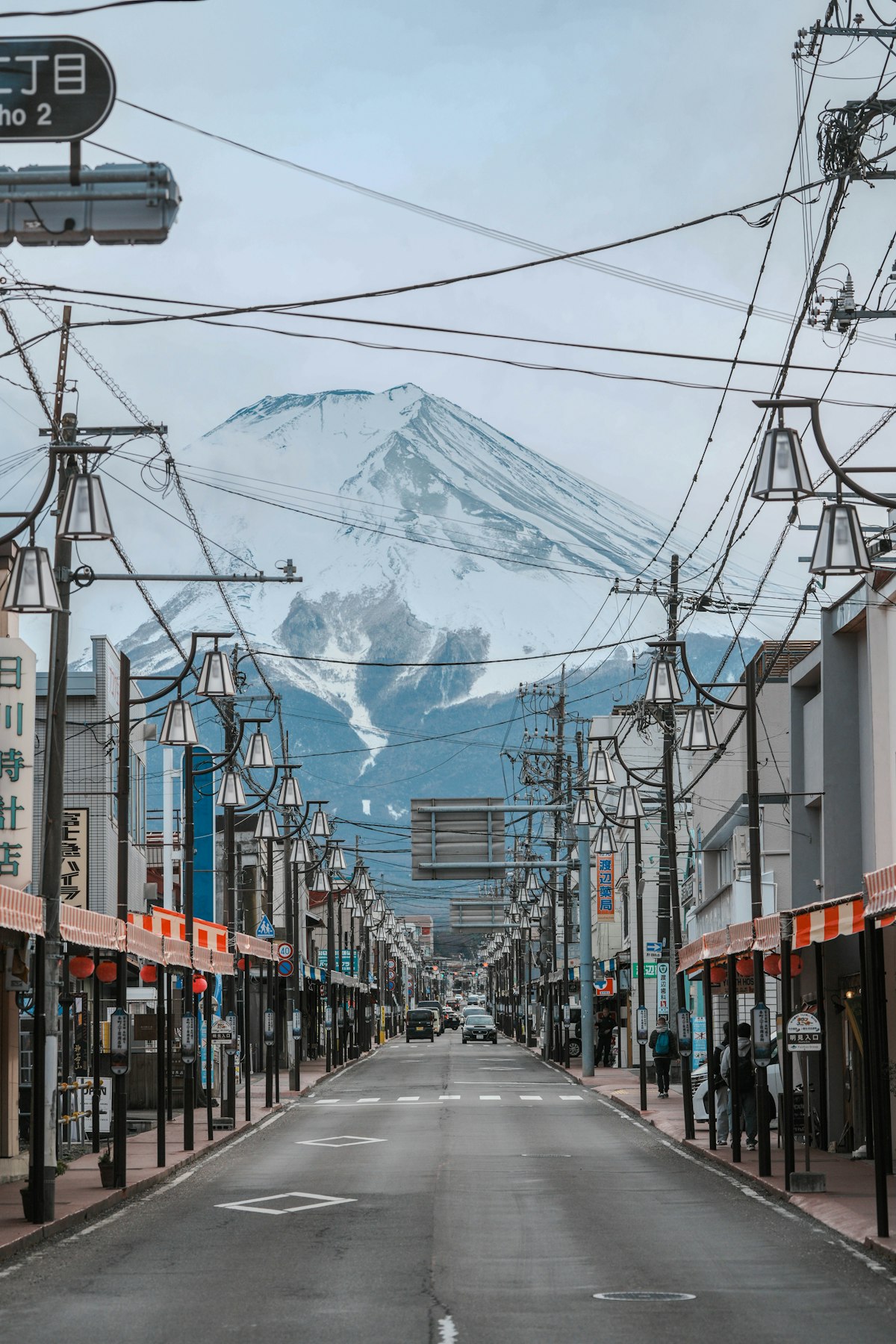
Renting a car in Japan unlocks some of the country's most spectacular scenery — the flower fields of Hokkaido, the mountain roads of Shikoku, the rugged coastlines of Kyushu, and rural villages inaccessible by train. Japan's roads are impeccably maintained and traffic flows in an orderly, respectful manner. With the right preparation, driving in Japan is a rewarding experience.
Driving Permit Requirements
Most Countries: IDP Required
Citizens of most countries (USA, UK, Canada, Australia, etc.) need a Geneva Convention International Driving Permit (IDP) obtained in your home country BEFORE departure. A JAF-recognized IDP is required — the Vienna Convention IDP is NOT accepted.
Germany, France, Switzerland, Belgium
Citizens of these countries can use their national driver's license along with an official Japanese translation issued by JAF or their country's automobile association. The translation must be carried with the original license at all times.
Taiwan
Taiwan license holders can drive in Japan using their Taiwan license with an official Japanese translation (issued by the Taiwan Motor Vehicles Office or JAF). No IDP needed.
Stay Duration Rules
If you stay in Japan for more than 3 months, you must obtain a Japanese driver's license regardless of your IDP status. Short-term tourists visiting for under 3 months can drive throughout their stay with a valid IDP.
Tip:Get your IDP from AAA (USA), AA/RAC (UK), CAA (Canada), or your national automobile club. They typically cost $15–$30 USD and are issued on the spot with your passport photo and valid driver's license. IDP is valid for 1 year.
Essential Road Rules
Drive on the LEFT
Traffic flows on the left side of the road. Steering wheel is on the right side of the vehicle. At intersections, yield to traffic coming from the right.
Zero Tolerance for Drunk Driving
Japan has a legal blood alcohol limit of 0.03% (much stricter than most countries). Even one drink can put you over. Punishment includes up to 5 years in prison. Designated driver culture is well established — choose carefully.
Speed Limits
Urban roads: 40–60 km/h. Rural national routes: 60 km/h. Expressways: 100–120 km/h as posted. Speed cameras are common and fines are substantial.
No Right Turn on Red
Unlike the USA, you cannot turn left (the equivalent of right in left-hand traffic) on a red light unless a specific sign permits it.
At Level Crossings (Train Tracks)
You must stop before all railway crossings regardless of whether a train is coming. This is strictly enforced. Look both ways and proceed only when safe.
Seat Belts Always
All passengers must wear seat belts. Children under 6 must be in a child safety seat. Rental agencies can provide child seats for an additional fee.
Mobile Phone Use Prohibited
Using a handheld mobile phone while driving is illegal and carries heavy fines. Use a holder mount or hands-free system.
Emergency Vehicles
Pull to the left and stop when emergency vehicles (with sirens) are passing, even on expressways. This is required by law.
Expressways & Toll Roads
Japan's expressway network (高速道路, kōsoku dōro) is extensive, well-signposted in both Japanese and English, and connects all major cities. Tolls are charged at entry/exit gates or at intervals on longer routes.
| Route | Distance | Approx. Toll | Drive Time |
|---|---|---|---|
| Tokyo → Osaka | 516 km | ¥5,800–¥6,500 | ~5.5 hours |
| Tokyo → Kyoto | 476 km | ¥5,500–¥6,000 | ~5.0 hours |
| Osaka → Hiroshima | 329 km | ¥3,800–¥4,300 | ~3.0 hours |
| Fukuoka → Hiroshima | 289 km | ¥3,200–¥3,800 | ~2.5 hours |
| Sapporo → Hakodate | 300 km | ¥3,500–¥4,200 | ~3.5 hours |
| Tokyo → Nikko | 140 km | ¥2,800–¥3,200 | ~2.0 hours |
ETC Card: Ask your rental agency for an ETC card (≈¥330/day). It lets you glide through ETC lanes without stopping for cash, and some expressways offer ETC discounts (especially on weekends with NEXCO discounts up to 30%).
Car Rental Tips
Book in Advance
Japanese rental agencies (Toyota Rent a Car, Times Car, Nippon Rent-A-Car, Orix) often sell out, especially during Golden Week (late April/early May), O-Bon (mid-August), and New Year. Book 2–4 weeks ahead for these periods.
Credit Card Required
Most agencies require a credit card for the security deposit. Some won't accept debit cards. International cards (Visa, Mastercard, Amex) are widely accepted.
Insurance Options
Basic liability insurance is included. Consider upgrading to "Non Operation Charge" (NOC) waiver (¥1,000–¥1,500/day) which covers the agency's revenue loss if your car is damaged. CDW (Collision Damage Waiver) is also recommended.
Fuel is Leaded/Unleaded
Most rental cars use regular unleaded (レギュラー, Regyurā). Self-service gas stations are common. Some stations are full-service — an attendant will pump for you. Always return the car with a full tank or pay the agency's premium refueling rate.
Navigation Systems
Japanese car navigation (カーナビ) is standard in almost all rentals. Input your destination by phone number — many Japanese addresses are complex, and phone numbers of businesses/hotels are often the easiest input method.
One-Way Rentals
Major agencies allow one-way rentals (乗り捨て) between different cities for an additional fee (¥5,000–¥20,000 depending on distance). This is great for linear road trips like Hokkaido south-to-north or driving the entire Shikoku loop.
Best Road Trip Routes
Hokkaido Summer Drive
7–10 daysBase: SapporoBest: July – August- ◆ Furano lavender fields
- ◆ Biei Blue Pond
- ◆ Daisetsuzan National Park
- ◆ Shiretoko UNESCO
- ◆ Lake Toya & Niseko
Insider tip: The most uncongested major road trip in Japan. Roads are wide, distances are long, and traffic is minimal compared to Honshu.
Shikoku Island Circuit
5–7 daysBase: Takamatsu or MatsuyamaBest: April – June, Oct – Nov- ◆ Iya Valley vine bridges
- ◆ Cape Ashizuri
- ◆ Kochi's Katsura Beach
- ◆ Naruto whirlpools
- ◆ Kotohira's Kompira-san
Insider tip: Japan's most underrated road trip. Stunning coastal and mountain roads with virtually zero foreign tourists outside major towns.
Kyushu Volcanic Loop
4–6 daysBase: FukuokaBest: March – May, Oct – Nov- ◆ Mt. Aso caldera drive
- ◆ Kurokawa Onsen
- ◆ Kagoshima & Sakurajima ferry
- ◆ Kirishima National Park
- ◆ Miyazaki coast
Insider tip: Drive through active volcanic landscapes unlike anywhere else in Japan. The road across Aso's caldera rim offers one of Japan's most dramatic drives.
Noto Peninsula & Sea of Japan
3–4 daysBase: KanazawaBest: May – September- ◆ Wajima morning market
- ◆ Kiriko Lantern Festival (Aug)
- ◆ Senmaida rice terraces
- ◆ Suzu salt farms
- ◆ Ganmon rock arches
Insider tip: A hidden gem accessible only by car. Remote fishing villages, rugged coastline, and traditional crafts far from the tourist trail.
Book Hotels for Your Road Trip
Parking in Japan
Mechanical Parking Garages
Common in dense urban areas. Drive onto a palette and the machine rotates your car into storage. Retrieval takes 3–5 minutes. Have your ticket ready and wait patiently — they operate on a fixed sequence.
Coin Parking Lots
Self-service lots (コインパーキング) are widespread. A barrier rises under your car when you park. Pay at the kiosk before retrieving your car. Most are 24-hour operations accepting cash and sometimes IC cards.
Hotel Parking
Most hotels outside major city centres offer parking, often for ¥1,000–¥2,500/night. In central Tokyo and Osaka, expect ¥3,000–¥5,000/night. Always confirm parking availability when booking.
Illegal Parking Consequences
Japan enforces parking laws rigorously. Illegally parked cars are towed or fitted with wheel clamps. Reclaiming an impounded vehicle costs ¥30,000–¥50,000 plus a long trip to a distant impound lot. Always use designated parking.
Rural Parking
Temples, shrines, and tourist attractions in rural areas typically have free or inexpensive parking (¥300–¥500 flat rate). These often fill up early on weekends and national holidays — arrive before 9 AM.
Frequently Asked Questions
Do I need an international driving permit to drive in Japan?▼
Yes, most foreign visitors need a Geneva Convention IDP obtained in their home country before departure. Get it from your national automobile club (AAA, AA, CAA, etc.) for around $15–$30.
Which side of the road does Japan drive on?▼
Japan drives on the LEFT side of the road with right-hand-drive vehicles. Allow extra time to adjust if you come from a country that drives on the right.
How do Japanese toll roads work?▼
Expressways charge tolls at entry/exit gates. Pay cash or use an ETC card (ask your rental agency). Tokyo to Osaka tolls cost approximately ¥5,800–¥6,500 one way.
Is parking difficult and expensive in Japan?▼
Parking in major cities is expensive (¥300–¥600/30 min). In rural areas, free parking is common at tourist sites. Never park illegally — fines and towing are strictly enforced.
Can I use Google Maps for navigation in Japan?▼
Yes, Google Maps works well. Yahoo! カーナビ is preferred by locals. Rental car navigation systems are also excellent and can be operated in English.
What is the blood alcohol limit for driving in Japan?▼
Japan has a very strict limit of 0.03% BAC — lower than most countries. Zero alcohol is the practical standard. Penalties include heavy fines and imprisonment. Do not drink and drive under any circumstances.
Found this guide useful? Share it: