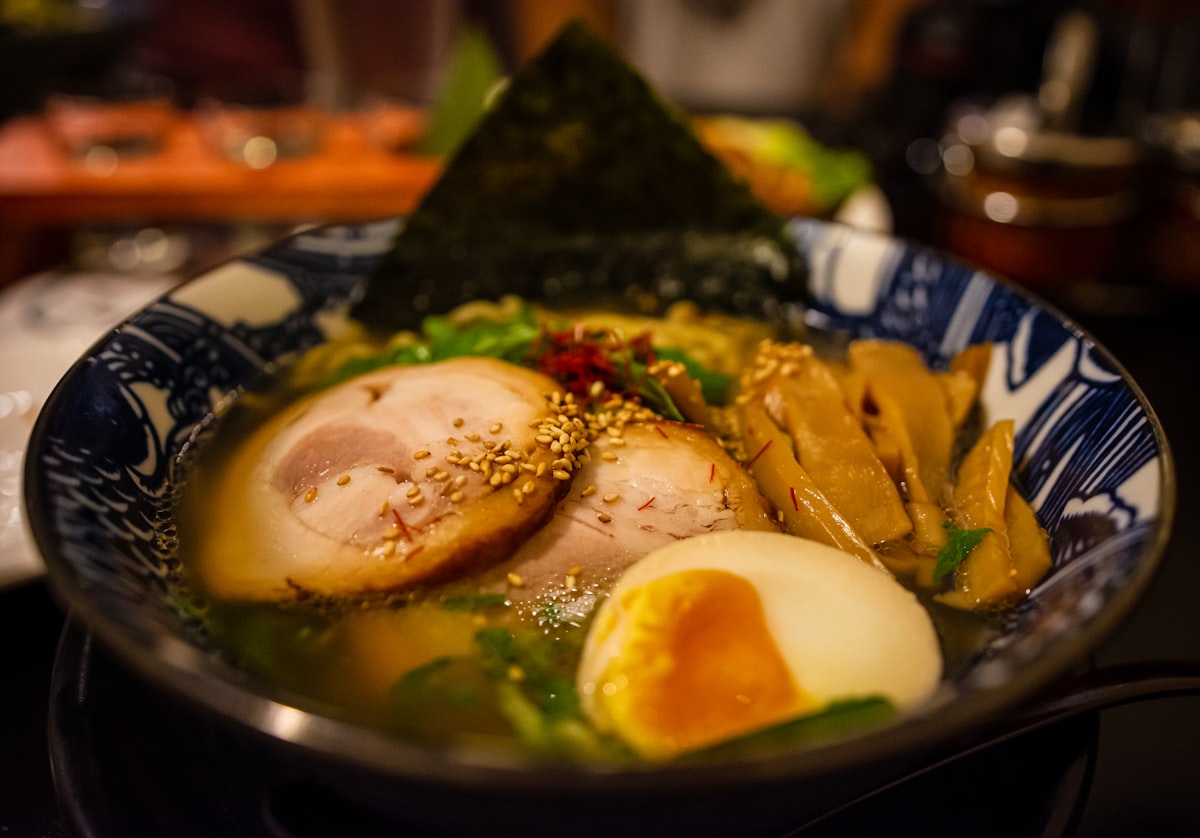
Japan Ramen Museum Guide 2026
Shin-Yokohama Ramen Museum, Cup Noodles Museum & regional ramen styles — the complete guide
Shin-Yokohama Ramen Museum, Cup Noodles Museum & regional ramen styles — the complete guide
Japan's ramen museums turn one of the world's most beloved noodle dishes into an immersive cultural experience. At Shin-Yokohama you can taste eight distinct regional styles under a single roof inside a lovingly recreated 1958 streetscape. At the Cup Noodles Museum you can design your own instant noodle cup and learn how Momofuku Ando's 1958 invention fed the post-war world. Whether you're a first-time ramen eater or a seasoned slurper chasing regional variations from Sapporo to Fukuoka, this guide covers everything you need to plan the perfect ramen pilgrimage.
Japan's first food theme park, open since 1994. The basement recreates a 1958 Showa-era Tokyo streetscape complete with vintage storefronts, period props, and atmospheric alley lighting. Eight rotating ramen shops represent top regional styles from across Japan — try a ko-size (half) bowl at two or three shops in a single visit. Entry ¥380; bowls ¥450–¥950. A 5-minute walk from Shin-Yokohama Station on the Tokaido Shinkansen line.
The interactive museum dedicated to Momofuku Ando's invention of instant ramen and the subsequent cup noodle revolution. Highlights: the My Cup Noodles Factory (design your own cup, ¥500, walk-in) and the Chicken Ramen Factory (hand-knead noodles from scratch, ¥1,500, reservation required). The main museum galleries are free and trace the global history of instant noodles through thousands of package designs. In Minatomirai, Yokohama — easy to combine with Cup Noodles Museum Osaka.
Eight of Sapporo's top ramen shops gathered on the 10th floor of JR Tower ESTA above Sapporo Station. The Hokkaido-retro streetscape features wooden storefronts and lanterns. All shops serve variations on the Sapporo triumvirate — miso, shio (salt), and shoyu — often with butter, corn, and fresh Hokkaido dairy. Open until 10 pm, making it an ideal late-night stop after a full day of Hokkaido sightseeing.
One of the pioneers of Tokyo's gourmet ramen movement and the restaurant credited with popularising tsukemen (dipping ramen) in the early 2000s. Multiple Tokyo locations including Shinjuku and Ikebukuro. The thick, full-flavored dipping broth and chunky hand-cut noodles set the template that dozens of successors have followed. Queue time typically 15–30 minutes; no reservations.
One of Tokyo's most iconic tsukemen queues — the line outside Fuunji's tiny Shinjuku shop begins forming before the 11 am opening. The specialty is tori paitan (rich white chicken) tsukemen with thick chewynoodles. Often cited as a required stop on any serious Tokyo ramen pilgrimage. Cash only; expect a 20–45 minute wait on weekdays, longer on weekends. Worth every minute.
Ippudo is one of Japan's most recognizable ramen chains globally, but the original Hakata shop in Fukuoka still pours the tonkotsu broth that made the brand famous. Hakata-style ramen uses ultra-thin straight noodles in a creamy, opaque pork bone broth seasoned with sesame and pickled ginger. The noodle hardness customization (kata-men = firm, futsuu = normal, yawa = soft) is Hakata tradition — order kata on your first visit.
Ramen originated as a Chinese wheat noodle dish (拉麺, lamian) introduced to Japan in the late Meiji era. It spread rapidly through pushcart vendors (yatai) in the postwar 1940s–50s when American wheat aid made flour cheap and protein-poor Japan craved rich pork and chicken broths. The pivotal moment came in 1958 when Momofuku Ando, founder of Nissin Foods, invented instant chicken ramen — the first mass-market instant noodle. In 1971 he created Cup Noodles, transforming ramen into a global food. Today Japan has an estimated 80,000 ramen restaurants, each with a distinct regional identity.
Sapporo miso (Hokkaido): rich miso broth with butter, corn, bean sprouts, and thick wavy noodles — ideal for cold weather. Hakata tonkotsu (Fukuoka): creamy white pork-bone broth with ultra-thin straight noodles; the richest and most globally famous style. Tokyo shoyu: chicken-and-soy broth with wavy noodles — balanced, medium body, the all-purpose entry style. Kyoto paitan: thick, opaque white chicken broth (tori paitan) with a rich, creamy mouthfeel. Kitakata shoyu (Fukushima): pale, clean soy broth with wide flat curly noodles — deceptively complex. Asahikawa (Hokkaido): double-broth (seafood + pork) shoyu with a thin layer of lard to retain heat in Hokkaido winters.
Most ramen shops use a ticket vending machine (券売機, kenbaiki) at the entrance. Insert cash, press your dish button, receive a ticket, hand it to the staff. Common customization options offered at the table or on the ticket: noodle firmness (kata = firm, futsuu = regular, yawa = soft), broth richness (濃い koi = rich, 薄い usui = lighter), oil amount (many = oil, few = less oil), and toppings (chashu pork, seasoned egg, nori, green onion). At Hakata shops, free noodle refills (kaedama) are standard — ask "kaedama kudasai" when you have a few spoonfuls of broth left.
Ramen: noodles served in broth in a single bowl, eaten together. Tsukemen (つけ麺): thick cold or room-temperature noodles served separately alongside a small bowl of concentrated hot dipping broth — you dip forkful by forkful. The broth is too intense to drink straight; add hot soup stock (wari) from the server to drink the remainder at the end. Mazemen (まぜ麺): literally "mixed noodles" — no broth at all; noodles come with thick sauce, minced meat, raw egg yolk, and toppings, tossed tableside. A dry, umami-forward alternative for those who find broth-based ramen too heavy.
Weekday lunchtimes (11:30 am–1:30 pm) are the least crowded; popular shops may still have 10–15 minute queues. Saturday and Sunday afternoons between 12–3 pm are the busiest — some shops post 45-minute waits. The museum opens at 11 am (10:30 am on weekends) and closes at 10 pm, with last entry at 9 pm. Visiting on a weekday after 2 pm gives you the best balance of atmosphere and manageable queues. School holidays (August, Golden Week) bring higher traffic — arrive at opening time.
The My Cup Noodles Factory at Cup Noodles Museum Yokohama (¥500) is a 30-minute drop-in activity. You decorate a blank white cup with permanent markers, then choose your soup base (chicken, seafood, chili tomato, or curry) and four toppings from 12 options including shrimp, crab, egg, corn, and kimchi. Staff heat-seal the noodles and wrap your cup in an inflatable plastic bubble for safe transport. No booking required — join the queue on arrival. The Chicken Ramen Factory (¥1,500) is more hands-on: you knead and dry your own noodle dough. That workshop requires advance booking on the museum website and runs on set morning and afternoon sessions.
The Shin-Yokohama Ramen Museum (新横浜ラーメン博物館) opened in 1994 as Japan's first food theme park. A basement recreates a 1958 Showa-era Tokyo streetscape with eight rotating ramen shops from regional ramen towns across Japan. Entry costs ¥380; bowls range from ¥450–¥950. It is a 5-minute walk from Shin-Yokohama Shinkansen Station.
Yes, especially for ramen fans wanting to compare regional styles side-by-side. The Showa-era streetscape is atmospheric, and ordering ko-size (half) bowls lets you taste two or three different styles in one visit. Weekday afternoons are least crowded; Saturday evenings can have 45-minute queues at popular stalls.
The My Cup Noodles Factory (¥500, decorate a cup and choose toppings) is walk-in — arrive early as slots sell out by mid-morning on weekends. The Chicken Ramen Factory (¥1,500, hand-knead noodles) requires advance booking via the official museum website. Both take 45–60 minutes and have English support.
The lineup rotates, but crowd favorites have included Komurasaki (Kumamoto pork with garlic chips) and Nidaime Shichifukujin (Kyoto thick chicken paitan). Check the museum's official website or Instagram for the current roster before your visit — rotations happen every few months.
Yes. The museum packages your cup in a protective inflatable bag for travel. Sealed Cup Noodles are permitted in carry-on and checked luggage on international flights — the product is dry and only becomes liquid when hot water is added. Declare it as food at customs if required by your destination country.
For first-timers, Tokyo shoyu is the balanced, crowd-pleasing entry point. For the boldest experience, Hakata tonkotsu (rich white pork broth with thin noodles from Fukuoka) is the most iconic. Sapporo miso with butter and corn is the top choice in cold weather. If you find rich broths heavy, Kitakata shoyu with its light, clean broth and flat noodles is a gentle alternative.