Japan Solo Travel Guide 2026
Why Japan is the world's best destination for solo travelers — and how to make the most of it
Why Japan is the world's best destination for solo travelers — and how to make the most of it
Japan is not just safe for solo travelers — it is actively designed for them. Counter-seat restaurants eliminate the awkwardness of dining alone. Vending machines provide snacks and drinks at 3am without human interaction. Capsule hotels offer private sleeping pods in a social common area. The train network lets you cover the entire country without relying on anyone else. And the cultural norm of minding your own business means you will never feel stared at or out of place. Japan rewards the solo traveler who sets their own pace. For a day-by-day plan, see our 7-day Japan solo itinerary.
Tokyo's most iconic solo travel hubs. Shinjuku offers everything from kabukicho nightlife to peaceful Shinjuku Gyoen park — all walkable. The Golden Gai bar district has dozens of tiny 6-seat bars where conversations with locals happen naturally. Shibuya Crossing at night is the most cinematic solo moment in Japan. Both districts have excellent hostel options (from ¥2,800/night) and the train network makes day trips to Nikko, Kamakura, and Hakone easy.
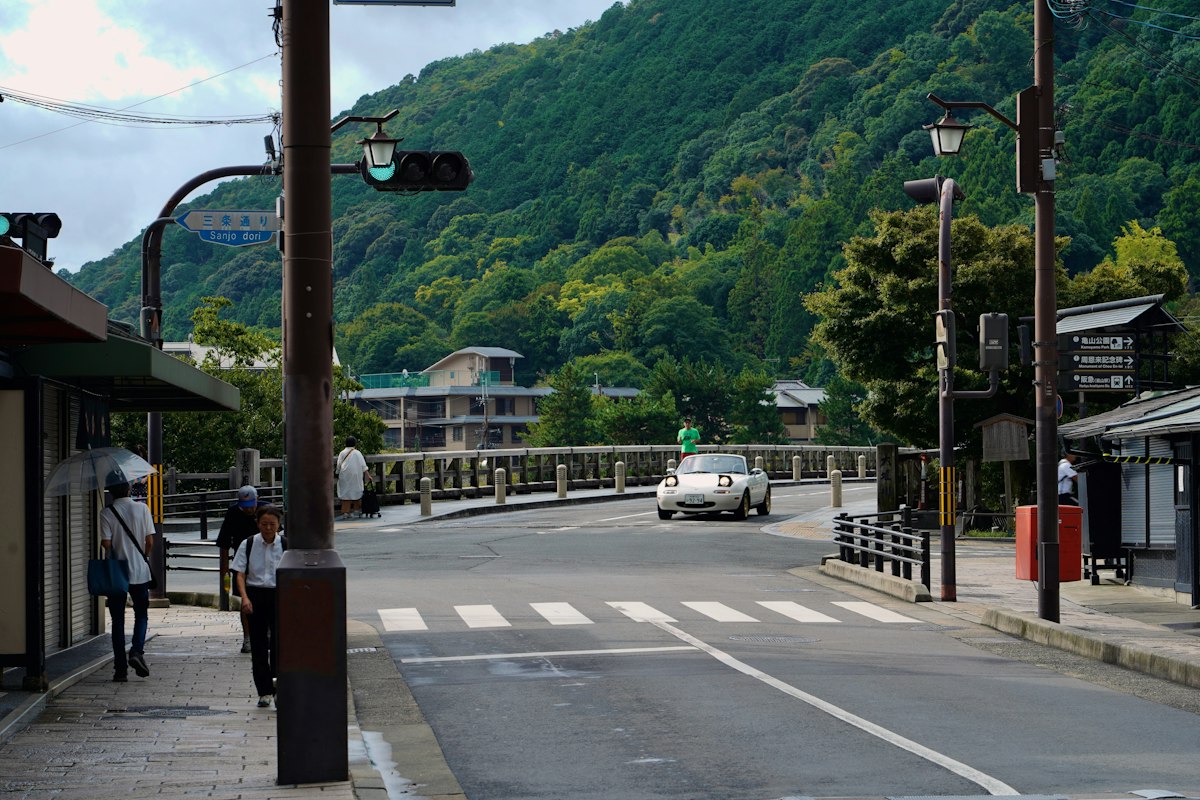
The 10,000 torii gate walk at Fushimi Inari is infinitely better solo — you can set your own pace, stop for photos at will, and hike to the top (2 hours round trip) that most tour groups skip. Go before 7am to have the lower gates to yourself before crowds arrive. Kyoto's compact layout makes it ideal for solo cycling: rent a bicycle from K's House Hostel (free for guests) and visit Arashiyama, Philosopher's Path, and Gion in one day.
Osaka is the friendliest city in Japan for solo food adventurers. The Dotonbori strip has dozens of open-front restaurants where you eat standing at a counter — the most socially comfortable solo dining format in Japan. Takoyaki stalls, ramen shops, and sushi conveyor belts all naturally accommodate single diners. The Namba area has exceptional hostel bar scenes where international travelers congregate every evening.
Hiroshima is an unexpectedly moving solo travel destination. The Peace Memorial Museum (¥200) and A-Bomb Dome create a reflective, personal experience that is enhanced rather than diminished by being alone. The day trip to Miyajima Island (30-minute ferry, ¥180) to see the floating torii gate is one of Japan's top experiences. Hiroshima is also a safe, affordable city with a walkable riverfront and excellent okonomiyaki restaurants.
Hokkaido is the destination for solo travelers who want space. Sapporo's Odori Park and Susukino entertainment district are extremely safe at night. The Hokkaido food scene — ramen, soup curry, fresh seafood — is outstanding and prices are generally lower than Tokyo. From Sapporo, solo day trips to Otaru (sake tasting), Niseko (in winter, skiing), and Noboribetsu Onsen (thermal hell valley) are all straightforward by train.
Hakone is one of Japan's best day trips from Tokyo for solo travelers. The Romancecar limited express from Shinjuku (90 minutes, ¥2,460) brings you to a mountain resort area with views of Mt. Fuji, outdoor sculpture parks, and traditional ryokan onsen. Day-use onsen facilities (¥1,200–2,000) let solo travelers experience the ryokan bathing culture without booking an overnight stay. Hakone is specifically set up for Japanese domestic solo travelers — solo onsen use is completely standard.
Japan is consistently ranked #1 or #2 globally for traveler safety. Violent crime is extremely rare — Japan's murder rate is 0.3 per 100,000 people versus 5.0 in the US. Lost wallets are returned to police boxes (koban). Late-night trains are safe. Women traveling alone are common and respected. The biggest practical risk is pickpocketing in very crowded areas (Shinjuku, Dotonbori) — standard city awareness applies. Typhoon and earthquake preparedness matters more than personal safety.
Japan invented the counter seat (カウンター席) specifically to make solo dining comfortable and normal. Ramen shops, sushi bars, izakaya, yakitori restaurants, and even kaiseki restaurants have counter seats where you eat facing the open kitchen — intimate, not awkward. Many restaurants display a "solo OK" symbol. Conveyor belt sushi (kaitenzushi) is inherently solo-friendly. Standing food (tachi-gui) — at ramen shops, soba counters, and tempura stalls — is affordable, fast, and always accommodating of solo diners.
Hostels with active common rooms: Khaosan Asakusa (Tokyo), Piece Hostel (Kyoto), J-Hoppers (Osaka). Language exchange: HelloTalk app, Tandem app, Meetup.com "Language Exchange" groups in Tokyo and Osaka. Walking tours: Tokyo Free Walking Tour (Asakusa), Kyoto Free Walking Tour. Day trips and group activities: cooking classes, sake brewery tours, and cycling tours naturally gather solo travelers. Japanese locals: izakaya counter seating next to locals often leads to spontaneous English conversations — Japanese people are genuinely curious about foreign visitors.
Japan is one of the world's safest countries for female solo travelers. Women-only train carriages exist on major urban rail lines (usually the first or last carriage) — use them during rush hours if preferred. Most hostels have female-only dorm rooms available. Avoid excessive alcohol in Roppongi (Tokyo) and Dotonbori (Osaka) late at night — not dangerous but where most tourist incidents occur. Solo female onsen use is normal and comfortable — women's areas are completely separate. Hotel lobbies are 24-hour safe spaces. Trust your instincts in crowded entertainment districts.
Google Maps offline (essential — download city maps before arrival). Google Translate with camera (photograph menus/signs for instant translation). Hyperdia or Japan Transit Planner (train routes and costs). Tabelog (restaurant ratings in Japanese — Google reviews are few). IC card apps (Suica for iPhone, PASMO for Android) — load money via Apple/Google Pay. Weather: Japan Meteorological Agency app (most accurate for typhoon tracking). Emergency: Safetips app — multilingual emergency alerts. Language: Duolingo or Pimsleur for basic Japanese phrases.
Day 1: Arrive Tokyo, Asakusa neighborhood walk, Senso-ji at night. Day 2: Tokyo — Shibuya Crossing, Harajuku, Shinjuku Golden Gai. Day 3: Day trip from Tokyo — Kamakura Giant Buddha and coastal temples (90 minutes by train). Day 4: Shinkansen to Kyoto (¥14,300), check in hostel, Fushimi Inari at dusk. Day 5: Kyoto — Arashiyama bamboo, Kinkaku-ji, Philosopher's Path. Day 6: Nara day trip (deer park free, Todai-ji ¥600) then Shinkansen to Osaka (¥560). Day 7: Osaka — Dotonbori, Kuromon Ichiba Market, Osaka Castle.
Japan is one of the world's safest countries for solo travel, including for women. Violent crime rates are extremely low, public transport is safe at all hours, and lost items are routinely returned. The main precautions are standard city awareness in crowded nightlife areas and typhoon/earthquake preparedness.
Counter seating (カウンター席) is built into Japanese restaurant culture specifically for solo diners. Ramen shops, sushi bars, yakitori restaurants, and even upscale spots have counter seats facing the kitchen. Conveyor belt sushi is perfect solo. Standing food stalls (tachi-gui ramen, soba) are even more casual. Japan has no social stigma around dining alone.
Budget: ¥5,000–8,000/day (hostel dorm + convenience store food + IC card transport). Mid-range: ¥10,000–18,000/day (business hotel + one sit-down meal + paid attractions). The solo traveler premium in Japan is mostly in accommodation — single private rooms cost ¥7,000–15,000 versus ¥2,500–4,000 for a hostel dorm.
Yes — Japan is one of the easiest countries to navigate without the local language. Train stations have English signage. Google Maps works reliably. Most tourist attractions have English information. Menu photos are common. Hotel staff at major chains speak functional English. Google Translate camera instantly translates menus and signs. Solo travelers without Japanese regularly do 2–3 week Japan trips without difficulty.
Tokyo: largest selection of hostels, endless neighborhoods to explore solo, best transport network. Kyoto: walkable and cyclable, natural solo pace for temple visits, excellent hostel scene. Osaka: friendliest food culture for solo diners, affordable, social hostel bar scene. Hiroshima: reflective solo tourism, compact and safe. Sapporo: peaceful, spacious, excellent food, good base for Hokkaido day trips.
SIM card options: IIJmio, b-mobile, Mineo (all require unlocked phone). Available at Narita/Haneda airport arrivals. Pocket Wi-Fi rental: eConnect, JAL ABC, WiFiBBB — pick up at airport or delivered to hotel. eSIM (easiest): Airalo or Ubigi Japan eSIM activated before departure, from ~$15/week. Solo travelers should prioritize data over Wi-Fi calling — Google Maps offline saves data when navigating.
Trip Planning Essentials