Japan Ninja Guide 2026
Museums, dojo workshops, shuriken throwing & the real history of Japan's shadow warriors
Museums, dojo workshops, shuriken throwing & the real history of Japan's shadow warriors
Ninja have captivated the world's imagination for centuries — and Japan offers surprisingly authentic ways to explore their history, from a real 16th-century ninja house with hidden trapdoors in Iga to hands-on shuriken throwing in Koka, to ninjutsu workshops in Kyoto. This guide covers every major experience, what each costs, who it's best for, and how to reach the less-visited but most rewarding sites.
| Venue | City | Type | Admission |
|---|---|---|---|
| Iga Ninja Museum | Iga City, Mie | Museum & Live Ninja Show | Adults ¥800; Children (7–12) ¥400; Under 6 free; Shuriken throwing +¥300 |
| Koka Ninja Village (甲賀流忍術屋敷) | Koka City, Shiga | Preserved Ninja House & Experience | Adults ¥900; Children ¥600; Shuriken throwing included |
| Ninja Trick House Tokyo (忍者からくり屋敷) | Tokyo (Asakusa) | Interactive Ninja Experience | Adults ¥1,200; Children ¥800 |
| Ninja Dojo and Store (Kyoto) | Kyoto (near Nijo Castle) | Ninjutsu Workshop & Shop | Workshop: ¥4,000–¥8,000 (60–90 min); Store entry free |
| Toei Uzumasa Eigamura (Ninja & Samurai Shows) | Kyoto (Uzumasa) | Film Theme Park with Live Shows | Adults ¥2,400; Children ¥1,200 |
| Ninjutsu Hall (Bujinkan Hombu Dojo Area) | Noda City, Chiba (near Tokyo) | Authentic Ninjutsu Training | Visitor class: ¥3,000–¥5,000 |
Stay in Tokyo for Ninja Trick House Asakusa & Bujinkan Noda day trip
Type: Museum & Live Ninja Show
Hours: 9:00 AM – 5:00 PM; closed Mondays (open on Mon if national holiday, then Tue closed)
Cost: Adults ¥800; Children (7–12) ¥400; Under 6 free; Shuriken throwing +¥300
Japan's premier ninja museum, built around a real 16th-century ninja house with hidden trap doors, revolving walls, and concealed escape passages. Live ninja performances run 4× daily in the outdoor theatre (¥400 extra), featuring shuriken, smoke bombs, rope climbing, and weapon displays. The attached museum explains Iga-ryu ninjutsu history, training, tools, and philosophy in detail.
Tip: Arrive 10 minutes before the live ninja show (check the board for English-language sessions — 11:00 AM and 2:00 PM on weekends). The shuriken range is open throughout the day; buy your 5-throw ticket at the entrance booth.
Type: Preserved Ninja House & Experience
Hours: 9:00 AM – 5:00 PM daily (closed Dec–Jan; verify seasonally)
Cost: Adults ¥900; Children ¥600; Shuriken throwing included
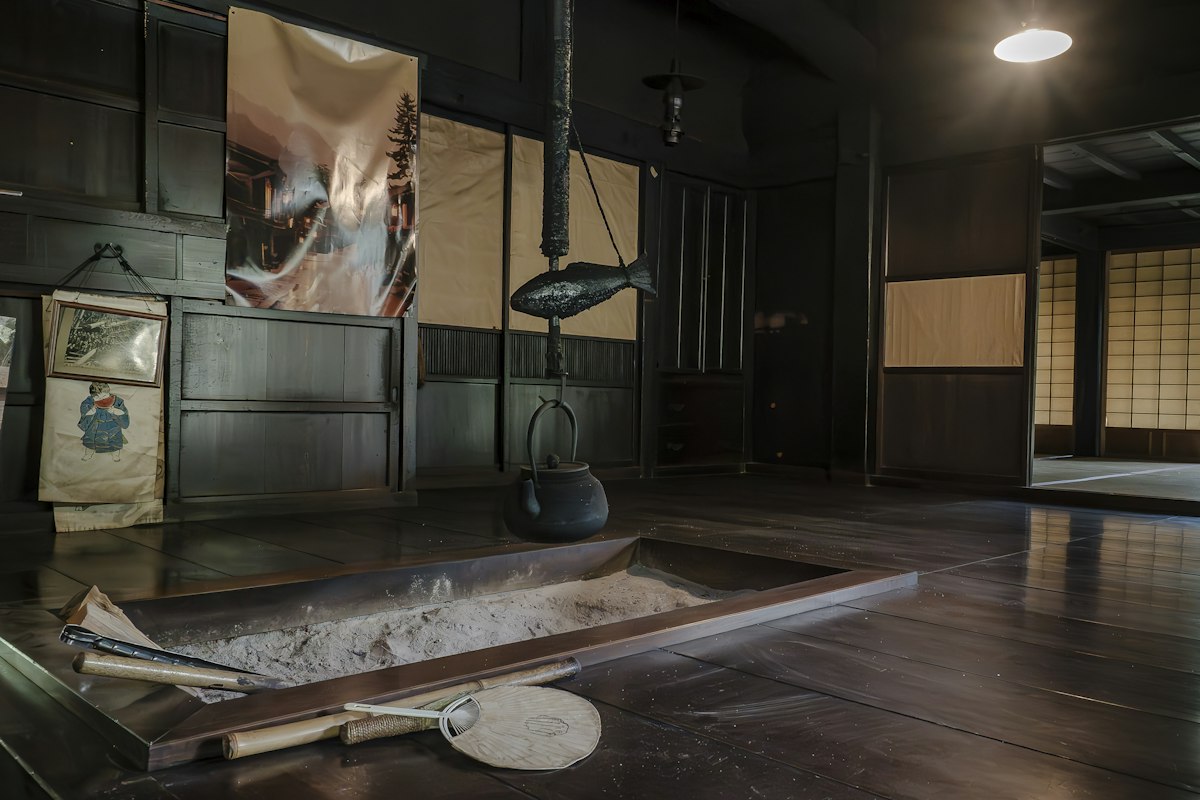
A genuinely preserved 18th-century ninja clan residence (the Mochizuki family estate) with original hidden alcoves, secret stairways, and concealed weapon storage. The site includes a shuriken range, climbing wall, balance beams, and obstacle course. A costumed guide leads tours through the house — demonstrations of the hidden mechanisms are interactive.
Tip: The Koka Ninja Village is less crowded than Iga and feels more intimate. Combine with a visit to Minakuchi Castle ruins nearby. Best access: Koka Station (JR Kusatsu Line) + 20-minute taxi (~¥1,500).
Type: Interactive Ninja Experience
Hours: 10:00 AM – 6:00 PM daily
Cost: Adults ¥1,200; Children ¥800
A central Tokyo tourist experience in Asakusa featuring trick rooms, hidden doors, and ninja-themed puzzles. Popular with families, the attraction includes a costume photo booth (ninja outfits available to rent), a mini shuriken game, and video exhibits on ninja history. English signage throughout. Easily combined with Senso-ji Temple and Nakamise shopping.
Tip: Allow 45–60 minutes. Best visited early morning (opens at 10 AM) before tour groups arrive around noon. The costume rental (¥500 extra) makes for excellent photos in front of the trick wall backdrops.
Type: Ninjutsu Workshop & Shop
Hours: 10:00 AM – 6:00 PM daily
Cost: Workshop: ¥4,000–¥8,000 (60–90 min); Store entry free
A well-regarded Kyoto dojo offering English-language ninjutsu workshops in basic movement, stealth techniques, shuriken and bo staff training, and ninja costume rental. Run by instructors with authentic ninjutsu lineage. The attached store sells high-quality replica weapons, ninja tools, and training equipment that are legal to carry in Japan.
Tip: Book the workshop online at least 2 days ahead — English sessions are limited to small groups (4–8 people). Wear comfortable clothing you can move in. Located 8 minutes on foot from Nijo-jo Station (Tozai Line).
Type: Film Theme Park with Live Shows
Hours: 9:00 AM – 5:00 PM (hours vary by season)
Cost: Adults ¥2,400; Children ¥1,200
A working Kyoto movie studio open to the public, with preserved Edo-period town sets used in samurai and ninja films. Daily ninja chase shows (English subtitles on weekends) feature acrobatic combat, rope climbing, and shuriken scenes. Visitors can rent ninja or samurai costumes for the day and pose throughout the historical streetscapes.
Tip: The ninja shows run at 11:00 AM and 2:30 PM — check the daily schedule board at the entrance. The Edo townscape sets (no CGI, real physical builds) make excellent photography backgrounds. 15 minutes from Kyoto Station by bus (¥230).
Type: Authentic Ninjutsu Training
Hours: By appointment for visitors; regular classes Tue/Thu/Sat evenings
Cost: Visitor class: ¥3,000–¥5,000
Noda City in Chiba is home to the Bujinkan Hombu Dojo, the international headquarters of Masaaki Hatsumi's ninjutsu lineage — one of the few schools that traces an unbroken line to historical ninja traditions. Serious students and curious visitors can attend an open class with advance notice. The experience is genuine martial arts training, not entertainment.
Tip: Contact the Bujinkan Hombu Dojo via their official website well in advance. Basic Japanese or a Japanese-speaking companion is helpful. Noda is 40 minutes by Tobu Noda Line from Kasukabe (which connects to Tokyo's Asakusa Line). Not suitable for children under 12.
Ninja (also called shinobi) were covert agents in feudal Japan, primarily active from the 15th to 17th centuries. They served warlords as intelligence gatherers, saboteurs, and assassins — roles too dishonourable for samurai, who were bound by bushido. The two dominant ninja regions were Iga (Mie Prefecture) and Koka (Shiga Prefecture). Most ninja were farmers and merchants by day, making their true identities difficult to detect.
The signature shuriken (throwing star) is only one of many ninja tools. Others include the kunai (multi-purpose iron tool used for climbing and combat), the kaginawa (grappling hook), ashiaro (foot-shaped wooden sandals to disguise footprints), and the shikomizue (sword hidden in a walking staff). Many tools were dual-purpose — designed to look like everyday objects. Authentic examples are displayed at Iga Ninja Museum.
Ninjutsu is the collective term for ninja disciplines — encompassing espionage, taijutsu (unarmed combat), weapon techniques, survival skills, meteorology, medicine, and psychology. It is not a single martial art but a system of strategic knowledge. Several modern schools claim lineage to historical ninjutsu: Bujinkan (Masaaki Hatsumi), Jinenkan, and Genbukan are the most prominent, all based in Japan.
Iga-ryu and Koka-ryu were the dominant ninja traditions, often portrayed as rivals but historically sometimes cooperating. Iga ninja were particularly active in the service of Oda Nobunaga's enemies and later served the Tokugawa shogunate as guards. Koka ninja were renowned for their knowledge of herbs, medicines, and poisons. Today, Iga has the more theatrical museum experience; Koka preserves the original clan residence.
Ninja costume rental is available at Toei Uzumasa Eigamura (Kyoto), Ninja Trick House Tokyo, several Asakusa shops, and Koka Ninja Village. Typical rental cost is ¥500–¥2,000 for 1–3 hours. Colours vary from the classic black (night operations) to dark blue (common for real historical use — black is harder to produce with natural dyes) and grey. Full sets include hood, top, trousers, and tabi socks.
Ninja figure prominently in Japanese manga, anime, and video games — from Naruto and Ninja Gaiden to the Koei historical strategy series. The romanticised ninja image (black-clad, superhuman, master of invisibility) is largely a 20th-century creation. Historical ninja relied on social camouflage more than combat — disguising themselves as monks, merchants, or entertainers. Ninja-themed cafes exist in Tokyo (Akihabara) and Osaka, offering themed food and live entertainment.
Stay in Kyoto for Ninja Dojo, Uzumasa Eigamura & Iga/Koka day trips
The top ninja destinations are Iga City (Mie Prefecture) and Koka (Shiga Prefecture) — the two historic ninja heartlands. Iga Ninja Museum (¥800 entry + ¥300 for shuriken throwing) is the most comprehensive, with live ninja performances and a hidden mechanism house. In Tokyo, Ninja Trick House Asakusa offers tourist-friendly interactive shows and costume photos. In Kyoto, several dojo operators run English-friendly workshops near Nijo Castle.
Yes — shuriken throwing is available at Iga Ninja Museum (¥300 for 5 throws), Koka Ninja Village (included in admission), and several Tokyo and Kyoto dojo experiences. Most venues provide lightweight training shuriken, safety instruction, and a straw-target range. No experience is needed; children aged 6 and up can participate at most venues. Sessions typically last 15–30 minutes.
Iga (modern Mie Prefecture) and Koka (modern Shiga Prefecture) were the two dominant ninja clans in feudal Japan. Iga ninja (Iga-ryu) were known for intelligence gathering and were often employed by samurai lords. Koka ninja (Koka-ryu) had a reputation for pharmacology, poisons, and disguise. Today, Iga has the larger museum and more theatrical shows; Koka offers the more hands-on village experience with obstacle courses and climbing walls.
Yes. In Kyoto, Ninjutsu dojo operators such as Ninja Dojo and Store (near Nijo Castle) offer adult workshops in basic ninjutsu movement, stealth, and weapon handling. Sessions run 60–90 minutes and cost ¥4,000–¥8,000. In Tokyo, some martial arts studios run ninjutsu classes affiliated with the Bujinkan or Genbukan schools — these are ongoing training programs rather than tourist experiences and welcome adult beginners.
Koka Ninja Village (甲賀流忍術屋敷) in Koka City, Shiga, is very family-friendly. Admission is ¥900 for adults and ¥600 for children. The village includes a preserved ninja house with hidden doors and trapdoors, shuriken throwing, obstacle courses, and rope climbing. Children aged 5 and up particularly enjoy it. The site is about 20 minutes by taxi from Koka Station on the JR Kusatsu Line.
From Kyoto: Take the JR Kintetsu line to Tsuge, then the Iga Railway to Ueno-shi Station (total ~90 minutes). The museum is a 10-minute walk from the station. From Tokyo: Take the Kintetsu Tokkyu (limited express) from Osaka Uehonmachi or use the Shinkansen to Nagoya, then the Kintetsu Osaka Line to Tsuge and Iga Railway. Allow a full day as a day trip from Kyoto. Museum hours: 9:00 AM – 5:00 PM (closed Mondays).
Let our AI itinerary planner build a custom trip combining Iga Ninja Museum, Kyoto temples, and hotel picks near your experiences.
Plan My Ninja Trip →