Travel Guides
Japan Fireworks Guide
Hanabi Festivals · Best Viewing Spots · Yukata · Crowd Tips
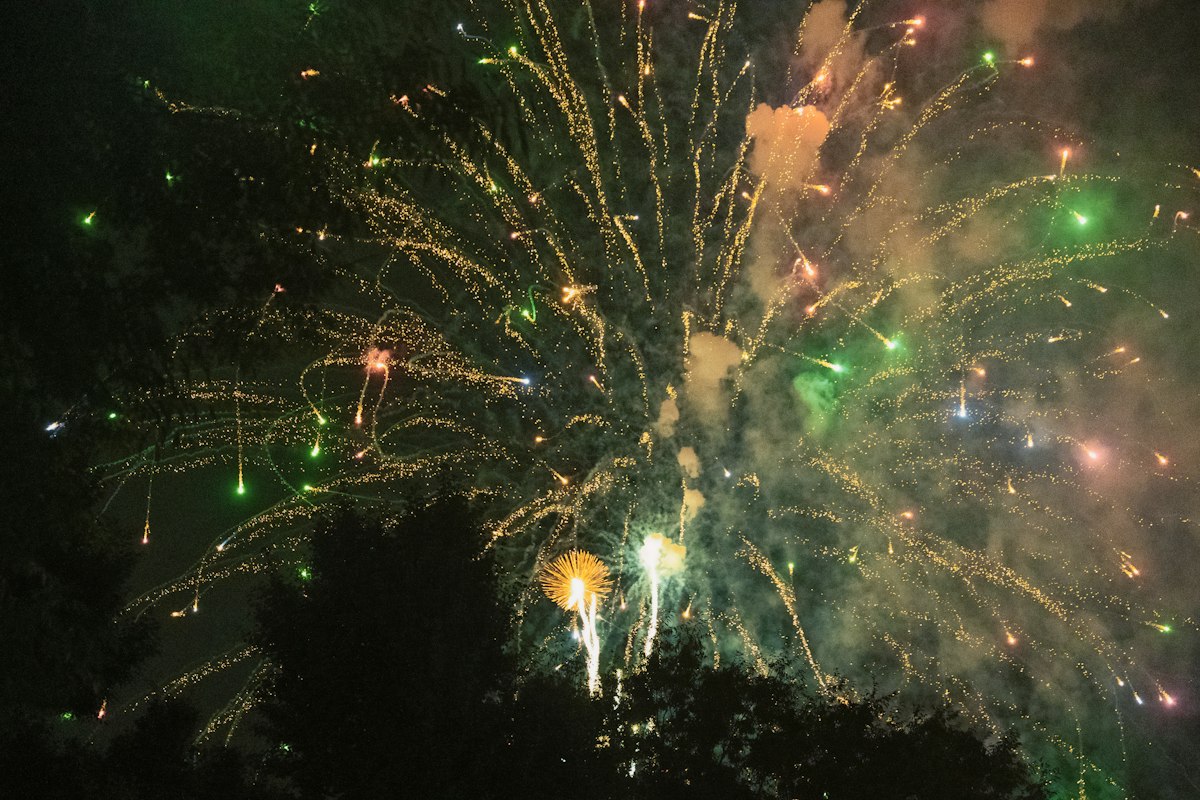
Japanese fireworks festivals (花火大会, hanabi taikai) are among the most spectacular events in Asia. Unlike Western fireworks shows, Japan's hanabi are competitive art forms — pyrotechnic teams spend months designing intricate bursts timed to music. The summer season (July–August) transforms riverbanks, parks, and lakefronts into open-air theaters for hundreds of thousands of spectators in yukata. This guide covers Japan's best fireworks festivals, when and where to go, how to navigate the crowds, and how to make the most of this quintessential Japanese summer experience.
Japan's Best Fireworks Festivals
Sumida River Fireworks (隅田川花火大会)
20,000 shells · 900,000+ spectators📍 Asakusa / Ryogoku, Tokyo · 🗓 Last Saturday of July (~7pm–8:30pm)
Japan's oldest fireworks festival (est. 1733) launched over the Sumida River between Asakusa and Ryogoku bridges. Two simultaneous launch sites create a panoramic display. Popular viewing spots: Kototoi Bridge, Komagata area, Ueno Park (partial view). Skyline Hotel "Sumida Fireworks" views are booked a year in advance.
💡 Arrive by 5pm for riverbank spots. Asakusa station exits are controlled by police — follow crowd flow. Book riverside restaurants for elevated views months ahead.
Naniwa Yodo River Fireworks (なにわ淀川花火大会)
10,000 shells · 500,000+ spectators📍 Umeda / Juso, Osaka · 🗓 Late July (Saturday, ~7:30pm–8:30pm)
Osaka's biggest fireworks event along the Yodo River between Umeda and Juso. Fireworks are launched from multiple pontoons on the river. Best free viewing areas are on the river embankments in Fukushima and Juso. Paid grandstand tickets (¥3,000–¥5,000) offer reserved seating with clear sightlines.
💡 Juso station is the main crowd bottleneck — consider walking from Fukushima or cycling. Umbrella access prohibited on embankments.
PL Fireworks Art Festival (PL花火芸術)
120,000 shells — the largest single-night display in Japan📍 Tondabayashi, Osaka Prefecture · 🗓 August 1 (fixed date, ~8pm–9pm)
Organized by the Perfect Liberty religious organization, PL Fireworks launches 120,000 shells in one 60-minute display over PL Headquarters grounds in Tondabayashi. The sheer volume and variety of bursts — including rare special-effects shells — make it visually unmatched. Views from Kintetsu's viaduct or surrounding hills are iconic.
💡 Takes 2–2.5 hours by Kintetsu from Osaka Namba. Trains are packed — arrive by 5:30pm at the venue. Best hillside views are along Route 309 south of PL.
Tsuchiura All-Japan Fireworks Competition (土浦全国花火競技大会)
25,000 shells · national competition format📍 Tsuchiura, Ibaraki · 🗓 Last Saturday of October (~6pm–9pm)
Japan's most prestigious competitive fireworks event, where teams from across Japan compete in themed categories. The competition format means you see not just beautiful displays but technically innovative shells designed specifically to win. Autumn timing means cooler temperatures and no monsoon humidity — a more comfortable viewing experience.
💡 Access via Joban Line from Ueno (1 hour). Reserved grandstand seats (¥3,000–¥6,000) sell out immediately when released. Free viewing on Ichinomiya River embankments.
Jingu Gaien Fireworks (神宮外苑花火大会)
12,000 shells · J-Pop concert tie-in📍 Shinanomachi, Tokyo · 🗓 Mid-August (Friday or Saturday, ~6:30pm–9pm)
Tokyo's biggest summer music and fireworks event, held in the Jingu Gaien outdoor stadium complex near Aoyama. Combined with J-Pop concerts (past performers include AKB48, Exile, Gen Hoshino), making it a uniquely cultural event. Tickets include both the concert and fireworks. The stadium setting means excellent sightlines for all seats.
💡 Tickets (¥3,500–¥7,500) go on sale in June — get them early. Nearby restaurants along Aoyama Dori fill up fast; book a table with a reservation.
Practical Tips for Hanabi Festivals
- ✓
Wear yukata (浴衣) if possible — it's the traditional summer festival attire and wearing one makes the entire experience feel more immersive. Rental shops near major train stations offer 1-day yukata sets with obi belt and geta sandals for ¥4,000–¥6,000.
- ✓
Bring a blue plastic sheet (ブルーシート) to claim your viewing spot on the grass or riverbank. These are sold at 100-yen stores and convenience stores for ¥200–¥500. Leave the sheet unattended with shoes on top while you get food — this is the accepted way to reserve space.
- ✓
Arrive 2–3 hours early for free viewing spots at major festivals. Police cordon off premium zones 1 hour before the show, so late arrivals get obstructed views. For PL Fireworks, arrive by 5pm.
- ✓
Bring cash — festival food stalls (屋台) are almost exclusively cash-only. ATMs near festival venues run out of cash. Budget ¥2,000–¥4,000 per person for drinks and festival snacks.
- ✓
Avoid umbrellas in crowded viewing areas — they block the view of those behind you and are banned in some designated zones. Instead, bring a folding fan (扇子) and handheld battery fan for Japan's humid summer evenings.
- ✓
Leave immediately when the show ends or wait 30–45 minutes. Train stations immediately after major shows (like Sumida) are overwhelmed — consider walking to a quieter station 10–15 minutes away, then catching the train once the crowd disperses.
Frequently Asked Questions
When is fireworks season in Japan?+
Japan's fireworks season (花火シーズン) runs from late July through late August, with the peak being the last weekend of July and the first weekend of August. Major festivals like the Sumida River Fireworks (Tokyo, late July) and Naniwa Yodo River Fireworks (Osaka, late July) draw hundreds of thousands of spectators. A secondary season occurs around New Year's (December 31–January 1) with countdown fireworks at major parks and shrines. Okinawa starts its fireworks season slightly earlier in July.
What is the biggest fireworks festival in Japan?+
The three largest fireworks festivals in Japan by attendance are: 1) PL Fireworks Art Festival (Osaka, Tondabayashi) — 120,000 simultaneous fireworks in one night, the most single-night launches in Japan. 2) Sumida River Fireworks Festival (Tokyo) — 20,000 shells over the Sumida River in East Tokyo, 900,000+ spectators. 3) Tsuchiura All-Japan Fireworks Competition (Ibaraki, late October) — a competitive festival where teams from across Japan compete for best display. For pure spectacle, PL Fireworks is unmatched.
What should I wear to a Japanese fireworks festival?+
Yukata (浴衣) — the casual summer kimono — is the traditional attire for hanabi festivals. Both men and women wear yukata, and seeing the crowd in colorful yukatas is part of the experience. You can rent or buy a yukata in Japan for ¥3,000–¥8,000 (rental with obi and geta sandals usually around ¥5,000). If not wearing yukata, light summer clothing is appropriate — it will be hot and humid in July–August. Wear comfortable shoes as you may walk 1–2km to your viewing spot. Bring a portable fan, insect repellent, and a blue sheet for sitting.
How early should I arrive for Japan fireworks?+
For major festivals like Sumida River (starts 7pm, fireworks 7:05–8:30pm), arrive 2–3 hours early to secure a good viewing spot. Premium seats with reserved seating (桟敷席) sell out months in advance — check the festival's official website. Free viewing zones near bridges and riverside parks fill up 1–2 hours before the show. For PL Fireworks (starts 8pm), nearby Kintetsu trains are extremely crowded — arrive at Tondabayashi by 6pm or earlier. Many viewers bring blue picnic sheets to claim their spot from the afternoon.
Are there fireworks in Tokyo in summer 2025?+
Yes — Tokyo has multiple fireworks festivals in summer 2025. The Sumida River Fireworks Festival (隅田川花火大会) typically takes place the last Saturday of July — this is the oldest and most famous Tokyo hanabi event, held since 1733. Edogawa Fireworks Festival (江戸川区花火大会) is held on the same night as Sumida with 14,000 shells. Itabashi-ku Fireworks and Adachi-ku Fireworks are other large-scale Tokyo shows in late July. Check the Tokyo Metropolitan Government's events page each spring for 2025 confirmed dates.
What food is sold at Japanese fireworks festivals?+
Fireworks festivals (夏祭り, summer festivals) are famous for their street food stalls (屋台, yatai). Popular foods at hanabi events include: takoyaki (octopus balls), yakitori (grilled chicken skewers), karaage (fried chicken), yakisoba (fried noodles), kakigori (shaved ice with syrup — ¥300–¥500), chocolate-dipped bananas, and ramune soda (the iconic marble-stopper bottle). Prices are higher than normal restaurants (expect 1.5–2x usual prices). Bring cash — most yatai are cash-only. Budget ¥1,500–¥3,000 per person for festival snacks.
Planning a Japan Summer Trip with Fireworks?
JapanFlow builds personalized itineraries timed to Japan's summer festivals — including hanabi, Obon, and matsuri season.
Plan My Japan Trip →Related Japan Travel Guides
Found this guide useful? Share it: