Travel Guides
Japan Manga Guide
Akihabara · Jump Shop · Manga Cafes · Comic Market · Otaku Culture
Japan is the birthplace of manga — a storytelling form that has shaped global pop culture over eight decades and today generates over ¥700 billion ($5 billion) per year. For fans, traveling to Japan means more than visiting the places manga depicts: it means browsing multi-floor bookstores where the latest volumes appear weeks before overseas release, spending the night in a manga cafe surrounded by thousands of titles, queuing at Jump Shop for a limited edition your favorite character appeared on, or attending Comiket to discover the next generation of creators. This guide maps out how to fully explore Japan's manga culture — from Akihabara to Ikebukuro to Nakano.
Manga Culture Quick Reference
| Experience | Best Location | Cost | Notes |
|---|---|---|---|
| Manga shopping | Akihabara / Nakano Broadway | ¥500–¥50,000+ | New & vintage |
| Jump Shop exclusive merch | Shibuya PARCO 6F | ¥500–¥10,000 | Limited releases sell out fast |
| Manga cafe (overnight) | Shinjuku / Akihabara | ¥1,500–¥2,500 | Passport required |
| Comic Market (Comiket) | Tokyo Big Sight (Ariake) | Free entry | Aug & Dec only |
| Figure & collectibles | Akihabara / Nakano Broadway | ¥1,000–¥100,000+ | Second-hand = cheaper |
| Maid cafe experience | Akihabara | ¥2,000–¥5,000+ | Per-photo/game fees extra |
Must-Visit Manga & Otaku Spots
Akihabara (秋葉原)
District📍 Chiyoda, Tokyo
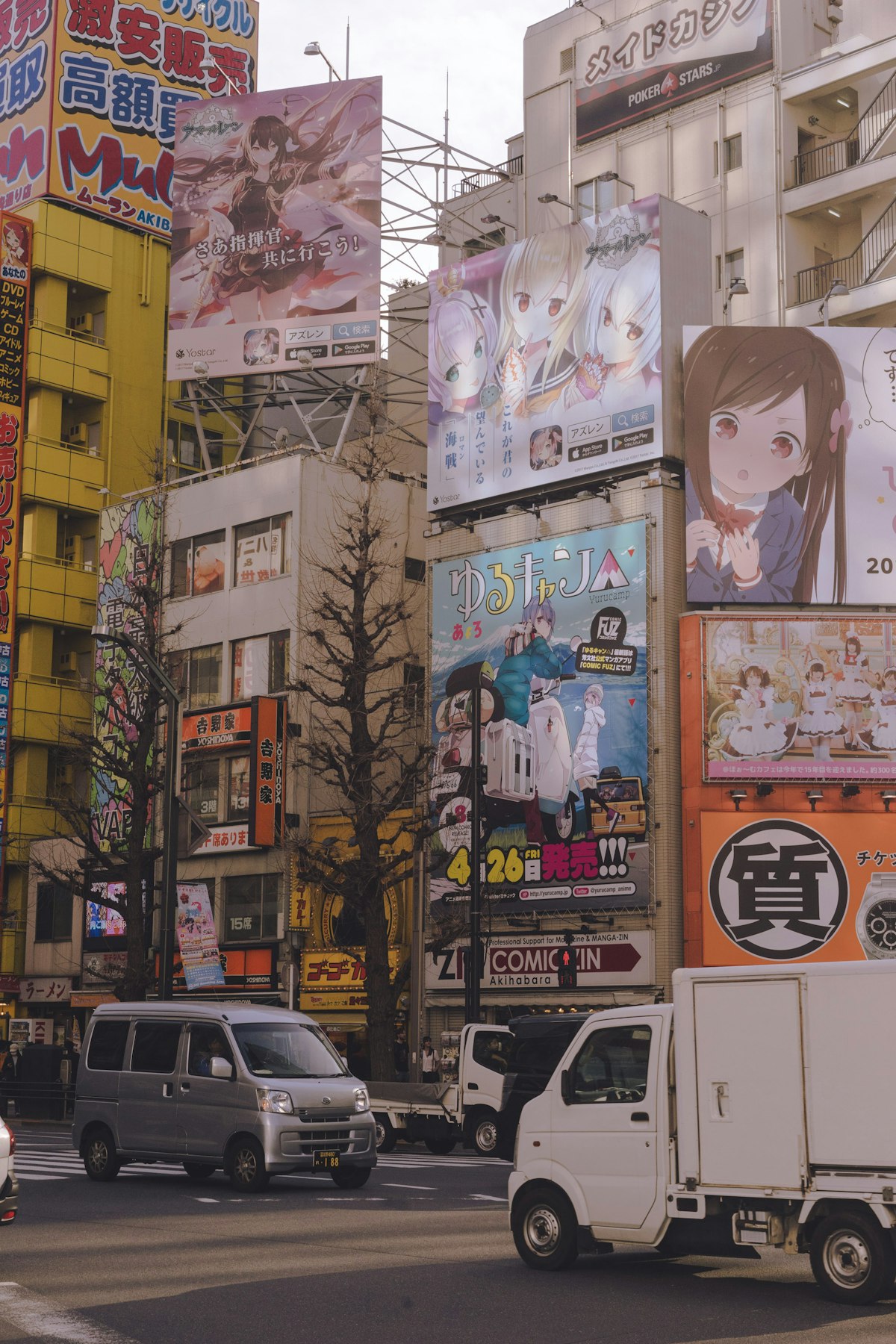
The undisputed center of otaku culture — a dense neighborhood of multi-floor manga shops, anime merchandise stores, figure specialists, doujinshi markets, maid cafes, and retro game shops. The main drag (Chuo-dori) closes to traffic on Sunday afternoons, becoming a pedestrian-only shopping parade. Must-visit stores: Yodobashi Camera (8 floors), Radio Kaikan (specialized hobby shops), Gamers, Animate, Mandarake Akihabara, K-Books.
Open daily; most shops 11am–9pm. JR Yamanote/Keihin-Tohoku to Akihabara; Tokyo Metro Hibiya Line. Sunday pedestrian zone: 1pm–6pm.
💡 Explore side streets (Elektronic Town exit side) for specialist shops. Don't overlook upper floors — the most interesting stock is rarely at street level.
Jump Shop (ジャンプショップ)
Official Store📍 Shibuya PARCO 6F / Odaiba / Osaka
The official merchandise store for Shueisha's Weekly Shonen Jump franchise — home to One Piece, Naruto, Dragon Ball, Demon Slayer, Jujutsu Kaisen, My Hero Academia, and 20+ ongoing series. Exclusive items include collaboration merchandise, limited editions, and the Jump Shop original range unavailable anywhere else. The Shibuya PARCO flagship is the most comprehensive.
Shibuya PARCO 6F: 11am–9pm daily. DiverCity Tokyo (Odaiba): 10am–9pm. Osaka: Umeda Loft 1F. Check the official website for limited-release schedules.
💡 Limited-edition drops (特典, tokuten) sell out the same day. Check Jump Plus Twitter for release dates and arrive at opening.
Nakano Broadway (中野ブロードウェイ)
Collector's Mall📍 Nakano, Tokyo
A covered mall where floors 2–4 are almost entirely Mandarake branches, each specializing in a different collecting niche: rare vintage manga, 80s–90s anime figures, idol goods, trading cards, tokusatsu (special effects hero) memorabilia, doujinshi, and retro games. More collector-oriented and less crowded than Akihabara — the place to find hard-to-locate vintage items.
Mandarake shops open daily noon–8pm. JR Chuo Line or Tokyo Metro Tozai Line to Nakano Station. 5 min walk north through the Nakano Sunmall covered shopping arcade.
💡 Each Mandarake branch has a specialty — look for the signs indicating the focus (figures, doujinshi, rare books etc.) to find what you're after efficiently.
Ikebukuro Otome Road (乙女ロード)
District📍 Toshima, Tokyo
While Akihabara skews male-oriented, Ikebukuro's "Otome Road" (Maiden Road) is the Tokyo hub for female-oriented manga, BL (Boys' Love) comics, and 2.5D musical merchandise. Key stores: Animate Ikebukuro (flagship — 9 floors, the largest Animate in Japan), K-Books, Mandarake Ikebukuro. Sunshine City mall also has a large Pokemon Center, Jump Victory Carnival goods shops, and figure stores.
Animate Ikebukuro: 11am–9pm daily. JR Ikebukuro Station (East exit); Sunshine City 10am–8pm (restaurants until 10pm).
💡 Sunshine City's Namco Namjatown amusement park (¥500 entry + per-attraction fees) has seasonal manga collaboration events worth checking.
Manga Cafes (漫画喫茶)
Experience📍 Tokyo, Osaka, Nationwide
Private booth rental spaces with thousands of manga volumes available for reading, plus internet access, free soft drinks, and often shower facilities. A distinctly Japanese institution — equal parts reading room, internet cafe, and budget accommodation. The "reading manga all night in a private booth with infinite free coffee" experience is on many visitors' lists.
Major chains: Gran Cyber Cafe Bagus (Shinjuku, Ueno, Akihabara), ComicBuster, Manga Hiroba. Rates: from ¥400/hr, overnight packages ¥1,500–¥2,500. Passport required for check-in.
💡 Night packages (ナイトパック, from 11pm) are significantly cheaper per hour than daytime rates. Look for branches near train stations in Kabukicho or Shibuya.
Tokyo Big Sight / Comic Market
Event Venue📍 Ariake, Koto, Tokyo
Tokyo International Exhibition Center (Tokyo Big Sight) is home to Comic Market (Comiket) — the world's largest self-published comics fair with 200,000–500,000 attendees over 3 days (August and December). Year-round, Big Sight also hosts AnimeJapan (March) and Tokyo Game Show (September). During Comiket, all of Ariake transforms: cosplayers fill the outdoor plaza, merchandise queues stretch for hundreds of metres, and the energy is unlike any other event in Japan.
Access: Yurikamome Line to Kokusai-Tenjijo-Seimon Station or Rinkai Line to Tokyo Teleport Station. Comiket entry: free (general). Lines form from 6am; bring cash, water, and comfortable shoes.
💡 Check the Comiket catalog (printed and digital) in advance to plan your booth route — the floor space is enormous and navigating without a plan wastes hours.
Manga Pilgrimage (聖地巡礼) in Japan
Seichi junrei (聖地巡礼, “holy land pilgrimage”) refers to fans visiting the real-world locations depicted in manga or anime. Japan's regional tourism boards have embraced this phenomenon, creating official maps and stamp rallies at key sites. Popular pilgrimage destinations:
Shirakawa-go (Higurashi / Zom 100)
UNESCO World Heritage gassho-zukuri farmhouses in Gifu — recognizable from Higurashi When They Cry and other series set in isolated mountain villages.
🚃 Bus from Nagoya (2.5 hrs) or Kanazawa (1.25 hrs). Day trip possible from both.
Washinomiya Shrine, Saitama (Lucky Star)
The real-world Chichibu-based shrine that became a pilgrimage destination after appearing in Lucky Star. Hosts dedicated otaku New Year events attracting 30,000+ fans annually.
🚃 Tobu Isesaki Line to Washinomiya Station (~50 min from Asakusa).
Kyoto Fushimi Inari (various manga)
The thousand-torii gate path has appeared in countless manga, anime, and games. The atmospheric forest paths above the main gate crowds are recognizable from dozens of titles.
🚃 JR Nara Line to Inari Station (5 min from Kyoto). Free entry, open 24 hours.
Enoshima & Kamakura (various)
The coastal town-and-shrine combination appears in Slam Dunk, Tsuritama, To Love Ru, and many others. The Slam Dunk railroad crossing (Kamakura-Kokomae Station, Shonan Shinjuku Line) draws hundreds of fans daily.
🚃 60 min from Shinjuku via Shonan Shinjuku Line to Kamakura.
Practical Tips for Manga Fans in Japan
- ✓
Bring cash. Most specialist manga shops, doujinshi booths at Comiket, and second-hand stores (Mandarake, Book Off) are cash-only or strongly prefer it.
- ✓
Buy a large foldable bag (エコバッグ, eco bag — available at every 100-yen shop for ¥110) for carrying manga purchases. A single volume is lightweight; 30 volumes are not.
- ✓
Check the Book Off app or website before paying retail — Book Off (nationwide second-hand chain) regularly has popular titles at 50–90% off cover price. Akihabara Book Off and Nakano Broadway Mandarake are the best for vintage finds.
- ✓
Shipping home is practical and affordable via Japan Post's SAL (economy air) service. The post office in Akihabara (inside Yodobashi Akihabara, 8F) sells shipping boxes sized for manga volumes.
- ✓
Doujinshi purchased at Comiket or in Mandarake are fan-made works — they exist in a legal grey area in Japan and importing them may face customs scrutiny in some countries.
- ✓
For limited Jump Shop releases (特典, tokuten), follow the official @jumpshop_jp Twitter account for exact release dates and reserve time to queue at opening.
Frequently Asked Questions
What is Akihabara and why is it famous for manga?▾
Akihabara (Akiba) in Tokyo is the global center of otaku culture — a dense neighborhood of manga shops, anime stores, figure shops, doujinshi markets, maid cafes, and retro gaming arcades. Key stops: Yodobashi Akihabara, Radio Kaikan, Mandarake, Animate, Gamers.
What is a manga cafe and how much does it cost?▾
Manga kissa are private booth rentals with thousands of manga to read, internet access, free drinks, and often showers. About ¥400–¥600/hour or ¥1,500–¥2,500 for an overnight package. Passport required. Major chains: Gran Cyber Cafe Bagus, ComicBuster, Manga Hiroba.
Where is Jump Shop in Tokyo?▾
The main Jump Shop is on the 6th floor of Shibuya PARCO (open 11am–9pm). A second location is at DiverCity Tokyo in Odaiba. Sells exclusive One Piece, Demon Slayer, Jujutsu Kaisen, Dragon Ball and more merchandise.
How do I attend Comic Market (Comiket)?▾
Comiket is free to attend as a general visitor. It runs in August and December at Tokyo Big Sight in Ariake. No advance ticket needed — but bring cash only, arrive early (queues form from 6am), wear comfortable shoes, and carry water for summer events.
How is Nakano Broadway different from Akihabara?▾
Nakano Broadway is more collector-focused and less touristy than Akihabara. Floors 2–4 are almost entirely Mandarake stores specializing in vintage manga, rare figures, idol goods, retro games, and doujinshi. Better for finding older or harder-to-locate items.
Where can I buy manga in English in Japan?▾
Kinokuniya Shinjuku (largest English-book section in Japan, B2F), Book Off (cheaper second-hand). For free digital reading: Manga Plus by Shueisha offers official simultaneous release of Shonen Jump titles in English. Downloadable as an app.
Plan a manga & anime itinerary in Japan
AI builds a personalized trip including Akihabara, Jump Shop, Comiket dates, manga cafes, and pilgrimage sites
Generate My Itinerary →Found this guide useful? Share it: