Japan in Autumn 2026
Japan's autumn (September–November) rivals cherry blossom season for sheer beauty. Six weeks of fiery red and gold foliage, harvest festivals, cooler air, and Japan's best seasonal food.
Month-by-Month Breakdown
September
Weather: Warm and humid. Typhoon season peaks — expect occasional storms. Temperatures: 22–30°C (72–86°F) in Tokyo, 25–33°C in Osaka.
Highlights: Crowds thin as summer tourists leave. Rice harvest begins in rural areas. Early chrysanthemum festivals. Moon-viewing (Otsukimi) — a quiet traditional evening event.
Pack: Light summer clothes, rain jacket, waterproof shoes (typhoon preparedness)
Crowds: Low-medium — off-peak relative to summer and October/November
October
Weather: Ideal travel weather — cool, clear, low humidity. Temperatures: 15–23°C (59–73°F) in Tokyo. Japan's most comfortable outdoor month.
Highlights: Peak travel season begins. Early koyo (foliage) at Hokkaido and high-altitude areas (Nikko, Kamikochi). Sports festivals, cultural fairs, harvest matsuri everywhere.
Pack: Layers — T-shirt + light jacket for daytime, sweater for evenings; comfortable walking shoes
Crowds: Medium-high — expect popular sites to be busier than summer
November
Weather: Cool and crisp. Peak koyo season nationwide. Temperatures: 10–18°C (50–64°F) in Tokyo, 8–16°C in Kyoto. Northern Japan turns cold.
Highlights: Japan's most photogenic month. Peak red and gold foliage in Kyoto (mid–late November), Tokyo, Osaka. Shichi-Go-San (Nov 15 — children's festival in shrines). Traditional autumn matsuri.
Pack: Warm layers, medium-weight jacket, scarf; umbrella for occasional rain
Crowds: High — mid-November in Kyoto is one of the busiest weeks of the year for tourism
Best Koyo (Foliage) Spots
Kyoto — Tofuku-ji & Eikan-do
Mid–late NovemberTofuku-ji is famous for its corridor of maples over a stream (arrive at dawn to beat crowds). Eikan-do is lit at night during its "momiji" illumination event (6pm–9pm, paid entry).
Nikko, Tochigi
Late October–early NovemberJapan's most dramatic early-autumn foliage — Tosho-gu Shrine and Ryuzu Falls surrounded by red and gold. Day trip from Tokyo or overnight stay.
Hokkaido — Sounkyo & Daisetsuzan
Late September–mid-OctoberJapan's earliest and arguably most spectacular koyo. Daisetsuzan National Park's high peaks turn red in late September — nearly a month before Kyoto.
Tokyo — Shinjuku Gyoen & Rikugien
Late November–early DecemberRikugien garden offers a famous night illumination where the entire garden glows orange. Shinjuku Gyoen has 1,500+ trees — one of Tokyo's best autumn spots.
Arashiyama, Kyoto
Mid–late NovemberThe bamboo grove and Tenryu-ji garden in autumn red is a world-class sight. Togetsukyo Bridge with maple reflections in the river is iconic.
Kamikochi, Nagano
Early–mid OctoberJapan's most beautiful alpine valley. Open only May–November — closing ceremony (Heishasai) on November 15 marks the end of the season. Golden larches and red maples.
Nara — Yoshino
Late October–mid NovemberMount Yoshino, famous for cherry blossoms in spring, transforms into red and orange in autumn. Less visited than Kyoto's spots — a rewarding alternative.
Hakone
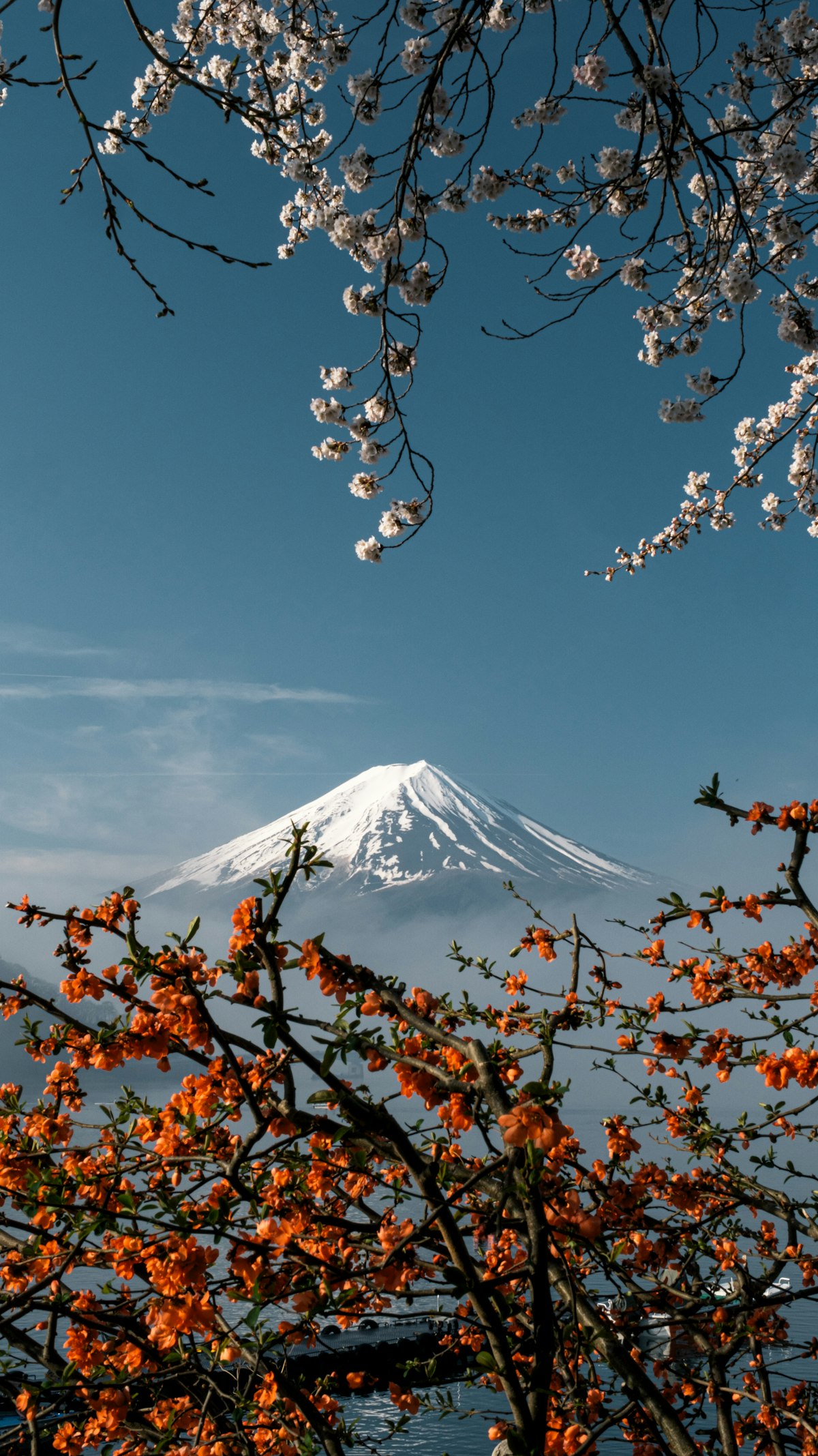
Late October–mid NovemberMt. Fuji views with autumn foliage — the combination is uniquely Japanese. Owakudani volcanic area and Lake Ashi framed by red maples.
Book Autumn Foliage Tours:
Autumn Food in Japan
Sanma (Pacific Saury)
The iconic autumn fish — grilled whole with daikon and sudachi lime. Available September–October at izakaya and fish restaurants across Japan. A seasonal must-try.
Matsutake Mushroom
Japan's most prized and expensive mushroom (can cost ¥10,000+ per mushroom). Earthy, pine-like flavor. Available October in matsutake gohan (rice) and dobinmushi (hot pot in a teapot).
Kuri (Chestnut)
Autumn chestnuts appear everywhere — in mont blanc pastries, kuri gohan (chestnut rice), marrons at street stalls. A quintessential autumn flavor in Japan.
Kabocha (Japanese Pumpkin)
Sweeter and denser than Western pumpkin. Appears in tempura, nimono (simmered dishes), soup, and wagashi sweets throughout autumn.
Nashi (Asian Pear)
Crunchy and juicy Japanese pears at their peak in September–October. Found at supermarkets, farmers' markets, and farm stands near rural areas.
Autumn Festivals
Otsukimi (Moon Viewing)
Mid-September (date varies by lunar calendar)📍 Nationwide — shrines, temples, ryokan, and homes
A quiet, contemplative festival — offerings of white dango (sweet rice dumplings), pampas grass, and chestnuts are placed in a window or garden to honor the harvest moon. A beautiful Japanese tradition to witness.
Kurama Fire Festival
October 22📍 Kurama, Kyoto (north of the city)
One of Japan's most dramatic festivals — villagers carry massive torches up a mountain at night. Deeply atmospheric and less touristy than Gion Matsuri. Limited visitor numbers; arrive by 4pm.
Shichi-Go-San
November 15 (celebrated on nearest weekend)📍 Shrines nationwide — especially Meiji Jingu (Tokyo) and Heian Jingu (Kyoto)
Children aged 3, 5, and 7 are dressed in traditional kimono for shrine visits and blessings. One of Japan's most photogenic cultural events. No participation required — respectful observation welcomed.
Autumn Food Festivals
October–November📍 Various — Sapporo Autumn Festival (Oct), Tokyo Ramen Show (Oct/Nov)
Japan's autumn harvest season spawns thousands of food festivals. Farmers' markets (marche), fish festivals near coastal towns, sake festivals (sake matsuri), and new rice celebrations.
What to Pack for Autumn Japan
- ✓Light layers: T-shirt + long sleeve + packable jacket for temperature swings
- ✓Comfortable walking shoes with good grip (wet leaves are slippery)
- ✓Umbrella or packable rain jacket — autumn showers are common
- ✓Sunscreen (October UV is still significant despite cooler temps)
- ✓Warm scarf and hat for November evenings (especially Hokkaido and high altitudes)
- ✓Camera or phone with wide-angle lens — autumn light is golden and spectacular
Frequently Asked Questions
When is the best time to visit Japan in autumn?
October is the best all-around month: ideal weather (15–23°C), no typhoon risk, comfortable humidity, and early koyo in northern regions. November offers peak foliage nationwide but with higher crowds, especially in Kyoto. September is warm and off-peak with summer-level prices.
When does koyo (autumn foliage) peak in Japan?
Koyo timing varies by region: Hokkaido peaks late September–early October; Nikko and alpine areas (Kamikochi) peak in mid–late October; Tokyo, Kyoto, and Osaka peak in mid–late November. The season progresses south roughly 2 weeks per month from Hokkaido to Kyushu.
When is koyo 2026 — predicted peak dates by region?
Based on 10-year historical averages and long-range temperature forecasts for 2026: Hokkaido (Daisetsuzan) — late September to early October; Nikko and Kamikochi — mid to late October; Greater Tokyo — early to mid November; Kyoto and Osaka — mid to late November, with the 3rd week of November typically the absolute peak for Tofuku-ji and Eikan-do. Warmer autumn temperatures (which Japan has trended toward) can delay the peak by 1–2 weeks. The Japan Meteorological Corporation releases its official koyo forecast map in early September each year at weathernews.jp — bookmark it for 2026-specific predictions.
Can I visit Japan for autumn leaves and New Year in a single trip?
Yes — a late November to early January itinerary catches both. Fly in for koyo in late November (Kyoto peaks mid-to-late November), then stay for the transition into Japan's New Year (oshogatsu). Highlights to plan around: December 31 "Joya no Kane" (108 bell strikes at midnight at major temples), January 1–3 "hatsumode" (first shrine visit of the year) at Meiji Jingu in Tokyo and Fushimi Inari in Kyoto, and New Year osechi cuisine at ryokan. Book bullet trains and December 28–January 4 hotels at least 4–6 months ahead — this is the busiest domestic travel period of the year.
Is Japan crowded in autumn?
Yes — November in Kyoto is one of the most crowded times of the year. Popular foliage spots like Tofuku-ji and Arashiyama attract massive crowds. Strategies: arrive at dawn (before 7am), go on weekdays, book accommodation 3+ months in advance, and explore lesser-known spots like Yoshino in Nara.
Should I worry about typhoons in autumn Japan?
Typhoon season runs June–October, with September being the most active month. October still has occasional storms but the risk decreases significantly. November is typhoon-free. Check NHK World or the Japan Meteorological Agency for real-time typhoon tracking if traveling in September.
What is the weather like in Japan in autumn?
September: warm and humid (22–30°C), typhoon risk. October: ideal travel weather (15–23°C), low humidity, clear skies. November: cool (8–18°C), crisp and clear, perfect for walking. Northern Japan (Hokkaido, Tohoku) is noticeably colder — bring heavier layers.
Is autumn or spring (cherry blossom) better to visit Japan?
Both are spectacular. Spring (sakura) has pink blossoms for 1–2 weeks but extreme crowds and high prices. Autumn offers 4–6 weeks of red/gold foliage, slightly fewer crowds (outside peak Kyoto November), better food (sanma, matsutake, chestnuts), and similar prices. For first-timers, spring is iconic; for repeat visitors, autumn is often preferred.