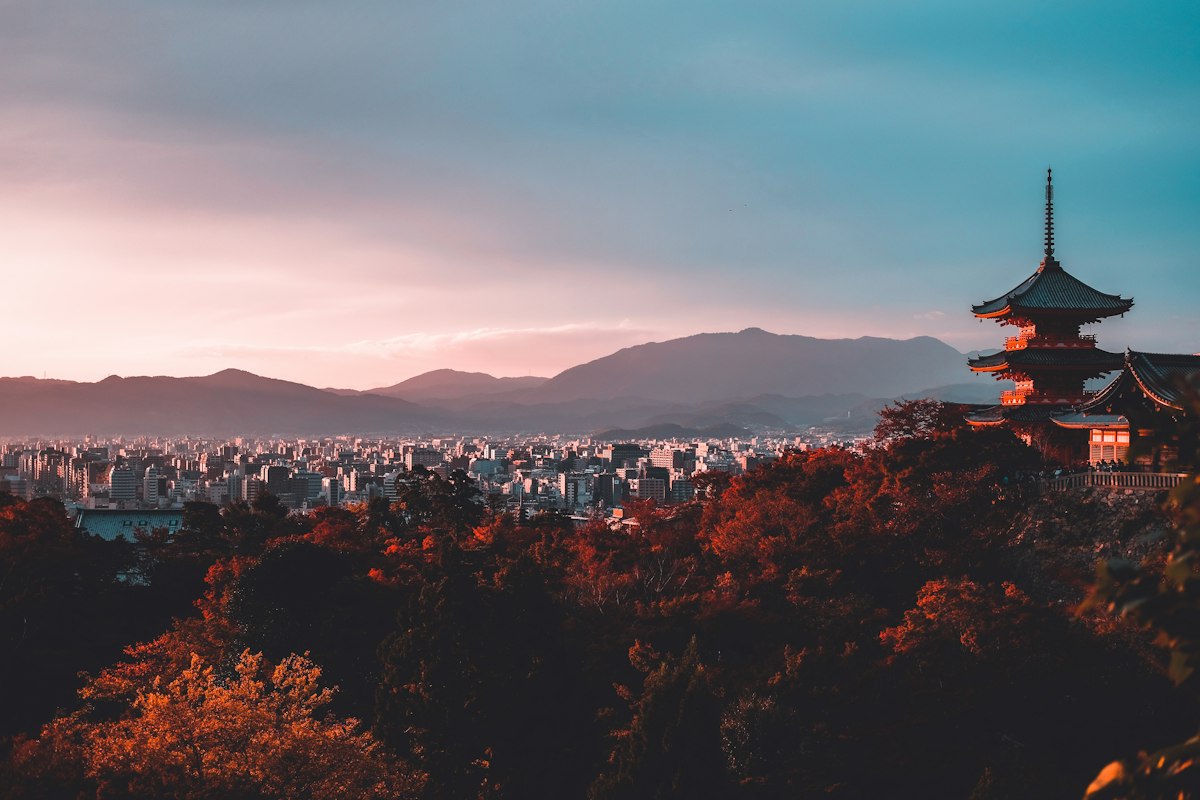
Japan Farm Stay Guide 2025: Authentic Rural Experiences
Beyond the bullet trains and temple-hopping lies a Japan that moves at the pace of seasons — where rice paddies mirror autumn skies and farming families share meals grown steps from the table. A Japanese farm stay is not an escape from Japan; it is Japan at its most fundamental.
Find Hotels Near Rural Japan
Use Tokyo as your gateway to Japan's countryside — day trips and overnight farm stays are accessible from the capital within 2–3 hours.
What Is a Farm Stay in Japan?
A farm stay (農山漁村体験, nōsanson taiken, or simply "agritourism") is an overnight experience at a working Japanese farm, mountain village, or fishing community. Guests live alongside farming families, participate in seasonal agricultural work, eat home-cooked local meals, and experience the rhythms of rural Japanese life that most tourists never see.
What Makes Japan's Farm Stays Unique
- • Satoyama landscape — the traditional mosaic of rice paddies, vegetable plots, forests, and streams that surrounds almost every rural village
- • Hands-on participation — not just watching; guests actively plant, harvest, fish, or cook
- • Farm-to-table meals — breakfast and dinner prepared with ingredients grown meters from where you sleep
- • Minshuku atmosphere — small, family-run accommodation with strong personal hospitality (omotenashi)
- • Off-the-tourist-trail — most farm stays are in villages with no other tourist infrastructure
Typical Farm Stay Includes
- • 1–2 nights accommodation
- • Breakfast and dinner (farm food)
- • 1–2 agricultural activities
- • Futon bedding in tatami rooms
- • Shared or private onsen/ofuro
What to Expect
- • Simple but clean country accommodation
- • Early morning farm schedules
- • Limited English (basic communication)
- • No air conditioning in older farmhouses
- • Star-filled skies, crickets, birdsong
Best Regions for Farm Stays in Japan
Farm stays are available across all of Japan's main islands, but certain regions have developed especially strong agritourism programs with English-accessible booking platforms and established hosting families.
Hokkaido — Dairy & Crop Farms
Best: Jun–AugHokkaido's vast agricultural landscape includes dairy farms, potato and corn farms, and lavender operations. The Furano region offers farm stays alongside flower viewing. Hokkaido farm stays tend to be more open to international visitors than other regions.
Niigata & Tohoku — Rice Country
Best: May, Sep–OctJapan's finest rice comes from Niigata (Koshihikari variety) and Tohoku. Spring rice planting (taue) in May and autumn harvest (inekari) in September–October are the two major participation opportunities. Families welcome visitors to wade barefoot in the paddies and experience centuries-old techniques.
Yamanashi & Nagano — Fruit Farms
Best: Jul–OctThe Japanese Alps foothills produce peaches, grapes, apples, and cherries. Fruit farm stays combine accommodation with picking experiences — you eat what you pick. Many fruit farms are within 2 hours of Tokyo, making them accessible weekend escapes from the city.
Kyushu — Tea & Vegetable Farms
Year-roundKagoshima, Miyazaki, and Kumamoto prefectures have subtropical climates that support year-round farming, including Japanese green tea (tencha), sweet potatoes, and mushroom cultivation. Kumamoto's Aso region volcano farmland offers dramatic scenery.
Activities to Expect at a Japanese Farm Stay
Farm stay activities vary by season, region, and host family. Most stays include at least one guided agricultural activity and one traditional craft or cooking experience.
Spring (Mar–May)
- • Rice seedling planting (taue)
- • Strawberry picking
- • Wild vegetable (sansai) foraging
- • Tea leaf picking (first flush)
- • Cherry blossom picnics on farm grounds
Summer (Jun–Aug)
- • Tomato, eggplant, and cucumber harvesting
- • Corn and sunflower picking
- • Lavender harvesting (Hokkaido)
- • Stream fishing (iwana, yamame trout)
- • Traditional irrigation maintenance
Autumn (Sep–Nov)
- • Rice harvesting (inekari)
- • Apple, pear, and grape picking
- • Sweet potato and taro digging
- • Mushroom hunting (matsutake)
- • Miso and pickled vegetable making
Winter (Dec–Feb)
- • Mochi pounding (mochitsuki)
- • Dried persimmon (hoshigaki) making
- • Snow shoveling (part of daily farm life)
- • Citrus picking in warmer regions
- • Traditional craft workshops (weaving, dyeing)
Most farm families also offer cooking workshops — making soba noodles, Japanese pickles (tsukemono), tofu, or traditional sweets (wagashi) from farm-grown ingredients.
How to Book a Farm Stay in Japan
Farm stays are not yet well-represented on mainstream hotel booking platforms. Specialist networks and regional tourism boards are the most reliable booking routes.
WWOOF Japan (wwoofjapan.com)
Work in exchange for accommodation and meals. WWOOF (Willing Workers on Organic Farms) Japan has over 700 host farms across the country. Annual membership fee required (approximately ¥5,500). Not a holiday — expect 4–6 hours of daily farm work in exchange for board and a genuine cultural immersion. Language barrier is manageable with basic communication tools.
STAY JAPAN (stayjapan.com)
Japan's largest minshuku and farm stay booking platform with English-language interface. Listings include price, activity details, meal inclusions, and host profiles. Many listings are bookable without prior Japanese ability. Prices typically range ¥6,000–¥15,000 per person per night including meals.
Regional Tourism Boards
Many prefectural tourism organizations coordinate farm stay programs — particularly in Niigata, Nagano, Hokkaido, and Okinawa. Contacting the local tourism board directly can unlock curated farm stay packages not available online. Some offer English support and itinerary planning assistance.
Booking Timeline
Book farm stays at least 4–6 weeks in advance. Popular farms during peak seasons (rice planting in May, harvest in October, summer in Hokkaido) fill up quickly. Many farm hosts appreciate a brief introduction message explaining why you want to visit — it builds trust and ensures a better experience for both sides.
Farm Stay Etiquette in Japan
Farm stays operate differently from hotels — understanding the etiquette ensures a harmonious experience for both guests and host families.
Punctuality & Schedule
Farm families wake early — expect a 06:00 start on activity mornings. Arrive at mealtimes on time; Japanese households take punctuality seriously. Departure times are usually firm. If you need to adjust schedules, communicate in advance — not on the morning of departure.
Shoes & Indoor Rules
Remove shoes at the entrance (genkan). Farm stays often have separate footwear for outdoor work — wear what is provided. Tatami rooms are entered without any footwear. Never bring outdoor work boots inside the living areas.
Meals & Dietary Needs
Communicate dietary restrictions clearly at booking, not on arrival. Farm families prepare set menus based on seasonal produce — last-minute changes are very difficult. Most farm meals are already vegetarian-friendly (rice, vegetables, tofu, miso), but strict vegan or allergy requirements need advance notice.
Gifts & Gratitude
Bringing a small omiyage (regional souvenir) from your home city or country is deeply appreciated. Something from your home country that is not available in Japan — a local tea, cookies, or a small craft — makes an excellent gift and opens conversations. Express genuine thanks for meals and activities; it means a great deal to hosts.
Frequently Asked Questions
What is nōsanson in Japan?▼
How much does a farm stay in Japan cost?▼
Do I need to speak Japanese for a farm stay?▼
What is the best season for a Japanese farm stay?▼
What agricultural activities can I do at a Japanese farm stay?▼
Plan Your Rural Japan Trip
Book city accommodation in Tokyo or Sapporo as your farm stay base — compare rates and find hotels with flexible check-in for early departures.