Japan Ghost Tour Guide 2025: Haunted Places & Yokai Trails
Japan's supernatural world is not a Halloween novelty — it is a living cultural tradition woven into temple architecture, seasonal festivals, and everyday superstition. From the fog-wreathed shores of Osorezan to the midnight fox shrines of Fushimi Inari, Japan offers ghost experiences that are both deeply atmospheric and culturally profound.
Find Hotels for Your Japan Ghost Trip
Tokyo is the best base for ghost tours — central location, late-night transport, and proximity to Yanaka, Shinjuku, and Imperial Palace night walks.
Japan Ghost Culture & Yūrei Legends
Japan has one of the world's richest supernatural traditions. Yūrei (幽霊, "dim spirits") are the ghosts of people who died with intense emotions — grief, jealousy, love, or rage — that prevented their spirit from passing on. Unlike Western ghosts, yūrei are intimately tied to specific locations and specific grievances, giving Japanese haunted places a deeply personal quality.
Key Supernatural Beings of Japan
Obon Season — Japan's Ghost Festival
Mid-August (13–16 in most regions) is Obon — the festival when spirits of deceased ancestors return to visit the living. Families light lanterns to guide spirits home, conduct grave visits, and perform Bon Odori folk dances. The atmosphere in Japan during Obon combines melancholy, reverence, and festivity in a uniquely Japanese way.
Most Haunted Places in Japan
Japan's haunted reputation is built on centuries of documented supernatural encounters, wartime tragedies, and ancient curses. These locations range from accessible tourist sites to places that require serious consideration before visiting.
Aokigahara (Sea of Trees), Yamanashi
SensitiveThe dense forest at the northwest base of Mt. Fuji has a tragic modern history alongside ancient legends of ubasute (abandonment of the elderly). The forest is genuinely eerie — the volcanic rock floor absorbs sound, compasses deviate due to iron deposits, and the dense canopy blocks most light. Visitors can walk the official trails; the forest interior requires permits. Respect and solemnity are essential.
Himuro Mansion, Nara
LegendaryThe inspiration for the survival horror game Fatal Frame — a legend-wrapped estate where a family was supposedly killed during a ritual gone wrong. The real location is disputed, and most accounts are heavily embellished, but the legend has taken on cultural life of its own. Several "Himuro Mansion tours" operate around Nara exploring the mythology and the game's relationship to Japanese ghost lore.
Fushimi Inari After Dark, Kyoto
AccessibleThe famous 10,000-torii pathway is open 24 hours. After the last tourists leave around 21:00, the upper mountain trails become genuinely atmospheric — fox statues glowing in lantern light, torii extending into absolute darkness, and the occasional rustling of Inari foxes (kitsune) in the undergrowth. The shrine is dedicated to the fox deity and has deep connections to shapeshifting and the supernatural in Japanese tradition.
Osorezan (Mt. Fear), Aomori
RemoteJapan's most otherworldly landscape — a caldera lake surrounded by sulfurous vents, barren rock, and windswept plains strewn with pinwheels and stone Jizo statues marking the souls of dead children. Bodhisattva Temple stands at the center. Itako (blind female mediums) hold public channeling ceremonies during the summer festival. The landscape genuinely resembles the Buddhist concept of jigoku (hell).
Ghost Tours in Tokyo & Kyoto
Organized ghost tours have grown significantly in Japan's English-language tourism sector. Professional guides combine historical context with supernatural legends, making the experience both educational and atmospheric.
Tokyo Ghost Tours
Tokyo has multiple tour operators running evening ghost walks through Yanaka Cemetery (the oldest large cemetery in Tokyo), Shinjuku's host bar district (built on former execution grounds), and the Imperial Palace moat area (site of numerous wartime deaths). Tours typically run 2–3 hours, cost ¥3,000–¥6,000, and are conducted in English. Operators include Magical Trip and Airbnb Experiences hosts specializing in the paranormal.
Kyoto Haunted Walks
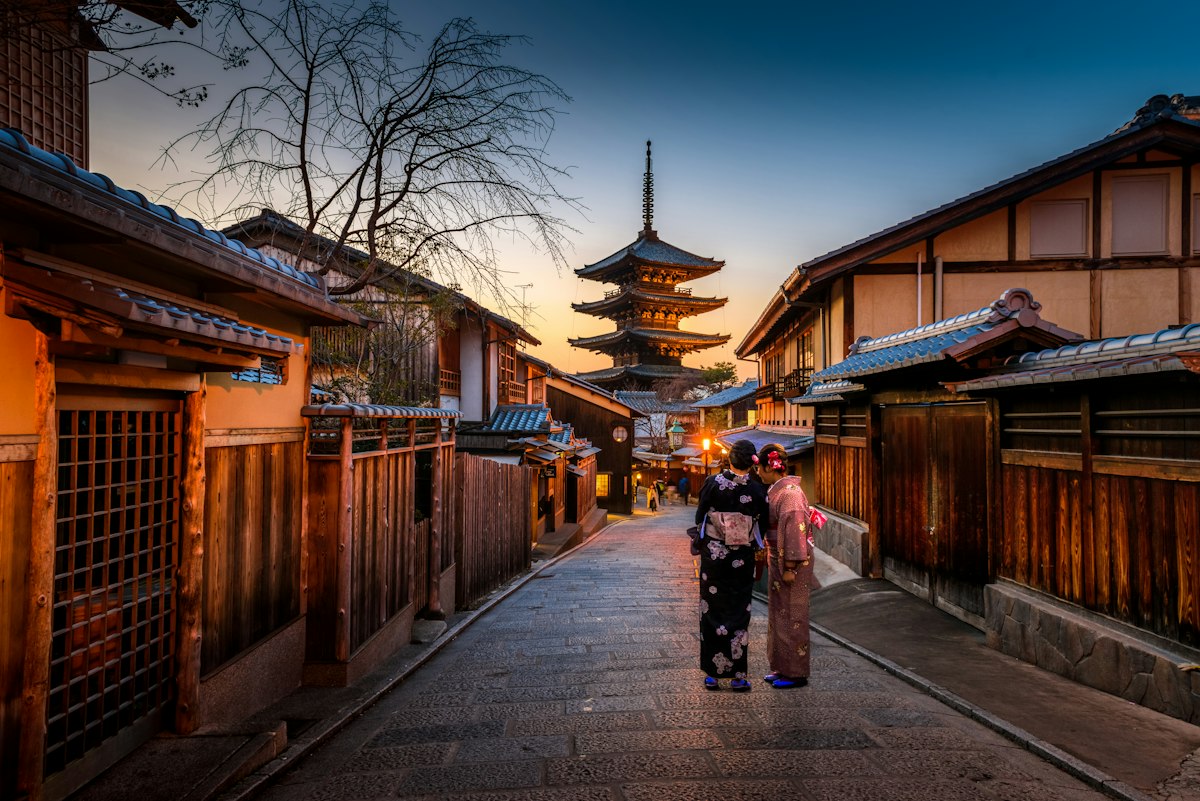
Kyoto's 1,200-year history provides rich ghost tour material. The Higashiyama district at night — Ninenzaka, Sannenzaka, and the alleys behind Kiyomizudera — feels completely different after dark. Tour operators navigate the stone-lantern-lit alleys while recounting the legends of Okiku (the well ghost), the Tokaido Road yūrei sightings, and the samurai spirits of Fushimi. Many tours include sake tasting at old machiya bars.
Self-Guided Night Walks
For independent travelers: Yanaka in Tokyo (old cemetery neighborhood, preserved Edo atmosphere), Fushimi Inari upper trails after 21:00, Arashiyama bamboo grove at night (solar-powered lanterns illuminate the path), and Nara deer park at dusk when deer become ghostly silhouettes around the lantern-lit shrines.
Yokai Trails & Supernatural Landscapes
Several Japanese towns have embraced their supernatural heritage by creating permanent yokai trails — streets lined with statues, murals, and exhibits dedicated to local monster legends.
Mizuki Shigeru Road, Sakaiminato (Tottori)
The hometown of Mizuki Shigeru — creator of the manga GeGeGe no Kitaro, Japan's most beloved yokai story — has transformed its main shopping street into a 800-meter yokai parade. 177 bronze yokai statues line the road. A dedicated Mizuki Shigeru Museum chronicles the artist's life and Japan's yokai traditions. The entire town leans into supernatural tourism — highly recommended for families.
Ichijo-dori Yokai Street, Kyoto
A historic Kyoto street traditionally associated with yokai processions (hyakumonogatari). Small shops sell yokai goods and figurines; the annual Halloween parade draws costumed participants from across Japan. The street's connection to yokai dates to Heian-period legends of supernatural beings congregating at intersections after midnight.
Tengu of Mt. Kurama, Kyoto
Mt. Kurama north of Kyoto is the legendary domain of the Great Tengu — the mountain spirit who supposedly taught the legendary warrior Minamoto no Yoshitsune his martial skills. The mountain trail to Kurama Temple passes through ancient cedar forests with genuinely primeval atmosphere. The Kurama Fire Festival (October) culminates in a torchlit procession that draws deep from Japan's supernatural traditions.
Best Haunted Accommodations in Japan
For travelers seeking an immersive supernatural experience, Japan offers accommodation options ranging from genuine historical haunted properties to themed experiences in atmospheric settings.
Ancient Ryokan with Ghost Stories
Several of Japan's oldest ryokan — particularly along the Tokaido and Nakasendo highways — have documented ghost stories attached to specific rooms. Fujiya Hotel in Hakone (est. 1878) and Nishiyama Onsen Keiunkan in Yamanashi (est. 705 AD — the world's oldest hotel) both have documented supernatural lore. Staying in these properties means sleeping in rooms where samurai, merchants, and historical figures have spent their last nights.
Osorezan Bodaiji Temple Lodging
Staying overnight at the temple on Mt. Fear puts you in one of Japan's most supernatural landscapes at dawn and dusk — when the sulfur vents and stone shores are wrapped in mist. Accommodation is simple temple lodging (shukubo) with vegetarian Buddhist cuisine. Only available during summer season; book through the temple directly.
Themed Horror Hotels
Several Japanese amusement parks and entertainment complexes offer seasonal haunted hotel accommodations — Fuji-Q Highland's haunted house experiences, Universal Studios Japan's Halloween events, and Tokyo Disneyland's Haunted Mansion adjacent lodging. These are theatrical rather than genuinely historical but provide family- friendly supernatural thrills.
Frequently Asked Questions
What is the most haunted place in Japan?▼
Is it safe to visit Aokigahara forest?▼
What are the best ghost tour companies in Japan?▼
What is the Obon festival and why is it associated with ghosts?▼
Are haunted hotels in Japan actually scary?▼
Plan Your Japan Ghost & Culture Trip
Compare hotels in Tokyo for your supernatural Japan adventure — choose central locations that give easy access to late-night ghost walk departures.