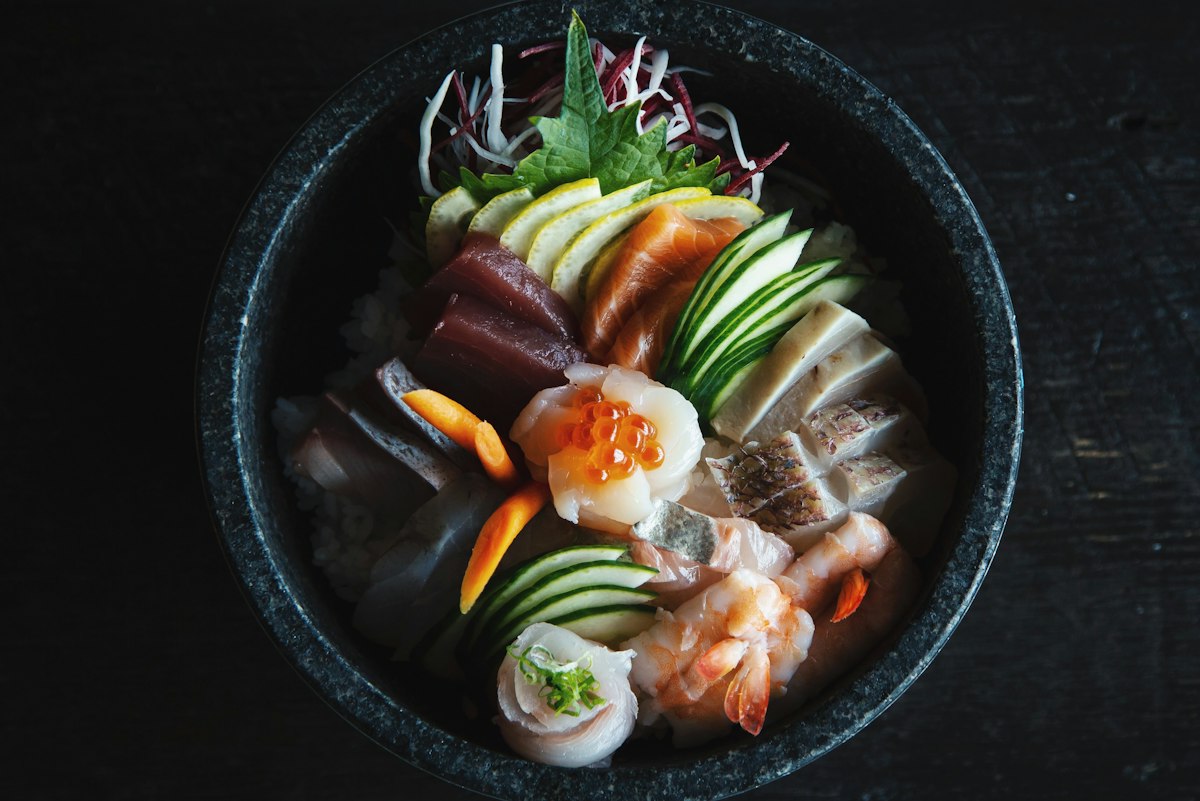
Japan Ikura Guide 2025
Ikura — Japan's prized salmon roe — is one of the country's great seasonal delicacies, most celebrated in Hokkaido during the autumn salmon run. From glistening ikura don rice bowls at Hakodate's morning market to ikura gunkan sushi at Tokyo counters, this guide covers everything you need to know: what ikura is, where to eat the best, how much to pay, and the difference between ikura and other fish roe.
Find Hotels in Sapporo — Gateway to Hokkaido's Markets
Stay in Sapporo to access Nijo Market for morning ikura don and day-trip to Hakodate and Kushiro for the full Hokkaido seafood experience.
What Is Ikura? Japan's Prized Salmon Roe
Ikura (イクラ) is salmon roe — the bright orange-red eggs of Pacific salmon — cured and seasoned for use in Japanese cuisine. The name comes from the Russian word "ikra" (fish roe), adopted into Japanese via historical trade routes. Each ikura egg is a complete, intact sphere that bursts on the palate releasing a rich, mildly briny, slightly sweet flavor.
Ikura at a Glance
- • Source fish: Chum salmon (sake), sockeye, or pink salmon
- • Curing method: Fresh roe soaked in soy sauce, sake, and mirin for 12–24 hours
- • Color: Vibrant orange-red, translucent
- • Texture: Firm outer membrane that pops cleanly with the slightest pressure
- • Flavor: Clean, mildly briny, subtly sweet — much less intensely saline than sturgeon caviar
- • Peak season: September–November (fresh ikura season, during salmon runs)
- • Year-round availability: Frozen or preserved versions
Price Reference
- • Fresh ikura sushi (gunkan): ¥300–¥600 per piece
- • Ikura don rice bowl: ¥1,500–¥3,500
- • Mix bowl (ikura + uni): ¥2,500–¥5,000 at Hokkaido markets
Ikura vs. Tobiko vs. Masago: Fish Roe Comparison
Japanese cuisine uses several types of fish roe — understanding the differences helps you order with confidence and appreciate each type's role in the kitchen.
Ikura (イクラ, Salmon Roe)
Large (4–7mm), translucent orange, rich flavor, firm pop. The most prized fish roe in Japanese cuisine. Used as a sushi topping, in donburi rice bowls, and as a garnish. Significantly more expensive than tobiko or masago.
Tobiko (とびこ, Flying Fish Roe)
Tiny (1mm), naturally orange — often dyed black (squid ink), red (beet), or green (wasabi). Milder flavor, multiple pops per bite. Used as a sushi topping and garnish. Much more affordable than ikura; often used decoratively on rolls.
Masago (まさご, Capelin Roe)
Very small (under 1mm), similar to tobiko but slightly cheaper and less vibrant in flavor. Often used as a tobiko substitute at lower-price-point sushi restaurants.
Tarako / Mentaiko (たらこ / 明太子, Pollack Roe)
Not the same as ikura — tarako is cured pollack roe, sold as a lobe (different shape and flavor profile). Spicy mentaiko is a Fukuoka variation. Used in pasta, onigiri, and as a standalone snack — a completely different culinary role from ikura.
Ikura vs. Sturgeon Caviar
Ikura is fundamentally different from sturgeon caviar — it's larger, less intensely saline, and much less expensive. Salmon roe is widely enjoyed across Japan at all economic levels; caviar is a Western luxury with minimal presence in traditional Japanese food culture.
Ikura Don: Japan's Most Iconic Roe Rice Bowl
Ikura don (イクラ丼) is a donburi rice bowl topped with a generous layer of fresh ikura, served with a sprinkle of sesame seeds, perhaps a shiso leaf, and a thin sheet of nori. It is one of Japan's most visually striking dishes — the glistening orange roe against white rice creates an image synonymous with Hokkaido food culture.
Hakodate Asaichi (Morning Market)
The most famous ikura don location. Multiple market vendors pile fresh ikura over rice for morning breakfast bowls (¥1,500–¥3,000). Some vendors offer a "mix bowl" of ikura and uni (sea urchin) together — a Hokkaido luxury breakfast.
Sapporo Nijo Market
Central Sapporo location — convenient for city visitors, less tourist-heavy than Hakodate, excellent quality. Multiple stalls selling fresh ikura and ikura don, open from early morning.
Tsukiji Outer Market (Tokyo)
Several stalls serve ikura don as a morning market breakfast. Not Hokkaido-level freshness during off-season, but an excellent choice when in Tokyo — open from around 5am.
Kushiro Washo Market
Often called the "Siberia Market" — famous for "kattoishi kaisendon" where visitors buy plain rice from one vendor and pile their own toppings from other market stalls. A unique, interactive dining experience.
Peak Season Tip
September–October fresh ikura season is the best time — the freshest, most vibrant roe with the cleanest flavor. Color is deeper orange, pop is firmer, and flavor is more complex than frozen off-season stock.
Ikura in Sushi Culture
Ikura Gunkan-maki (イクラ軍艦巻き)
The standard sushi form — rice wrapped in a nori "warship" band (gunkan = battleship), topped with a portion of ikura. The nori provides a slight bitterness that balances the richness of the roe. One of the most beloved pieces at both conveyor belt and high-end omakase counters.
- • Conveyor belt sushi price: ¥300–¥600 per plate
- • High-end omakase price: ¥600–¥1,200 per piece
Chef's Tip: Seasonal Ordering
Fresh ikura season (September–November) is the best time to order ikura sushi at a quality sushi counter — off-season ikura is frozen, which is still excellent but slightly different in texture and intensity. Ask the chef whether today's ikura is fresh or from frozen stock.
Sake Pairing
Ikura pairs beautifully with dry, slightly acidic Japanese sake — especially junmai or junmai ginjo styles. The roe's richness needs the sake's acidity to cut through and cleanse the palate between bites.
Hokkaido: Japan's Ikura Capital
Hokkaido is Japan's primary salmon-producing region, and ikura is inseparable from Hokkaido food identity. The salmon run from late August through November fills Hokkaido's rivers — at specific river points (Chitose River, Tokachi River), it's possible to watch wild salmon jumping during the peak run.
Hakodate Asaichi (Morning Market)
Open daily from 6am — the most famous ikura and seafood market in Japan. Multiple vendors sell fresh ikura, ikura don, and the iconic ikura + uni mix bowls. Arrive by 7am for the best selection and freshest stock.
Sapporo Nijo Market
Central Sapporo — convenient for city visitors. Slightly more relaxed atmosphere than Hakodate but similar quality. Good option for those without time to travel to Hakodate.
Kushiro Washo Market
Famous for the "kattoishi kaisendon" experience — buy plain rice, then roam the market selecting your own toppings (ikura, crab, sea urchin, scallop). A uniquely interactive seafood meal.
Getting to Hokkaido
- • By air to Sapporo: 90 minutes from Tokyo — New Chitose Airport to Sapporo Station by train takes 30 minutes
- • Hakodate by Shinkansen: 4 hours from Tokyo (Hokkaido Shinkansen to Shin-Hakodate-Hokuto, then local train)
- • Kushiro: 45 minutes by air from Sapporo, or 3.5–4 hours by train (Tokachi/Ozora limited express)
Frequently Asked Questions
What is ikura?▼
What does ikura taste like?▼
Where can I eat the best ikura don in Japan?▼
What is the difference between ikura and tobiko?▼
When is the best time of year to eat ikura in Japan?▼
Experience Hokkaido's Seafood Culture
Sapporo is the gateway to Hokkaido's famous markets — fresh ikura, king crab, and uni at morning markets.