Japan Kanzashi Guide 2025
Kanzashi — Japan's traditional decorative hair ornaments — are most famous as the seasonal accessories worn by Kyoto's maiko, changing each month to reflect the current season's flowers and natural motifs. This guide covers the types of kanzashi, their meanings, where to buy authentic pieces in Kyoto and Tokyo, and how to wear them.
Stay in Kyoto and Immerse in Traditional Culture
Kyoto's Gion district puts you in the heart of maiko culture, kanzashi craft shops, and traditional arts experiences.
What Is Kanzashi? Japan's Iconic Hair Ornaments
Kanzashi (簪) are traditional Japanese decorative hair ornaments — pins, combs, and decorative picks used in traditional Japanese hairstyles (nihongami). They are most strongly associated with geisha and maiko culture in Kyoto, where a maiko's kanzashi changes monthly according to the season — serving as a subtle calendar of Japanese nature and festivals.
Kanzashi at a Glance
- • Worn by: Maiko (apprentice geisha), geisha, women in traditional dress for formal ceremonies and matsuri
- • Materials: Tortoiseshell, lacquered wood, silver, gold, coral, silk flowers, glass, jade
- • Acquisition: Fine antique kanzashi are collected and some reach ¥50,000–¥200,000+ at auction
Seasonal Maiko Kanzashi Calendar
- • January: Pine / plum blossom
- • February: Plum blossom
- • March–April: Cherry blossom and rape flower
- • May: Iris / lily
- • June: Hydrangea / willow
- • July: Gion Matsuri fans
- • August: Goldfish / fireworks
- • September: Morning glory
- • October: Cosmos / chrysanthemum
- • November: Maple
- • December: Camellia / narcissus
Types of Kanzashi: From Simple to Elaborate
Kanzashi come in many forms — from the elaborate silk flower arrangements worn by maiko to simple decorative pins suitable for everyday wear with a yukata.
Hana-kanzashi (花簪)
Elaborate silk flower arrangements worn by maiko — the most recognizable form. Created by Kyoto artisans (hana-kanzashi craftspeople) and changed monthly to reflect the current season's flowers and natural motifs.
Bira-bira Kanzashi (びらびら簪)
Metal pins with long dangling ornaments that sway as the wearer moves — creating a characteristic jingling sound that announces the wearer's movement. Particularly associated with young maiko.
Kushi (櫛)
Decorative combs in lacquered wood, tortoiseshell, or plastic — often with inlaid designs. Used in nihongami and modern semi-formal hairstyles. A practical and accessible kanzashi type for tourists.
Tamakanzashi (玉簪)
Simple sphere-topped pins — the most accessible form for everyday traditional dress. A single tamakanzashi in a bun adds elegance to casual kimono or yukata wear.
Chirimen Kanzashi
Silk crepe fabric shaped into flowers — washable and less fragile than silk varieties. An excellent souvenir option: lightweight, reasonably priced (¥1,500–¥4,000), and practically beautiful.
Maiko Kanzashi: The Seasonal Calendar of Kyoto
A maiko's hana-kanzashi is a living calendar — visitors to Gion can identify the month by observing which seasonal motif the maiko wears. This tradition links Japanese aesthetics to the natural world in a deeply codified way, reflecting the philosophy of mono no aware — sensitivity to the transience of nature.
Viewing Maiko Kanzashi
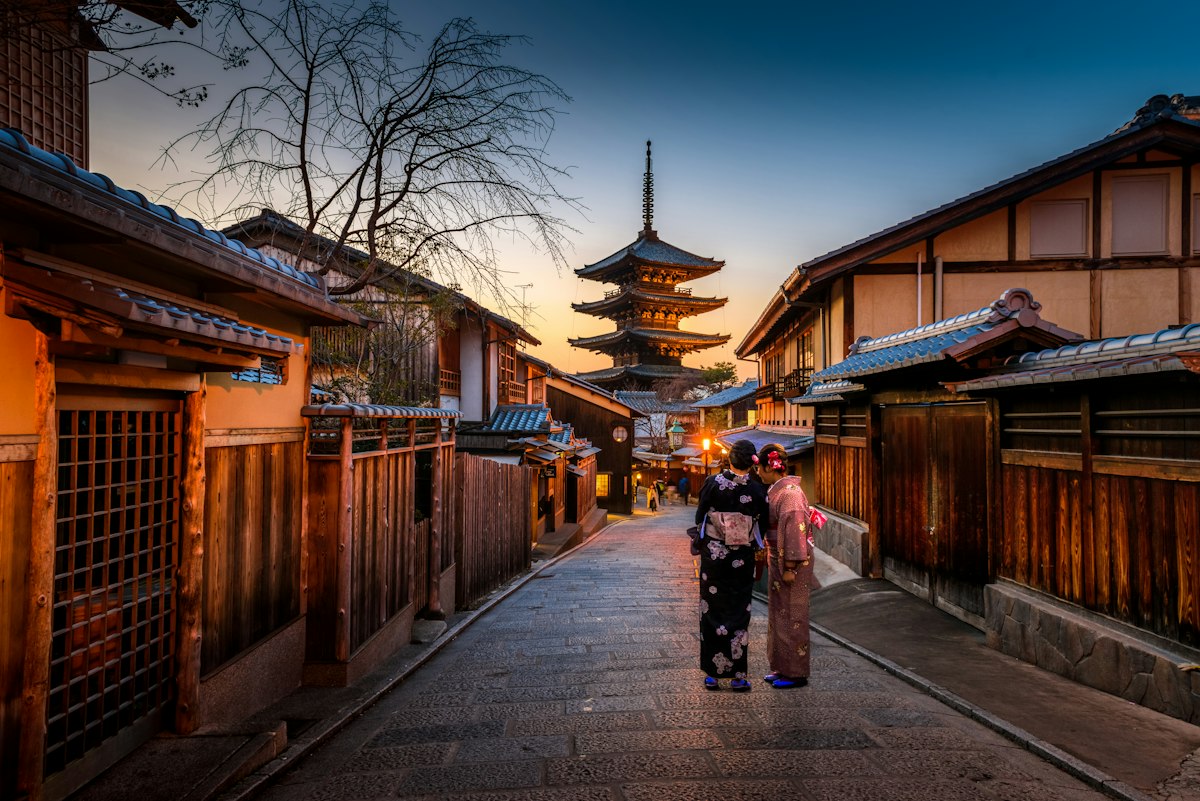
Spend time in the Gion district (Hanamikoji Street) in the early evening — maiko travel between ochaya (teahouses) and can be glimpsed by respectful observers. Do not photograph without permission. The glimpse of a maiko's seasonal kanzashi is a highlight of Kyoto evenings.
Maiko Transformation Experiences
Some Kyoto studios offer full maiko costume including kanzashi (¥8,000–¥20,000) — a complete transformation with professional photography included. This is the closest tourists can get to experiencing the full hana-kanzashi up close.
If you book a maiko performance experience at a teahouse or cultural center, you can observe the kanzashi in detail and ask the maiko about the seasonal symbolism — one of the more memorable cultural encounters available in Kyoto.
Where to Buy Kanzashi in Kyoto and Tokyo
Authentic kanzashi can be found across Kyoto and Tokyo, from traditional craft shops to monthly flea markets.
In Kyoto
- • Miyawaki Baisen-an (near Nijo Castle)
- • Gion area shops along Shijo-Hanamikoji
- • Kyoto Costume Museum shop
- • Toji Temple flea market (21st of each month — antique kanzashi at reasonable prices)
- • Nishijin textile district workshops
In Tokyo
- • Asakusa traditional accessory shops (Nakamise area)
- • Koenji vintage stores
- • Shimokitazawa thrift shops (antique kanzashi)
- • Tokyo design markets (contemporary mizuhiki accessories)
Price Ranges
- • Modern mass-market kanzashi: ¥500–¥2,000
- • Handcraft studio pieces: ¥3,000–¥15,000
- • Antique tortoiseshell or silver: ¥20,000–¥200,000+
- • Souvenir sweet spot: Chirimen silk flower kanzashi ¥1,500–¥4,000 — lightweight, beautiful, and excellent gifts
How to Wear Kanzashi: Modern and Traditional Use
Kanzashi are worn in a range of contexts from formal traditional ceremony to casual summer festival fashion — making them one of Japan's most versatile traditional accessories.
Traditional Wear
Kanzashi are worn with kimono or yukata for formal events: seijin shiki (coming-of-age ceremony), weddings, tea ceremony, and matsuri. In a traditional nihongami updo — the complex hairstyle of geisha — multiple kanzashi types are worn simultaneously in a carefully composed arrangement.
Modern and Casual Wear
Many Japanese women incorporate a single simple kanzashi into everyday updos — a single tamakanzashi pin in a bun adds elegance. Wearing a single hana-kanzashi or bira-bira kanzashi with a yukata at summer matsuri is mainstream summer fashion among young Japanese women.
Tourist Kimono Rental
All Kyoto kimono rental shops include kanzashi as part of the rental package — you'll have a selection to choose from based on the kimono fabric and season. This is the easiest way for visitors to experience wearing kanzashi in an authentic context.
Frequently Asked Questions
What is kanzashi?▼
What do maiko kanzashi represent?▼
Where can I buy authentic kanzashi in Kyoto?▼
How much do kanzashi cost?▼
Can tourists experience wearing kanzashi in Japan?▼
Stay in Kyoto and Immerse in Traditional Culture
Kyoto's Gion district puts you in the heart of maiko culture, kanzashi craft shops, and traditional arts experiences.