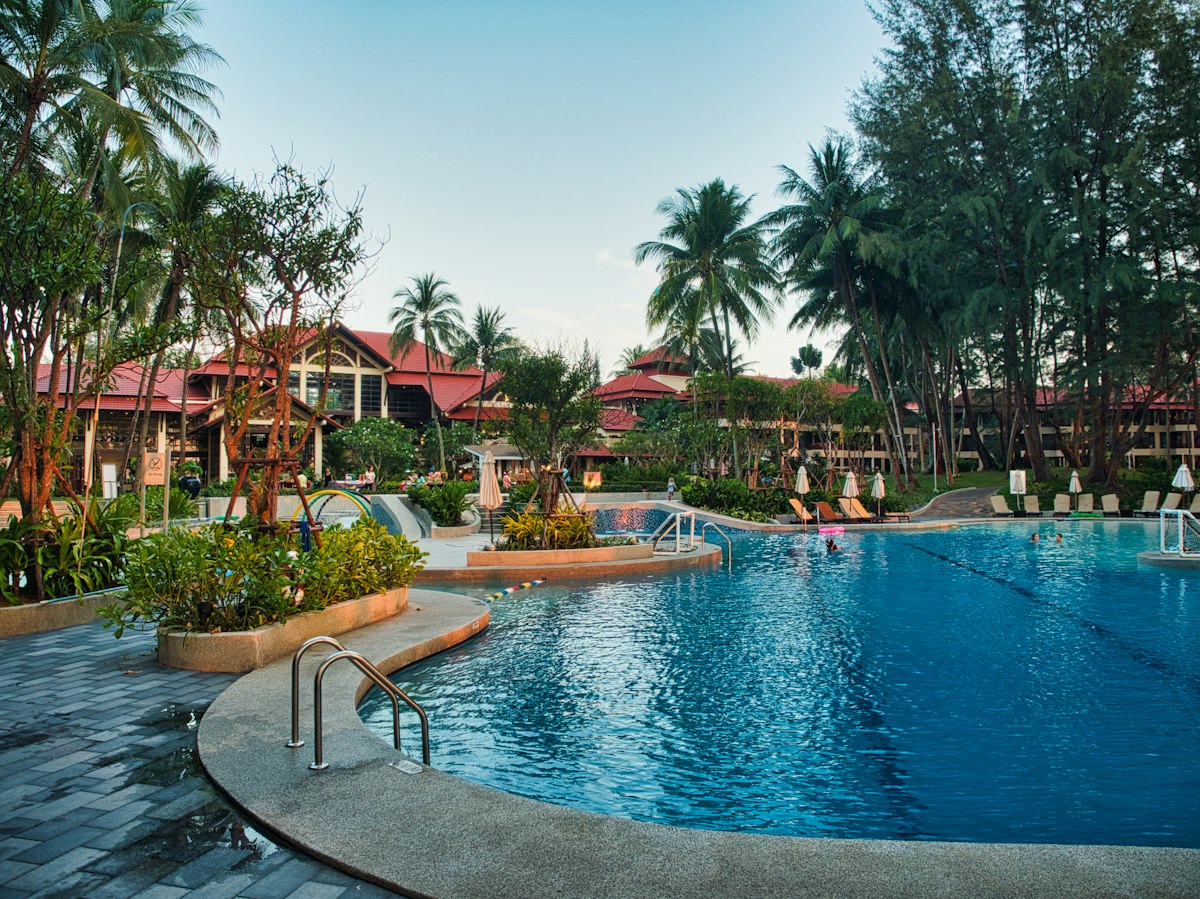
Miyako-jima lies 300km southwest of Okinawa's main island — a flat coral island with some of Japan's most spectacular beaches and dive sites. The island's famous Yonaha Maehama beach stretches 7km of white sand with water so clear you can see the bottom in 10 meters depth. The Miyako island chain extends further via a series of free toll bridges.
Top Attractions on Miyako Islands
🏖️ Yonaha Maehama Beach
FreeJapan's most beautiful beach — 7km white sand crescent with shallow turquoise water, voted Japan's top beach
🌊 Sunayama Beach
FreeDistinctive rock arch at the shoreline — short hike through pine grove, stunning sunsets
🤿 Miyako-jima Diving
From ¥10,000World-class coral walls and drift dives — Toriike cave, hammerhead sharks Jan–Mar (advanced), 30–50m visibility
🌉 Irabu Bridge & Islands
FreeJapan's longest toll-free bridge (3.5km) to Irabujima — pristine beaches at Toguchi-no-Hama, Sawada-no-Hama
🦅 Ikema Island
Free10-min drive by causeway — mangrove wetlands, seabird watching, quiet traditional Ryukyu village atmosphere
🧵 Miyako Traditional Textiles
¥500 workshopMiyako-jofu ramie fabric — designated Important Intangible Cultural Property, weaving demonstrations at Nishizato
Stay on Miyako-jima
Hirara city (main port) is the urban center but most travelers prefer beach resort areas like Yonaha Maehama on the southwest coast. Shimaji and Irabujima island resorts offer secluded options. Direct flights from Tokyo Haneda take 3.5h (¥30,000–40,000); Naha to Miyako takes 45 min. Best beach weather: April–October.
Frequently Asked Questions
How do I get to Miyako-jima from Okinawa or Tokyo?
Direct flights from Tokyo Haneda to Miyako Shimoji Airport take about 3.5 hours (¥25,000–40,000 depending on season and carrier). From Naha (Okinawa main island), flights take 45 minutes (¥10,000–15,000 on ANA or JTA). There is no regular ferry service from Okinawa mainland to Miyako. The main airlines serving Miyako are ANA, JAL, and Skymark; budget carrier Peach also operates routes from Tokyo and Osaka to Miyako. Rental cars and bicycles are the primary means of transport on the island.
What are the best beaches on Miyako-jima?
Yonaha Maehama (与那覇前浜) on the southwest coast is Miyako's most celebrated beach — a 7km crescent of powder-white sand with shallow turquoise water. It has been repeatedly voted Japan's top beach. Sunayama Beach (砂山ビーチ) is smaller but famous for its distinctive rock arch and vivid sunsets; reached by a short trail through pine forest. Yoshino Beach on the east coast is excellent for shallow snorkeling with coral and tropical fish right from shore. Irabujima, connected by bridge, adds Toguchi-no-Hama and Sawada-no-Hama beaches with pristine turquoise water and fewer crowds.
Is diving in Miyako-jima suitable for beginners?
Miyako-jima has dive sites for all levels. Beginners can enjoy the shallow reefs at Yoshino Beach and guided boat dives on the outer reef (5–12m) with excellent visibility of 30–50m. The advanced sites include wall dives at Midway (dramatic coral walls descending to 40m), drift dives in strong currents, and the famous "Toriike" tidal pools where seawater flows between ocean and a bay through an underwater cave. The hammerhead shark aggregation site is seasonal (January–March) and for experienced divers only. Dive shops in Miyako offer PADI courses, fun dives, and equipment rental; prices are ¥10,000–15,000 per dive including equipment.
What is the best time to visit Miyako-jima?
April–October is beach and diving season — water temperatures 25–30°C, sunny weather. June is the rainy season (tsuyu) but typically less rainy than mainland Japan. July–August is peak season with hot weather (30–33°C) and crowds; book accommodation early. September–October is comfortable with fewer tourists. November–March is cooler (20–25°C), fewer crowds, and cheaper prices; the sea is usually calm and visibility excellent for diving, though beach swimming is chilly. Typhoon season runs July–October — check forecasts and have flexible bookings.
What are the other Miyako Islands worth visiting?
Irabujima and Shimojijima are connected to Miyako by the 3,540m Irabu Bridge (2015; toll-free) — the longest toll-free bridge in Japan. These two islands have excellent beaches (Toguchi-no-Hama, Sawada-no-Hama), snorkeling, and the airstrip of Shimoji Airport (private). Ikema Island is connected by a short causeway (10 min from Hirara) with mangrove wetlands, seabird watching, and a quiet traditional village. Kurima Island is connected by a bridge opened in 2015, offering pristine beaches and dramatic coastal scenery. All bridges are free and easily cycled or driven.