Japan Shoyu Ramen Guide 2025
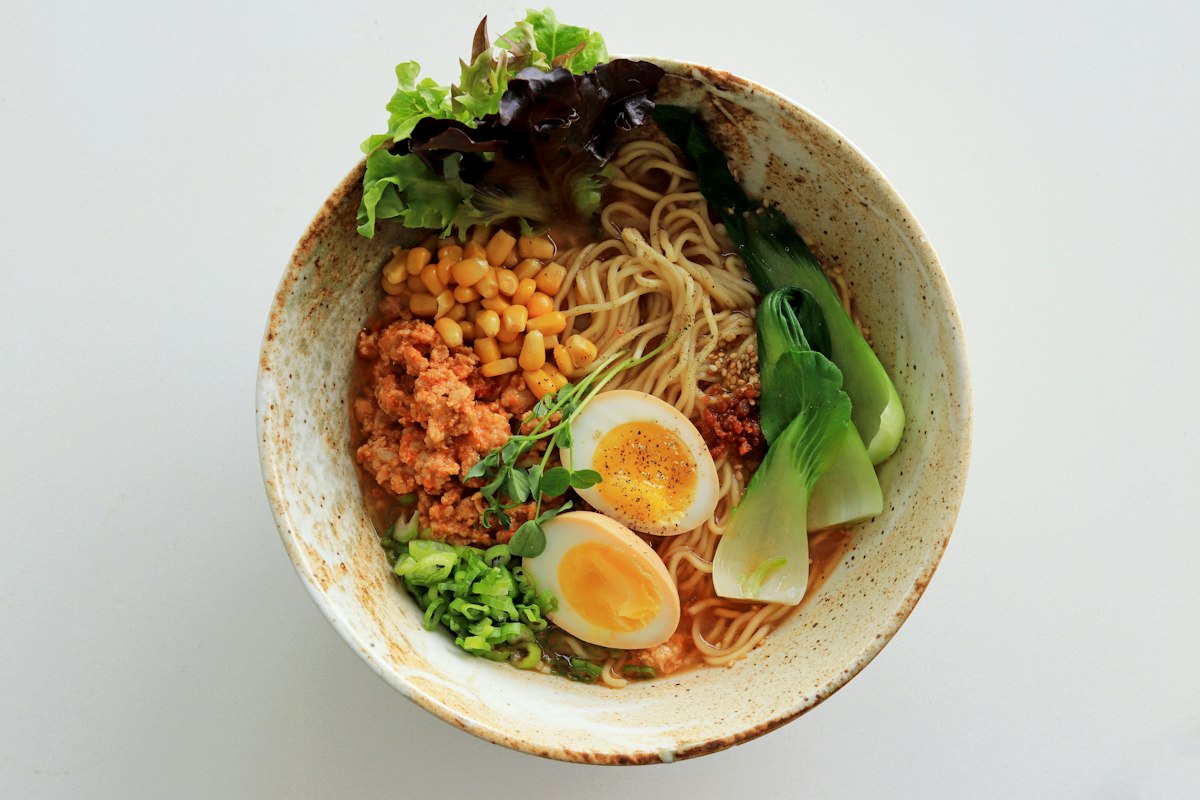
Shoyu ramen is Tokyo's original ramen — a clear, amber-colored soy sauce broth over wavy noodles, dating to 1910. Lighter and more nuanced than tonkotsu, it is the style most associated with traditional Japanese ramen culture and remains the benchmark against which every other ramen is measured.
Find Hotels in Tokyo — Near the Best Ramen Districts
Stay in Shinjuku, Shibuya, or near Tokyo Station to access Tokyo's top shoyu ramen shops — many within walking distance of major hotels.
What Is Shoyu Ramen? Tokyo's Classic Soy Sauce Bowl
Shoyu ramen (醤油ラーメン) — soy sauce ramen — is the original Tokyo-style ramen and one of Japan's oldest ramen traditions. Its hallmark is a clear, amber-colored broth built from chicken or pork stock seasoned with a carefully blended soy sauce tare (concentrated seasoning). The result is a broth that is savory, complex, and surprisingly light compared to tonkotsu.
Shoyu Ramen at a Glance
- • Broth: Clear golden amber — chicken or pork stock + soy sauce tare
- • Noodles: Wavy, medium-thickness noodles (Tokyo style); straight thin noodles in some regions
- • Toppings: Chashu pork, menma bamboo shoots, nori, narutomaki fish cake, soft-boiled egg (ajitama)
- • Origins: Tokyo (Asakusa, 1910 — Rairaiken restaurant)
- • Price range: ¥800–¥1,500 for a bowl
- • Flavor profile: Savory, balanced, umami-forward — less heavy than miso or tonkotsu
Shoyu vs. Tonkotsu, Miso, and Shio Ramen
Shoyu (Soy Sauce)
Clear amber broth, savory, umami-rich, balanced. The tare (concentrated soy seasoning) can be made from different soy sauce varieties (koikuchi, usukuchi, tamari) giving each shop a unique flavor. The most versatile ramen style — works with chicken, pork, or even dashi-based broths.
Tonkotsu (Pork Bone)
Opaque white, intensely rich and creamy from boiled pork bones. Much heavier than shoyu. Fukuoka-style uses very thin noodles; the broth coats the palate in fat and collagen. Best for those who want maximum richness.
Miso
Fermented soybean paste tare — hearty, deeply savory, slightly sweet. Originated in Hokkaido (Sapporo). Pairs well with corn, butter, and root vegetables. The richest of the three common tare styles.
Shio (Salt)
The lightest and most delicate style — clear broth seasoned with salt alone. Best at showcasing high-quality dashi (kombu, katsuobushi, or chicken). Common in Hakodate, Hokkaido and coastal regions where fresh seafood dashi is the star.
Tokyo's Shoyu Ramen History & Regional Character
Tokyo shoyu ramen has been evolving since 1910, when Rairaiken in Asakusa began serving a Chinese-influenced noodle soup adapted for Japanese tastes. Over a century, Tokyo-style shoyu ramen developed distinct characteristics that set it apart from regional shoyu styles.
Classic Tokyo Style
- • Chicken + pork combined broth
- • Medium wavy noodles
- • Spinach, narutomaki fish cake, menma, nori
- • Broth enhanced with mayu (charred garlic oil)
Kitakata Style (Fukushima)
- • One of Japan's three great ramen cities
- • Extra-flat, ribbon-like noodles
- • Pork + iwashi sardine dashi broth
- • Eaten for breakfast in Kitakata city
Modern Neo-Classic
- • High-quality dashi using aged soy sauce
- • Single-origin soy sauce tare
- • Premium chashu and hand-made noodles
- • Michelin Bib Gourmand-recognized shops
Tsukemen Variation
- • Dipping ramen — noodles served cold or warm alongside thick concentrated broth
- • Often shoyu-based dipping broth with added fish dashi
- • Pioneered by Rokurinsha in Tokyo Station
Best Shoyu Ramen Shops in Tokyo
Fuunji (Shinjuku)
Famous for tsukemen with an intensely concentrated shoyu-based dipping broth. Often cited as one of the best tsukemen shops in Tokyo. Queue before opening time (11am) is standard.
Rokurinsha (Tokyo Station)
The most famous tsukemen shop in Japan — the queue at Tokyo Station often extends 40–60 minutes. Its fish-and-shoyu dipping broth with ultra-thick noodles is the defining tsukemen experience. Located in Tokyo Ramen Street (underground B1).
Taishoken (Higashi-Ikebukuro)
Historic shop credited with inventing tsukemen in 1955. Classic shoyu flavors, old neighborhood ramen shop atmosphere. A pilgrimage stop for ramen history enthusiasts.
Kinme Tori (Shibuya)
Michelin Bib Gourmand recognized. Pure chicken shoyu broth — elegant, clear, clean flavors. Excellent for those who want to taste what high-quality shoyu ramen tastes like without heavy pork or fish overtones.
How to Order Shoyu Ramen in Japan
Ticket Machine (Vending Machine)
Many ramen shops use券売機 (ken-baiki) — a ticket vending machine. Purchase your ticket at the entrance and hand it to staff when seated. Select:
- • 醤油ラーメン (shoyu ramen) — basic bowl
- • 特製 (tokusei) — deluxe version with extra toppings
- • 大盛 (oomori) — extra noodles
- • 味玉 (ajitama) — soft-boiled marinated egg add-on
Useful Phrases
- • Katame de onegaishimasu (固めでお願いします): Firm noodles, please
- • Komakame de onegaishimasu (小盛でお願いします): Small portion, please
- • Kaedama (替え玉): Extra noodles (where offered)
Frequently Asked Questions
What is shoyu ramen?▼
What is the difference between shoyu ramen and tonkotsu ramen?▼
Where is shoyu ramen most popular in Japan?▼
What is tsukemen?▼
What are the best shoyu ramen shops in Tokyo for tourists?▼
Book Your Tokyo Ramen Adventure Stay
Tokyo has hundreds of ramen shops within easy reach of any hotel — the best shoyu ramen in Japan is never far away.