Ibaraki Travel Guide
Nemophila flower seas, plum gardens & lakeside cycling
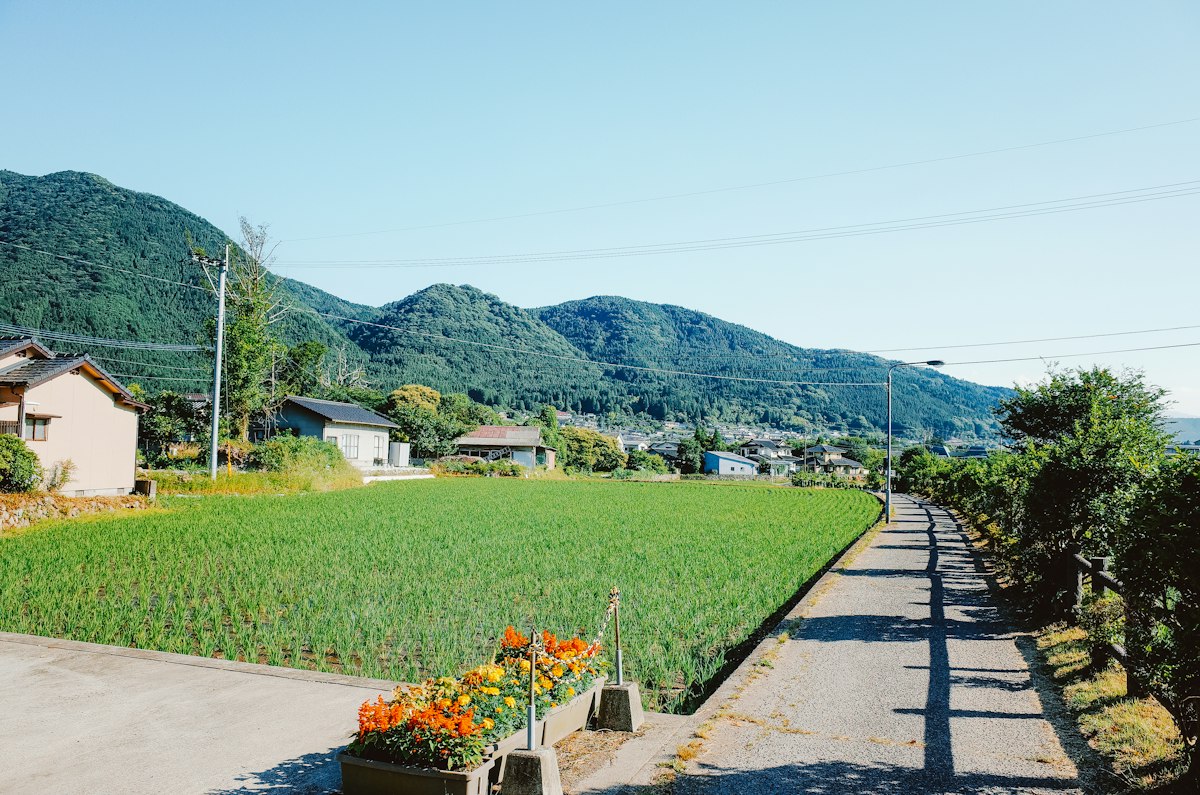
Ibaraki Prefecture, just one hour from Tokyo by express train, conceals some of Japan's most spectacular natural and cultural treasures. Every spring, the hillsides of Hitachi Seaside Park disappear under a sea of 4.5 million blue nemophila flowers; every October, those same hills blaze crimson with thousands of kochia bushes. The historic Kairakuen garden — one of Japan's three designated great gardens — fills with fragrant plum blossoms each February and March, while Kasumigaura, Japan's second-largest lake, offers a 180km cycling road through rural landscapes unchanged for centuries.
Top Attractions in Ibaraki
Hitachi Seaside Park — Nemophila Bloom & Kochia Hill
One of Japan's most viral natural spectacles: 4.5 million blue Nemophila (baby-blue-eyes) flowers blanket a rolling hillside from mid-April to early May, creating a sea of blue visible from the Pacific coast. In October, 32,000 kochia bushes turn crimson-red for another technicolor display. The 215-hectare park also has cycling trails, tulips, narcissus, and an amusement area.
💡 Weekdays only in peak bloom — weekends have 5+ hour waits. Take the Hitachi Seaside Park Seaside Train (runs during flower season) from Katsuta Station. Peak nemophila: third week of April to first week of May.
Kairakuen Garden — One of Japan's 3 Great Gardens
One of just three gardens designated as "Japan's Three Great Gardens" (alongside Kenroku-en in Kanazawa and Koraku-en in Okayama). Established in 1842 by Lord Nariaki Tokugawa, Kairakuen features over 3,000 plum trees of 100 varieties that bloom in early spring (February–March), filling the air with fragrance. The adjacent Senba-ko Lake provides dramatic reflections.
💡 The Mito Plum Festival (mid-February to mid-March) is one of the largest plum festivals in Japan. Combine with nearby Mito Castle and the Kodo-kan domain school.
Kasumigaura Lake — Japan's Second Largest
Japan's second-largest lake (220 km²) is a cycling paradise: the 180km lakeside cycling road winds through rice paddies, rural villages, and lakeside ports where traditional hobie-class sailboats called "Hobikisen" still operate. In summer, water sports abound; in autumn, the lake reflects the surrounding landscape.
💡 Rent bicycles at Tsuchiura Station (¥1,000/day). The "Kasumigaura Century Ride" cycling event (October) is one of Japan's largest, with 8,000+ participants.
Ōarai Isosaki-jinja Shrine
A Shinto shrine dramatically sited on rocky promontories jutting into the Pacific, with two torii gates rising directly from the sea. The main shrine complex occupies a ridge above the coast, while a rocky islet accessible via a causeway is crowned with shrine buildings.
💡 Sunrise at the sea torii is one of the most atmospheric in Japan. The town of Oarai is also famous for the Girls und Panzer anime series, drawing cosplay pilgrims.
Mount Tsukuba (Tsukuba-san)
One of Japan's "100 Famous Mountains" at 877m, offering panoramic views of the Kanto Plain, Tokyo, and Mount Fuji on clear days. The dual-peaked mountain (Nantai and Nyotai) has been a sacred Shinto site for 1,000+ years, with the Tsukuba-jinja shrine at the base and mountain shrines at the summits.
💡 Clear winter mornings (December–February) offer the best views of Tokyo and Fuji. The Gama Festival (September) features the "Gama no abura" frog oil performance.
Fukuroda Falls — Japan's 3 Great Falls
A 120m four-tiered waterfall ranked among Japan's "Three Great Waterfalls" alongside Nachi Falls and Kegon Falls. The falls change dramatically with the seasons — ice stalagmites form in January–February, spring melt creates maximum flow, and autumn surrounds the falls in crimson foliage.
💡 The Ice Waterfall Festival (late January–February) illuminates the frozen falls at night. Access via Suifu Line bus from Mito Station (1.5 hrs).
What to Eat in Ibaraki
Natto (納豆)
Ibaraki's fermented soybean is Japan's most famous — Mito natto is eaten with rice, mustard, and soy sauce for breakfast. The sticky, pungent beans have been produced near Mito since the Edo period and are central to the local identity.
📍 Nakagawa Natto, Mito; Mito Station food stalls; supermarkets and convenience stores throughout Ibaraki
Anko-nabe (あんこう鍋)
Monkfish hot pot, Ibaraki's premier winter delicacy. The entire fish — liver, stomach, fins, and skin — is simmered in a rich miso broth. The liver (anko-kimo) is considered one of the finest seafood delicacies in Japan, rivalling foie gras.
📍 Izakaya Ankoya, Mito; coastal restaurants near Oarai and Hitachi; Mito City seafood restaurants
Hitachi Beef (常陸牛)
A-4 and A-5 grade wagyu from Ibaraki's mountain-raised Japanese Black cattle. Hitachi beef is known for its finely marbled fat and clean, sweet flavour, served as teppanyaki, yakiniku, or sukiyaki at specialist restaurants.
📍 Hitachi Beef Teppanyaki restaurants, Mito; Wagyu dining establishments throughout Ibaraki Prefecture
Renkon (蓮根)
Lotus root — Ibaraki is Japan's number-one producer, supplying over 40% of the national harvest. Served as tempura with a light sesame dipping sauce, kinpira stir-fry, or crispy chips. The sweet, crunchy texture pairs well with sake.
📍 Ibaraki roadside farm stalls; Mito izakaya; Kasumigaura lakeside restaurants
Mito Natto Soba
Buckwheat noodles topped with Mito-style fermented soybeans — a thicker, milder natto than the standard variety. The combination of earthy soba and sticky natto is served cold in summer or warm in broth in winter, a distinctly local dish.
📍 Soba restaurants near Kairakuen; Mito Station food court; traditional soba shops in Mito City
Kasumigaura Shijimi Clams
Tiny freshwater clams harvested from Kasumigaura lake, stewed in miso soup or served as broiled appetizers. Shijimi are prized for their deep umami flavour and are eaten as a hangover cure and liver tonic throughout the region.
📍 Kasumigaura lakeside restaurants; Tsuchiura fish market; seafood izakaya around the lake
Where to Stay in Ibaraki
Mito City is the best transport hub for Kairakuen, Mito Castle, and Fukuroda Falls. Hitachinaka (near Hitachi Seaside Park) has coastal hotels convenient for early-morning visits during flower season.
Hotels in Mito
Prefectural capital — Kairakuen, Mito Castle & Fukuroda Falls access
Hotels near Hitachi Seaside Park
Coastal hotels — seasonal flower access, Pacific views
Tours & Activities in Ibaraki
Book Hitachi Seaside Park flower tours, Mount Tsukuba hiking experiences, Kasumigaura lake cycling day trips, and Fukuroda Falls seasonal tours.
Getting to Ibaraki
Ibaraki Travel FAQ
When is the best time to see nemophila at Hitachi Seaside Park?▾
Mid-April to early May is peak nemophila season, when 4.5 million baby-blue-eyes flowers carpet the hillside. The exact peak shifts year to year — check the park's official "nemophila forecast" page before visiting. Go on a weekday: weekends during peak bloom can have 5+ hour entry queues. The park's autumn kochia (October) and spring tulips (April) are also popular.
How far is Hitachi Seaside Park from Tokyo?▾
About 1.5 hours by express train plus local bus. Take the Limited Express Hitachi from Ueno to Katsuta Station (70 min, ¥3,020), then a local bus or the seasonal Seaside Train to the park (20–30 min). During flower seasons, extra buses run directly from Katsuta Station.
What is Mito natto?▾
Mito natto is Japan's most famous fermented soybean product, produced in and around Mito city in Ibaraki since the Edo period. Mito natto tends to use smaller soybeans and has a slightly milder flavour than other varieties. It is eaten for breakfast with rice, mustard, soy sauce, and sometimes raw egg — a staple of Japanese morning meals and a source of local pride.
Is Kairakuen open year-round?▾
Yes, Kairakuen is open year-round and entry is free outside plum season. During the Mito Plum Festival (mid-February to mid-March), entry to the inner garden costs ¥300. The plum blossoms — over 3,000 trees of 100 varieties — are the main draw, but the garden is pleasant in all seasons, especially when the adjacent Senba-ko Lake is visible through the trees.
What is the kochia season at Hitachi Seaside Park?▾
October is kochia season, when 32,000 kochia bushes (also called burning bush or summer cypress) on the Miharashi Hill turn from green to vivid crimson red. The colour change begins in early October and peaks in mid-to-late October. Unlike the nemophila season, kochia viewing tends to draw smaller crowds, making it a better option for photography.
Can I combine Ibaraki with Tokyo?▾
Yes — Ibaraki is one of the easiest prefectures for day trips from Tokyo. Mito is just 1 hour from Ueno by Limited Express Hitachi, making Kairakuen and Mito Castle easily reachable. Hitachi Seaside Park is 1.5 hours from Tokyo. Tsukuba is only 45 minutes from Akihabara on the Tsukuba Express. Most Ibaraki highlights can be combined into a 1–2 day itinerary from a Tokyo base.