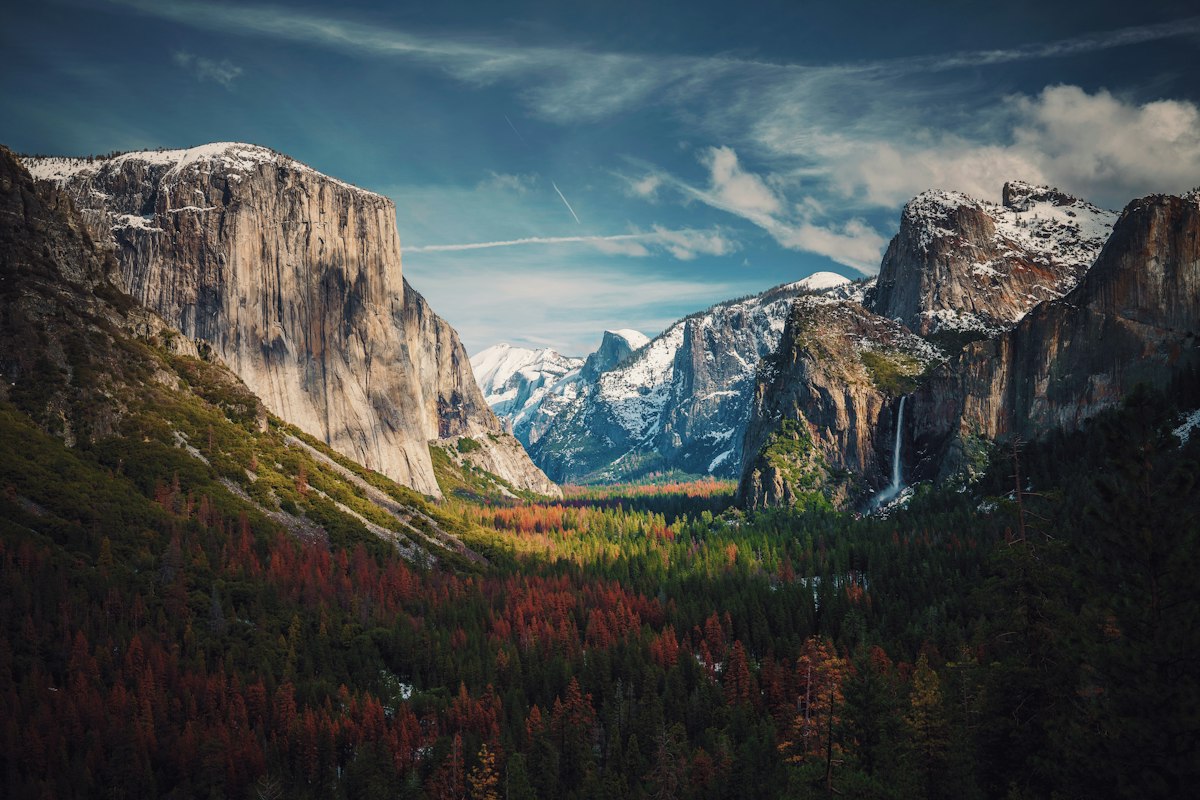
Oita Prefecture produces more hot spring water than any other prefecture in Japan — earning it the title of Japan's onsen capital. The coastal resort city of Beppu offers dramatic Jigoku hot spring hells and sand baths, while the highland valley of Yufuin provides serene boutique ryokan stays. Together they make Oita Japan's ultimate hot spring destination.
Top Attractions in Oita
🔥 Beppu 8 Jigoku Hells
¥2,200 comboEight dramatic hot spring pools — cobalt blue, blood red, and geyser hells. Combined pass covers all
🏖️ Sand Bath (Sunamushi)
¥1,500Buried neck-deep in geothermally heated beach sand — unique Beppu therapeutic experience
♨️ Yufuin Ryokan Onsen
From ¥15,000/personHighland valley boutique ryokan with private open-air baths and kaiseki dinner
🏔️ Kinrin-ko Lake
FreeMorning fog rising over Yufuin's lake with Mt. Yufu backdrop — Oita's most iconic landscape
🚂 Yufuin-no-Mori Train
¥4,770 + seat feeScenic vintage-style express from Fukuoka through mountain valleys to Yufuin (2h10, reservation required)
🍗 Toriten Chicken Tempura
From ¥600Oita's local specialty — large tempura chicken with ponzu, found in izakaya across Beppu
Stay in Beppu
Beppu is Japan's most affordable major onsen resort — budget options abound, from guesthouses with public baths to mid-range hotels near the Jigoku Hells. Beppu Station area has the most accommodation choice. The port location means seafood restaurants are plentiful. Best base for those wanting to visit multiple hells and public bathhouses on a budget.
Stay in Yufuin
Yufuin is Oita's premium onsen destination — boutique ryokan with private open-air baths, gallery shopping along Yufuin Floral Village, and morning fog over Kinrin-ko Lake. Book well in advance for autumn foliage (mid-November) and golden week. The Yufuin-no-Mori express train from Fukuoka is one of Japan's most scenic rail journeys.
Frequently Asked Questions
What are the Beppu 8 Hells (Jigoku Meguri)?
The Beppu Jigoku (別府地獄) are 8 spectacular hot spring pools — called "hells" because they are too hot and mineral-rich to bathe in, but visually dramatic. Each has a unique character: Umi Jigoku (Sea Hell) is cobalt blue at 98°C; Chi-no-ike Jigoku (Blood Pond Hell) is vivid red from iron oxide; Tatsumaki Jigoku (Waterspout Hell) is a geyser erupting every 20–40 minutes. A combined pass covers 8 hells for ¥2,200. The hells are grouped in two areas requiring a short bus ride between them. Allow 2–3 hours for all 8.
What is the difference between Beppu and Yufuin?
Beppu and Yufuin are Oita's two main onsen towns, 50 minutes apart by train (¥1,280). Beppu is Japan's largest hot spring resort — a busy port city with 8 Jigoku Hells, massive public bathhouses, and abundant budget accommodation. It's more urban and commercial. Yufuin (由布院) is a scenic highland valley surrounded by hills — boutique ryokan, art galleries, and a quieter atmosphere aimed at couples and design-conscious travelers. Yufuin is pricier but more atmospheric. Many visitors do both: Beppu hells by day, overnight in Yufuin.
How do I get to Beppu or Yufuin from Fukuoka?
The Sonic limited express from Hakata Station (Fukuoka) reaches Beppu in about 2h (¥5,450). The Yufuin-no-Mori scenic express (reservation required, ¥4,770 + seat fee ¥840) runs directly from Hakata to Yufuin in 2h10 through beautiful mountain scenery — one of Japan's most pleasant train journeys. From Oita city (the prefecture's capital), Beppu is 15 minutes by local train and Yufuin is 55 minutes. From Beppu to Yufuin: JR Kyudai Line, about 50 minutes (¥1,280).
What is sand bathing (Sunamushi onsen) in Beppu?
Sand bathing (sunamushi) at Beppu Beach Onsen (別府海浜砂湯) is a unique Beppu experience — attendants bury you up to your neck in naturally geothermally heated black sand on the beach, 40°C, for about 10–15 minutes. The heat penetrates deeply, relaxing muscles more intensely than water onsen. After, you shower and move to the conventional indoor bath. Cost: ¥1,500 including yukata rental. Located on the waterfront; bring a towel and change of clothes. Open year-round; closes in typhoon season storms.
What ryokan should I stay at in Yufuin?
Yufuin has some of Japan's finest boutique ryokan — many with private open-air baths (kashikiri rotenburo) and locally sourced kaiseki cuisine. The Yufuin Onsen area is compact; most high-end ryokan are a short walk or taxi from Yufuin Station. The Kinrin-ko Lake area in the center is most scenic — early morning fog rising over the lake with Mt. Yufu in the background is Yufuin's signature image. Book well in advance for weekends and autumn foliage season (November). Prices range from ¥15,000 to ¥80,000+ per person with two meals.
What is Oita famous for in terms of food?
Oita is famous for toriten — large tempura-battered chicken pieces, a Oita specialty eaten with ponzu dipping sauce. Also: fugu (puffer fish) from Bungo Suido strait — Oita is one of Japan's top fugu-producing regions (seasonal, autumn–spring); Bungo beef wagyu, the local premium cattle; Hita Yakisoba — stir-fried noodles from the inland city of Hita; and Yufuin milk products from local dairy farms — Yufuin's cream-filled pastries and fresh soft serve are popular souvenirs. Beppu has many jigoku-steamed dishes (jigokomushi) using hot spring steam.