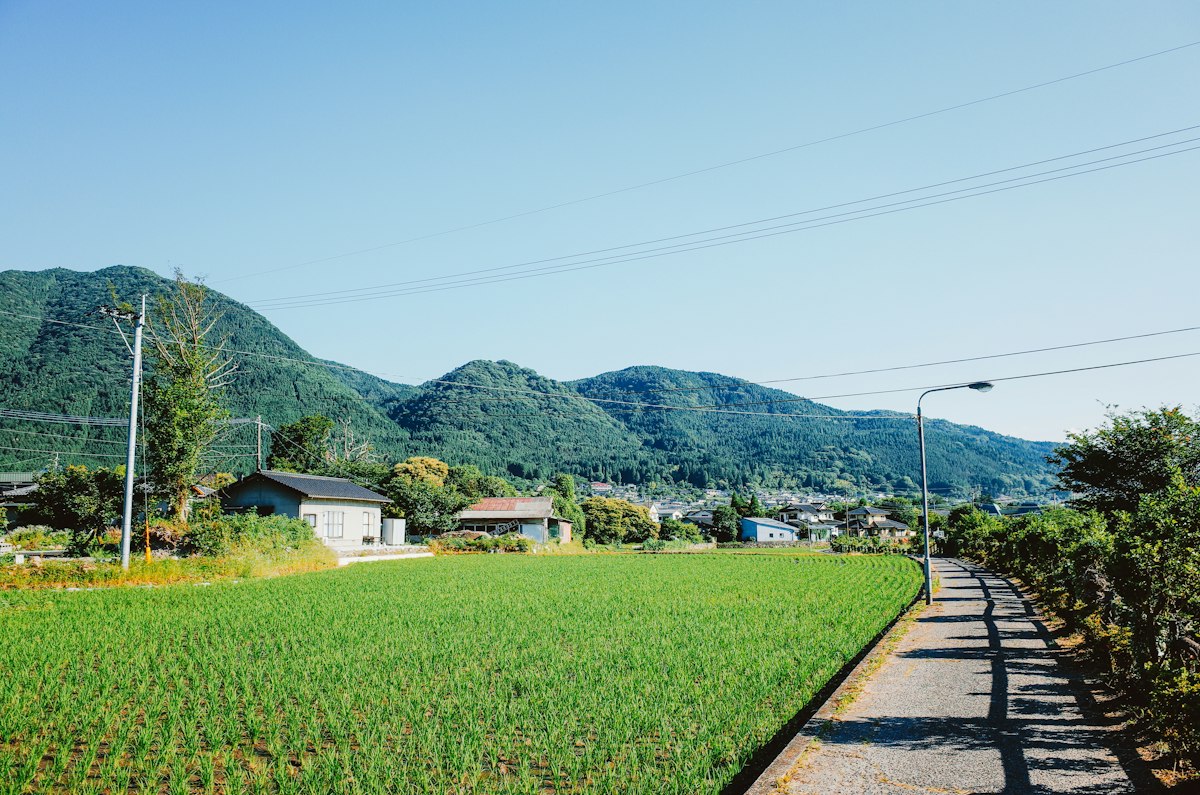
Shiga Travel Guide
Lake Biwa, National Treasure castles & ancient mountain temples
Shiga Prefecture wraps around Lake Biwa — Japan's largest lake and freshwater lifeline for 14 million people in the Kinki region. At its eastern shore stands Hikone Castle, one of only five castles in Japan designated a National Treasure, its white keep rising above 600 cherry trees and the elegant Genkyu-en garden. Above the western shore on Mt. Hiei, the UNESCO-listed Enryaku-ji complex has trained the founders of virtually every major Japanese Buddhist sect since the 8th century. Sandwiched between Kyoto and the lake, Shiga rewards visitors who venture just one stop beyond the tourist trail.
Top Attractions in Shiga
Hikone Castle — National Treasure
One of only five castles in Japan designated as a National Treasure, Hikone Castle has remained intact since its completion in 1622 and is one of the four original castles (tenshu) surviving from the Edo period. The three-story white keep sits above Lake Biwa on a granite hill, surrounded by cherry blossoms (600 trees) and the beautiful Genkyu-en garden — a restored daimyo garden with a teahouse and lake views.
💡 The 4km walk from JR Hikone Station takes 10 minutes. The Hikonyan mascot (white cat) appears at 10:00, 14:00, and 16:00 daily. Cherry blossom season (early April) is spectacular.
Lake Biwa (琵琶湖)
Japan's largest lake (670 km²) is not merely scenic — it's the freshwater source for 14 million people in the Kinki region. The west shore (Biwako Valley) has ski slopes; the east shore is known for Omi beef and castle towns. Biwako Terrace (Hira Mountain ropeway, 1,174m) offers aerial lake views, and the Lake Biwa Canal (built 1885–1890) carries water to Kyoto.
💡 The Shiga-Kyoto border at Mt. Hiei can be crossed on foot or by Eizan cable car. Sunset from Biwako Terrace in autumn is extraordinary.
Enryaku-ji Temple — UNESCO World Heritage
One of Japan's most important Buddhist complexes, founded in 788 CE by Saicho on the summit of Mt. Hiei (848m). The sprawling mountain-top temple is the headquarters of Tendai Buddhism and trained monks including Honen, Shinran, Dogen, and Nichiren — founders of most of Japan's Buddhist sects. The complex includes three areas (Todo, Saito, Yokawa) connected by forest paths and a cable car.
💡 Take the Eizan cable car from Sakamoto or the Keifuku Eizan Railway from Kyoto-Demachiyanagi. The temple is especially atmospheric in autumn (November) and after snowfall (January–February).
Omihachiman — Merchant Canal Town
One of Japan's best-preserved merchant town streetscapes: the Hachiman-bori canal, dug in the 16th century, runs through willows and traditional merchant houses (machiya) of the Omi merchants who once controlled Japan's trade networks. The William Merrell Vories Museum commemorates the American architect who designed hundreds of buildings in Meiji-Taisho Japan.
💡 Rent a boat on the canal for a different perspective. The Tsurugakuji Shrine lantern festivals are held in spring.
Miho Museum
One of Japan's finest small museums, designed by I.M. Pei (architect of the Louvre Pyramid) in the mountains south of Shigaraki. The museum is accessed via a tunnel through a hilltop then a suspension footbridge, revealing a glass-and-stone building half-buried in the mountainside. The permanent collection includes ancient Near East, Egypt, Greece, Rome, and Asia art.
💡 Access by shuttle bus from Kibukawa Station. Closed Mondays and in winter. The surrounding cedar and tea plantations (Shigaraki tea) are worth exploring.
Azuchi Castle Ruins & History Museum
The site of Oda Nobunaga's revolutionary 1576 castle — the first to use stone foundations and multi-story tower architecture — which burned in 1582 after Nobunaga's assassination. The stone foundations (National Historic Site) climb a forest-covered hilltop, and the adjacent museum displays reconstructions and artifacts. Azuchi is the birthplace of Azuchi-Momoyama period castle design that influenced Osaka Castle, Himeji Castle, and all subsequent Japanese castles.
💡 Azuchi is 10 minutes by train from Omi-Hachiman. The hilltop view of Lake Biwa from the castle ruins shows what Nobunaga saw every morning.
What to Eat in Shiga
Omi Beef (近江牛)
One of Japan's three great wagyu beef (with Kobe and Matsusaka), raised in Shiga for 400+ years; available as sukiyaki, shabu-shabu, or teppanyaki at Hikone restaurants.
📍 Hikone City teppanyaki restaurants; Omi beef specialty shops in Otsu
Funa-zushi (鮒ずし)
Japan's oldest sushi form: crucian carp (nigorobuna) preserved for 1–3 years in salt and rice, producing a pungent aged cheese-like flavor; an acquired taste and Shiga's cultural identity.
📍 Traditional restaurants in Omihachiman and Otsu; souvenir shops near Lake Biwa
Akane-no-Omi-Udon
Thick local udon noodles in dashi made from Biwa Lake freshwater clam (shijimi) broth — a distinctive local preparation that draws on the lake's unique produce.
📍 Udon restaurants in Hikone and Nagahama; local lunch spots near the lake
Baumkuchen
Shiga is unexpectedly famous for artisanal Baumkuchen (German layered cakes), with multiple specialist shops around the lake producing locally distinctive versions using Shiga milk and eggs.
📍 Clover, Omihachiman; La Collina Omihachiman (also famous for monaka sweets)
Taigodori (鯛ごどり)
Sea bass fishing from Lake Biwa; served as sashimi or grilled at lakeside restaurants near Otsu — a simple preparation showcasing the lake's freshwater catch.
📍 Lakeside restaurants in Otsu; fish markets along the western shore
Kamo-nabe
Duck hot pot using local Omi duck raised on Lake Biwa's shores; served at traditional restaurants in Omihachiman as a winter specialty alongside tofu and seasonal vegetables.
📍 Traditional restaurants in Omihachiman and Hikone; izakaya in Otsu
Where to Stay in Shiga
Hikone is the best base for the castle town and cherry blossom season — book well in advance as it sells out fast. Otsu offers lakeside city convenience with direct trains to Kyoto (10 minutes) and access to the western shore.
Hotels in Hikone
Castle town — cherry blossom season books out fast
Tours & Activities in Shiga
Book Lake Biwa cruises, Hikone Castle guided tours, Enryaku-ji temple morning meditation experiences, and Omihachiman canal boat rides.
Getting to Shiga
Shiga Travel FAQ
What is Shiga Prefecture known for?▾
Shiga is known for Lake Biwa (Japan's largest lake), Hikone Castle (one of only five National Treasure castles), Enryaku-ji Temple on Mt. Hiei (UNESCO World Heritage Site and the founding temple of Japanese Tendai Buddhism), and Omi beef — one of Japan's three great wagyu brands. Its proximity to Kyoto (under 1 hour by train) makes it a rewarding day trip or extension.
Is Hikone worth visiting from Kyoto?▾
Yes — Hikone Castle is one of Japan's top 10 castles, consistently ranking alongside Himeji and Matsumoto. The 50-minute JR train ride from Kyoto is straightforward, and the castle grounds including the Genkyu-en garden, lake views, and resident Hikonyan mascot make for a full half-day. Cherry blossom season (early April) is especially popular — book accommodation 3+ months ahead.
How do I get to Enryaku-ji Temple?▾
From Kyoto, take the Keifuku Eizan Railway from Demachiyanagi Station to Yase-Hieizanguchi, then the Eizan Cable Car and ropeway to the summit. From Shiga's Sakamoto side, take JR to Sakamoto-Hieizanguchi and then the Sakamoto Cable Car — the longest cable car in Japan. The Shiga approach is cheaper (¥870 round trip) and less crowded.
What is funa-zushi and should I try it?▾
Funa-zushi is Japan's oldest sushi: crucian carp (nigorobuna) is packed in salt for months, then fermented with cooked rice for 1–3 years. The result is intensely pungent — often compared to strong aged cheese. It is genuinely an acquired taste; order a small side serving at an Omihachiman or Otsu restaurant rather than committing to a full portion first.
Can I visit Lake Biwa as a day trip from Kyoto?▾
Yes — Hikone (50 min), Omihachiman (40 min), and Otsu (10 min) are all easily reachable from Kyoto by JR. A single day can cover Hikone Castle in the morning, lunch in Omihachiman, and a lakeside stroll in Otsu before returning. Mt. Hiei/Enryaku-ji can be combined with Otsu for a second day trip.
What is Miho Museum and how do I get there?▾
Miho Museum is a world-class art museum designed by I.M. Pei (Louvre Pyramid architect), built into a mountainside south of Shigaraki. The collection includes ancient Near East, Egyptian, Greek, Roman, and Asian art. Access is by shuttle bus from Kibukawa Station (Kintetsu Osaka Line, 25 min from Tsuruhashi / Osaka). The museum is closed Mondays and from mid-December to mid-March.